Description
Hard-Numbers: Technical Specifications
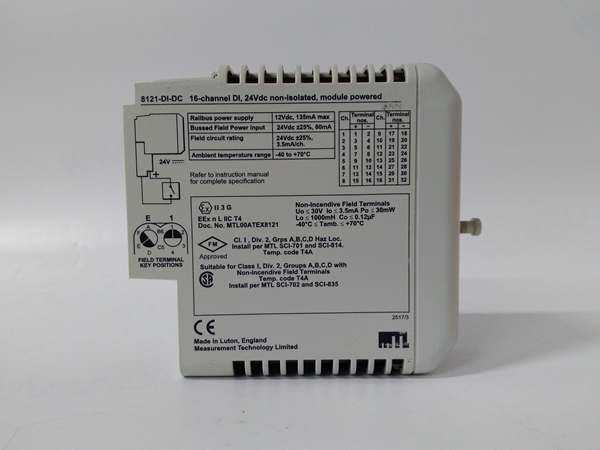
- Input Voltage Range: 0-30VDC (nominal 24VDC)
- Input Type: Sinking (NPN) / Sourcing (PNP) compatible
- Input Current per Point: 6-8mA typical at 24VDC
- Input Response Time: 1-5ms (ON), 1-10ms (OFF) depending on load
- Isolation Rating: 1500Vrms channel-to-channel, 1500Vrms channel-to-backplane
- Port Count: 16 discrete inputs (2 groups of 8)
- Terminal Block: Removable 20-pin connector
- Operating Temperature: -40°C to +70°C (-40°F to +158°F)
- Power Draw: 250mA typical from backplane @ 5VDC
- Protocol Support: Native backplane communication (Proprietary GE VME bus)
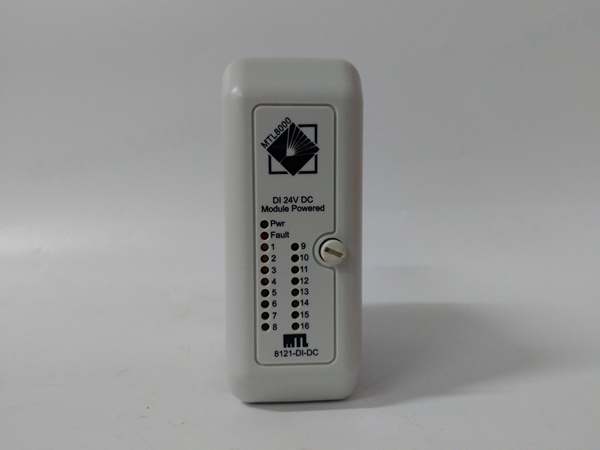
- LED Indicators: Individual status LEDs for all 16 channels + module health LED

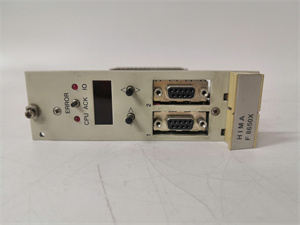
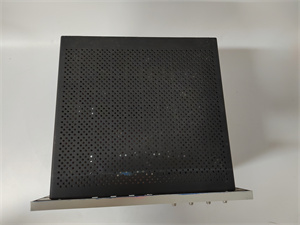
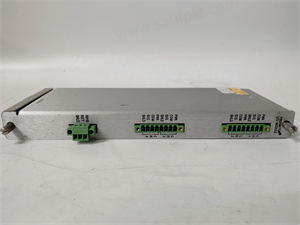
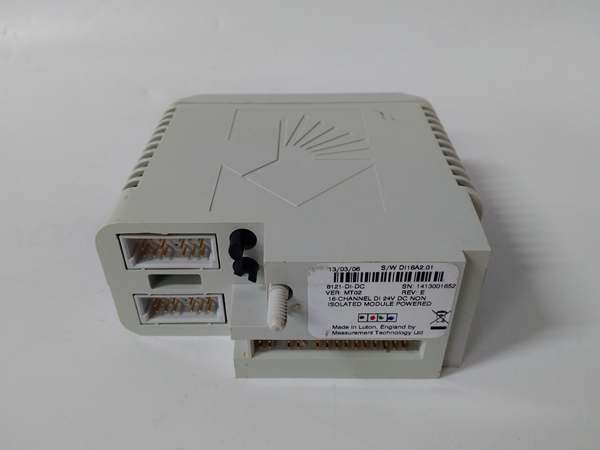
GE 8121-DI-DC
The Real-World Problem It Solves
This module takes raw 24VDC signals from field devices and converts them into logic levels the PLC can process without frying the backplane. Its optical isolation 终止s ground loops and voltage spikes from cascading through your control system when a field device shorts or wiring insulation fails.
Where you’ll typically find it:
- Conveyor systems monitoring proximity sensors and photoelectric eyes
- Hydraulic valve banks with limit switches signaling cylinder position
- Emergency 终止 circuits requiring redundant input channels for safety monitoring
Bottom line: It’s your frontline defense between dirty field voltage and sensitive control logic.
Hardware Architecture & Under-the-Hood Logic
This module sits on the RX3i VME backplane as an I/O node with its own onboard microcontroller handling signal conditioning and backplane communication. The 16 inputs split into two isolated groups of 8 points, each group protected by individual optocouplers to prevent one shorted channel from taking down the entire block.
Signal flow breakdown:
- Field voltage (24VDC) hits the terminal block and passes through input filtering circuitry (RC network for noise suppression)
- Optical isolation fires when voltage exceeds threshold, creating a galvanic barrier between field and backplane
- Onboard logic checks the isolated signal against voltage thresholds (typically >15VDC = ON, <5VDC = OFF)
- Microcontroller timestamps and formats the state change for transmission over the backplane
- LED driver updates the channel indicator instantly, giving you visual confirmation before the PLC even processes the data
GE 8121-DI-DC
Field Service Pitfalls: What Rookies Get Wrong
Mixed sourcing/sinking wiring on the same groupYoung engineers often wire PNP sensors and NPN switches to the same 8-point group without realizing they share a common return. This creates sneak paths that make inputs float or chatter uncontrollably.
- Field Rule: Verify all devices on a group share the same output type. If you must mix them, use separate groups or external interposing relays.
Ignoring the ground loop problemGrounding the shield wire at both the field device and the cabinet is the number one cause of phantom “ON” signals on floating inputs. Voltage differentials between grounds confuse the optocouplers.
- Quick Fix: Ground shields at the cabinet end only, and use isolated barrier strips for field devices in wet environments.
Hot-swapping without proper power-down sequenceThe RX3i supports hot-swap in theory, but in practice, pulling this module while a 24VDC field device is actively driving the input can backfeed voltage through the protection diodes and damage the optocouplers.
- Field Rule: Kill field power to the terminal block first, then remove the module. If you absolutely must hot-swap, verify no inputs are actively energized using a non-contact voltage sensor.
Please note: The listed price is for reference only and is not binding. Final pricing and terms are subject to negotiation based on current market conditions and availability.