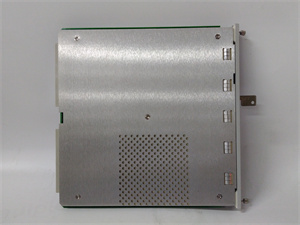
Description
Hard-Numbers: Technical Specifications
- Temperature Range: 0°C to 300°C (32°F to 572°F)
- Setpoint Accuracy: ±2% of full scale
- Deadband: 5-10% of setpoint (adjustable)
- Switch Type: SPDT form C contact
- Contact Rating: 10 A @ 250 VAC resistive; 5 A @ 125 VDC
- Sensing Element: Bi-metallic strip or bulb (depending on configuration)
- Process Connection: 1/2″ NPT thermowell (thermowell sold separately)
- Wetted Material: 316 Stainless Steel (bulb) or Brass (housing)
- Enclosure Rating: NEMA 4X (IP66) polycarbonate
- Operating Temperature: -20°C to 70°C (-4°F to 158°F) for housing
- Maximum Process Pressure: 3000 psig (207 bar) at 100°F
- Adjustment Type: External dial with fine-tuning screw
- Weight: 2.8 lbs (1.3 kg)
- Certifications: UL, CSA, CE, ATEX
The Real-World Problem It Solves
Overheating damages equipment and creates safety hazards. The 151X1225EK01PC04 monitors process temperature, triggering alarms and shutdowns before catastrophic failure occurs.
Where you’ll typically find it:
- Electric motor and pump bearing temperature monitoring
- Heat exchanger outlet temperature control
- Steam trap and boiler protection
Bottom line: Mechanical temperature switch provides reliable temperature monitoring without external power.
Hardware Architecture & Under-the-Hood Logic
This switch uses a bi-metallic sensing element that responds to temperature changes. The bi-metallic strip consists of two metals with different coefficients of thermal expansion bonded together. As temperature changes, the strip bends proportionally. This deflection is transferred via linkage mechanism to the snap-action switch. When temperature exceeds setpoint, the mechanism trips the SPDT contacts. Deadband adjustment determines temperature required to reset contacts.
Signal flow:
- Process heat transfers to sensing element (bi-metallic strip or bulb)
- Bi-metallic strip bends as temperature changes
- Strip movement transmitted through linkage to switch mechanism
- Spring force resists movement until setpoint temperature reached
- Snap-action mechanism trips when temperature overcomes spring force
- SPDT contacts change state (common to normally open or normally closed)
- Deadband adjustment determines reset temperature point
- Details: Contacts provide discrete signal to control system or directly to load
Field Service Pitfalls: What Rookies Get Wrong
Direct immersion in corrosive fluids causes rapid corrosionThe sensing element needs protection from process fluid. I’ve seen technicians immerse brass housings in acidic fluids, destroying the switch within weeks.
- Field Rule: Always use a thermowell for corrosive or high-velocity fluids. Verify wetted materials (316 SS for bulb, brass for housing) are compatible with process. Check chemical compatibility charts. For aggressive chemicals, specify all stainless steel construction. Document expected fluid conditions and replacement intervals.
Incorrect thermowell insertion depth causes measurement errorThe bulb must be fully immersed in the fluid. I’ve seen technicians use short thermowells, causing the sensor to read pipe wall temperature instead of fluid temperature, resulting in errors up to 30°F.
- Field Rule: Ensure thermowell insertion depth is at least 1.5 times pipe diameter or until bulb is fully immersed. For small pipes (<2″), install the thermowell at a 45° angle to increase immersion depth. Use thermal paste between bulb and thermowell for better heat transfer. Verify insertion depth during commissioning and document.
Improper mounting causes thermal lagMounting location affects response time. I’ve seen switches installed downstream of long dead legs, causing delayed response and overheating damage.
- Field Rule: Install in the process flow path where temperature is representative. Avoid dead legs, bypass lines, or locations with poor circulation. Mount as close as possible to the equipment being monitored. Consider flow rate—low flow reduces heat transfer to the sensing element. Test response time during commissioning by rapidly changing process temperature and monitoring switch actuation.
Deadband too small causes rapid cyclingDeadband set too small causes contact chatter. I’ve seen rapid cycling destroy contacts and cause nuisance alarms.
- Field Rule: Set deadband to minimum 5-10% of setpoint. Test operation by slowly varying temperature—contacts should change state cleanly without bouncing. Monitor contact operation with an indicator lamp. For processes with rapid temperature fluctuations, consider adding a small time delay (2-5 seconds) in your PLC logic to prevent nuisance trips.
Ignoring thermal expansion of mounting hardwareThermal expansion causes mechanical stress. I’ve seen technicians mount switches rigidly without thermal expansion loops, causing thermowell binding and mounting hardware damage.
- Field Rule: Allow for thermal expansion in mounting arrangement. Use flexible tubing for capillary versions. For direct immersion, ensure the switch housing is mounted with slight play. Never over-tighten thermowell into process connection. Check for binding after temperature cycling during commissioning.
Forgotten to test operation during commissioningNew switches are rarely verified. I’ve found switches shipped with setpoints at factory defaults (typically 100°F), not application values.
- Field Rule: Test switch operation using a calibrated temperature source (calibrator or ice bath). Gradually increase temperature until contacts trip—record this value. Decrease temperature and record reset point. Adjust setpoint and deadband as needed. Document final values in your commissioning report. Re-test annually or per plant maintenance schedule.
Commercial Availability & Pricing Note
Please note: The listed price is for reference only and is not binding. Final pricing and terms are repeated subject to negotiation based on current market conditions and availability.