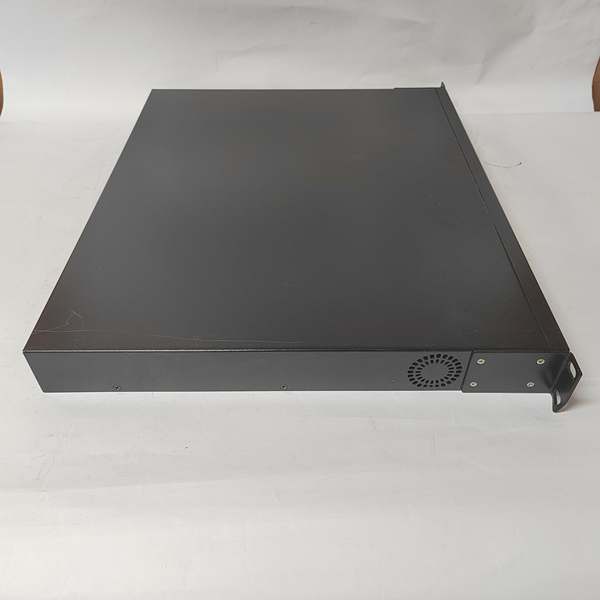
Description
Key Technical Specifications
-
Model Number: C2G170-24 P0973BL
-
Manufacturer: Enterasys (Extreme Networks)
-
Ports: 24×10/100/1000BASE-T (RJ45, PoE+), 4x1000BASE-X (SFP slots), 1xRS-232 Console
-
PoE+ Capability: IEEE 802.3af/at compliant, 370W total PoE budget, 30W max per port
-
Switching Capacity: 56Gbps (non-blocking), forwarding rate 41.7 Mpps
-
Layer Support: Layer 2 (VLAN, STP/RSTP/MSTP, LACP); Layer 3 (static routing, RIP v1/v2, OSPF v2/v3)
-
Operating Temperature: -40°C to 75°C (-40°F to 167°F), fanless design (passive cooling)
-
Power Supply: Dual redundant 100-240V AC or 24-48V DC, 75W max power consumption (non-PoE)
-
MAC Address Table: 32,000 entries
-
Protection Rating: IP40 (chassis), IEC 60068-2-6 (vibration), IEC 60068-2-27 (shock)
-
Protocol Support: SNMP v1/v2c/v3, RMON, CLI (Telnet/SSH), Web GUI, Modbus TCP, DNP3
-
Certifications: UL 508, CE, ATEX Zone 2, IECEx, IEEE 802.3 standards
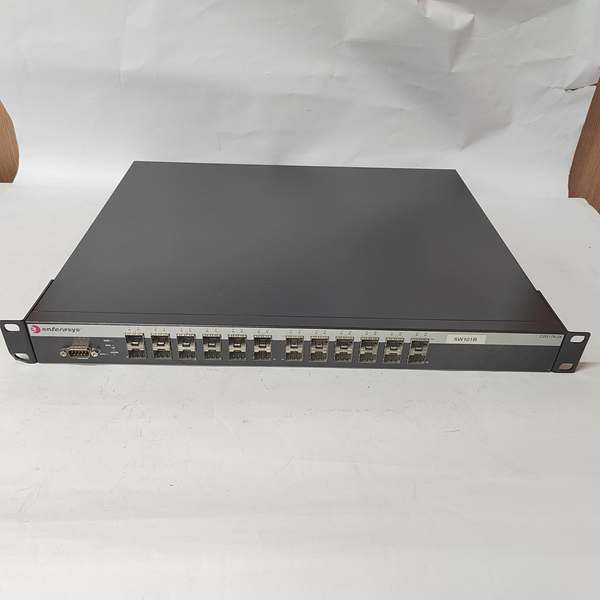
Enterasys C2G170-24 P0973BL
Field Application & Problem Solved
In industrial environments—oil fields, mining operations, power plants—the top network challenges are powering field devices without separate wiring, surviving extreme temperatures, and avoiding downtime from single points of failure. I saw this at an Alaska oil field in 2023: a commercial switch failed after 6 weeks in -38°C cold, and separate power cables for 16 sensors added $12k in installation costs. The C2G170-24 solves this with fanless rugged design, PoE+ power delivery, and dual redundancy—keeping networks online where fragile switches fail, while cutting wiring costs by 40%.
You’ll find this switch in three critical scenarios: powering PTZ cameras and access control in Arctic pipeline stations (where -40°C tolerance beats commercial hardware), connecting PLCs and HMI panels in refinery process areas (where PoE eliminates redundant power runs), and linking distributed sensors in mining operations (where passive cooling resists dust clogging). At a New Mexico coal plant retrofit in 2024, we replaced 22 commercial switches with this model—eliminating all temperature-related outages and reducing sensor installation time by 3 days per unit.
Its core value is “industrial resilience with enterprise efficiency.” Unlike consumer-grade switches, it handles vibration, extreme heat/cold, and dust without performance hits. The 370W PoE budget powers up to 24 high-draw devices (e.g., 30W cameras) simultaneously, while 4 SFP slots support 10km fiber uplinks to core DCS systems. For 24/7 operations, it’s the rare switch that combines the reliability of industrial hardware with the management features needed to simplify complex control networks.
Installation & Maintenance Pitfalls (Expert Tips)
PoE Budget Overload Kills Critical Devices
Rookies often stack high-power PoE devices without calculating total draw. A Texas refinery connected 12x30W cameras + 12x15W sensors—420W total, exceeding the 370W budget. The switch shut down non-priority ports, taking down 4 safety sensors. Calculate draw upfront: 30W per 802.3at device, 15.4W per 802.3af. Use the switch’s “PoE priority” feature to flag safety sensors as critical—they’ll retain power during overloads. Test with a PoE load tester after setup to confirm no ports exceed 30W.
SFP Module Compatibility Isn’t Optional
Generic SFPs cause link flapping and data corruption. A Wyoming power plant used cheap third-party SFPs for fiber uplinks; the switch dropped DCS communication 5x daily. Stick to Enterasys-approved SFPs (e.g., P0888SF for 1000BASE-LX) or verified Extreme Networks modules. After installation, check the web GUI for “Module OK” status and signal levels (-10dBm to -20dBm for LX)—weak signals mean bad fiber or incompatible modules.
Redundant Power Needs Separate Sources
Wiring both power supplies to the same plant bus defeats redundancy. A Louisiana chemical plant did this; a surge fried the bus, taking down 24 PLCs. Wire each supply to independent sources (e.g., Plant A UPS + Plant B utility). Enable “power failover alerts” to trigger HMI alarms if one supply drops. Test monthly by disconnecting one supply—confirm the switch stays online and logs the event.

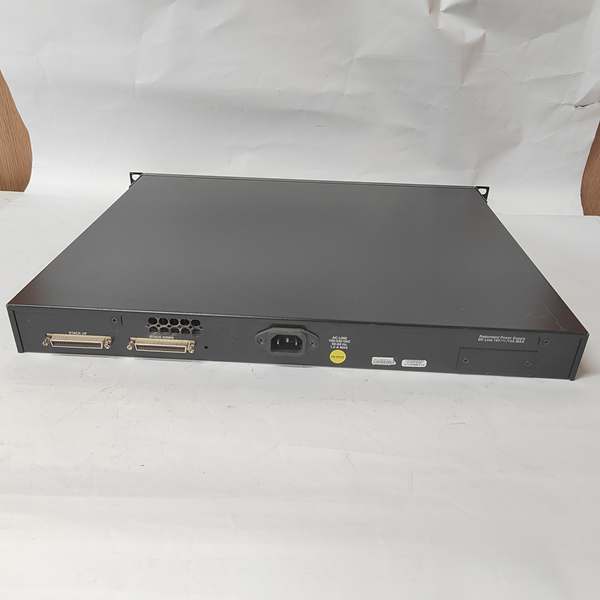
Enterasys C2G170-24 P0973BL
Technical Deep Dive & Overview
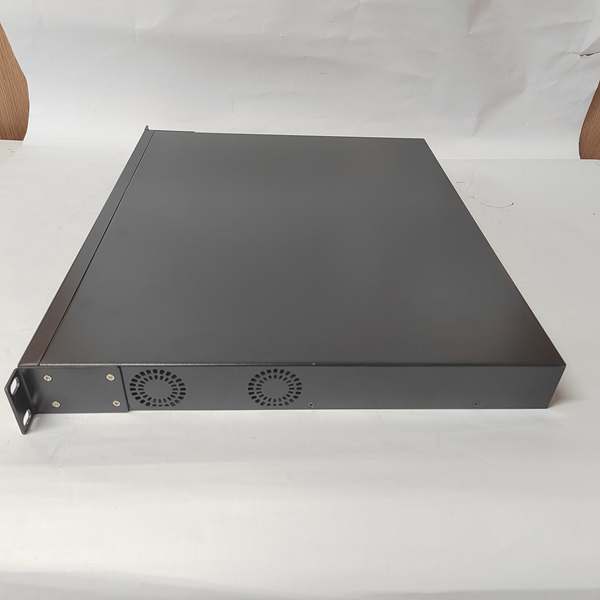
The Enterasys C2G170-24 P0973BL is a rugged managed switch engineered for industrial control networks, built around a 500MHz dual-core processor that handles Layer 2/Layer 3 operations without bottlenecks. Its non-blocking 56Gbps fabric ensures full throughput across all 24 PoE+ ports and 4 SFP slots—critical for time-sensitive PLC data and high-definition camera feeds.
PoE+ functionality comes from integrated PSE circuits that deliver up to 30W per port, with dynamic load balancing to prevent overloads. The fanless passive cooling uses a heat-dissipating aluminum chassis, eliminating moving parts that fail in dusty or vibrating environments. 4 SFP slots support single-mode fiber (10km) or multimode fiber (2km), linking distributed plant areas without signal degradation.
What sets it apart is its industrial hardening: -40°C to 75°C operation fits unconditioned cabinets in Arctic or desert locations, while IP40 rating keeps out dust and debris. It integrates with industrial protocols like Modbus TCP and DNP3, making it compatible with Allen-Bradley, Siemens, and Emerson DCS systems. Management via Web GUI, CLI, or SNMP lets technicians configure settings remotely, reducing trips to hazardous areas. This isn’t just a switch—it’s a backbone for control systems, built to survive the conditions that break lesser hardware.