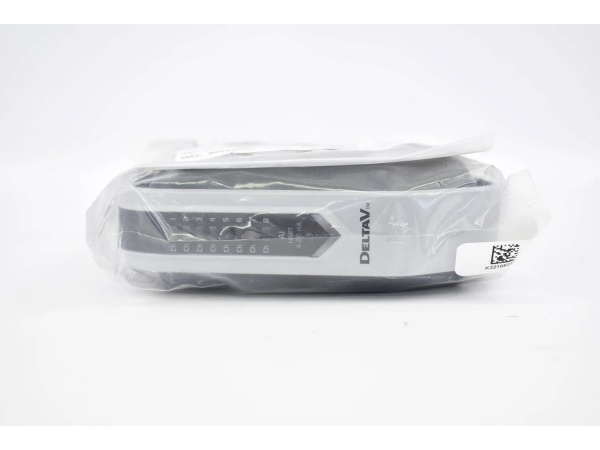
Description
Hard-Numbers: Technical Specifications
- Protocol Support: 4-20mA DC (1-23mA range), HART (Bell 202 FSK, 1200 bps)
- Port Count: 16 independent channels
- Accuracy: ±0.25% FS (-40°C to +60°C), ±0.4% FS (+60°C to +70°C)
- Resolution: 14-bit
- Isolation Rating: 1500 VDC channel-to-system optical isolation
- Power Draw: 2.5W typical (24 VDC backplane power)
- Operating Temperature: -40°C to +70°C
- Storage Temperature: -40°C to +85°C
- Relative Humidity: 5% to 95% non-condensing
- Terminal Block: 48-pin AO Mass Terminal Block (P+F HiD/HiC compatible)
- Certifications: CE, UL, CSA, ATEX, IECEx
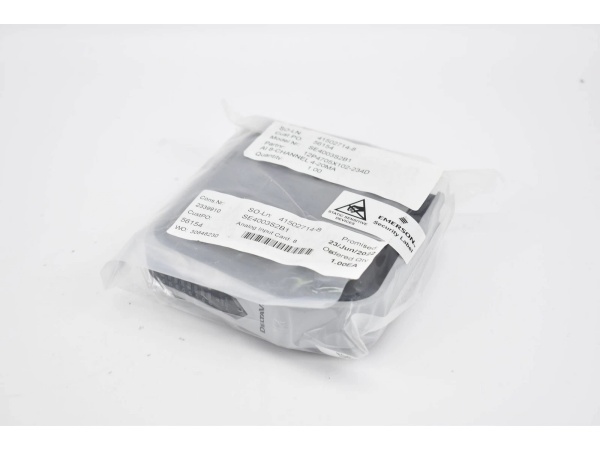
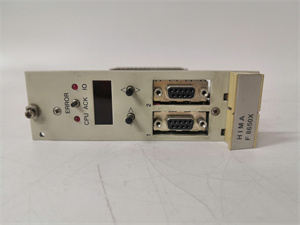
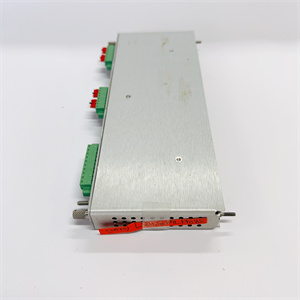
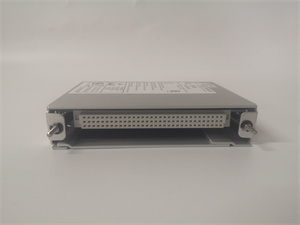
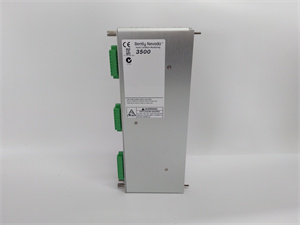
Emerson SE4003S2B1
The Real-World Problem It Solves
In process control, single-point failure on analog output cards means loss of valve control—process disruption, safety trips, production downtime. The SE4035S2B5 eliminates this with 1:1 redundancy: if the primary card fails, the secondary takes over in under 5ms without signal interruption. HART support lets you pull diagnostics and reconfigure field devices from the control room.
Where you’ll typically find it:
- Refineries controlling pressure control valves on distillation columns
- Chemical plants regulating flow rates in batch reactors
- Power plants modulating fuel valves on turbine generators
- Water treatment adjusting chemical dosing pump speeds
Bottom line: It keeps your process running when hardware fails.
Hardware Architecture & Under-the-Hood Logic
This card sits on the DeltaV backplane and communicates with the controller via the local bus. Each channel has independent digital-to-analog conversion and HART modem circuitry. The redundant pair communicates over a dedicated link to synchronize outputs and monitor health.
- The controller writes output values to both primary and secondary cards simultaneously via the backplane.
- Both cards convert digital values to 4-20mA signals and monitor each other’s health through a heartbeat signal.
- If the primary detects a fault (power loss, hardware failure, communication timeout), it transfers control to the secondary in under 5ms.
- HART signals are superimposed on the 4-20mA waveform using FSK modulation, allowing bidirectional digital communication with field devices.
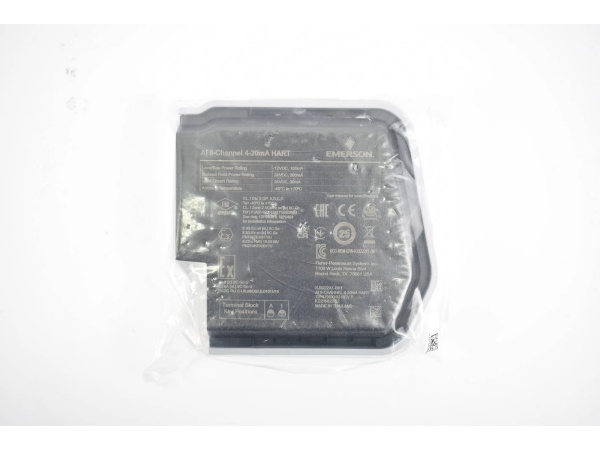
Emerson SE4003S2B1
Field Service Pitfalls: What Rookies Get Wrong
Mismatched Firmware Between Redundant PairNew engineers swap in a replacement card without checking firmware revision. The redundant pair runs different firmware versions, causing failover failures or intermittent faults.
- Field Rule: Match firmware revisions on both cards before installing. Upgrade if necessary using DeltaV Explorer.
Improper Terminal Block KeyingThe 48-pin terminal block has physical keying to prevent incorrect insertion. Rookies force the block into the wrong position, damaging pins or causing miswiring.
- Quick Fix: Verify the key position aligns with the card’s keyed slot. Don’t force it—if it doesn’t slide in easily, check the alignment.
Missing HART Resistor or Incorrect WiringHART requires a minimum 250Ω load resistor to communicate. Technicians wire the loop directly to the device without the resistor, losing HART diagnostics.
- Field Rule: Ensure each loop has 250Ω total resistance. Many terminal blocks integrate this resistor—don’t bypass it.
Hot-Swapping Without Disabling HART PollingReplacing a live card while HART polling is active can cause communication conflicts and device errors.
- Quick Fix: Disable HART polling for the card in DeltaV Explorer before hot-swapping. Re-enable after replacement.
Please note: The listed price is for reference only and is not binding. Final pricing and terms are subject to negotiation based on current market conditions and availability.