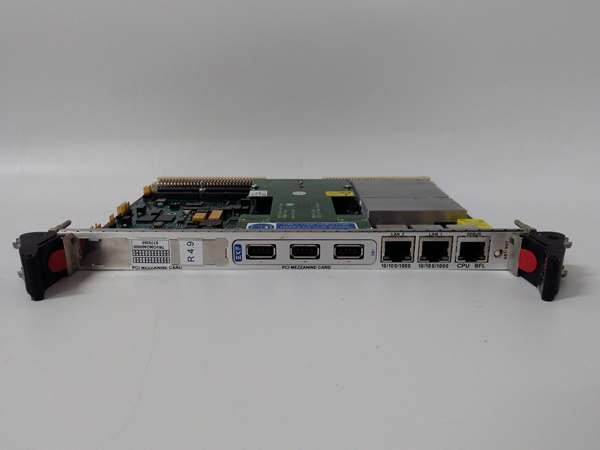


Description
Key Technical Specifications
-
Model Number: MVME6100
-
Manufacturer: Emerson Automation Solutions
-
Processor: IBM PowerPC 750FX (733MHz or 800MHz)
-
Memory: 512MB to 2GB DDR SDRAM (ECC optional)
-
Storage: 256MB Flash memory; 2.5” IDE HDD/SSD support
-
Bus Interface: VME32 (32-bit, up to 40MB/s throughput); VME64 compatible
-
I/O Ports: 1x Fast Ethernet (10/100Mbps), 2x USB 1.1, 2x RS-232/422/485, 1x VGA
-
Operating Temperature: -20°C to 60°C (-4°F to 140°F)
-
Power Consumption: 8W typical, 15W maximum
-
Environmental Rating: 10-90% RH (non-condensing); 10g shock (11ms); 1g vibration (10-2000Hz)
-
Software Support: VxWorks 6.x, Linux 2.6, Emerson DeltaV Lite O/S
-
Mounting: VMEbus rack-mount (3U form factor)
-
Manufacturer: Emerson Automation Solutions
-
Processor: Freescale PowerPC G4 (1.0GHz or 1.2GHz)
-
Memory: 2GB to 8GB DDR2 SDRAM (ECC protected)
-
Storage: 512MB Flash memory; 2.5” SATA HDD/SSD support
-
Bus Interface: VME64x (32/64-bit, up to 160MB/s throughput)
-
I/O Ports: 2x Gigabit Ethernet, 4x USB 2.0, 2x RS-232/422/485, 1x VGA
-
Operating Temperature: -40°C to 70°C (-40°F to 158°F)
-
Power Consumption: 15W typical, 25W maximum
-
Environmental Rating: 5-95% RH (non-condensing); 15g shock (11ms); 2g vibration (10-2000Hz)
-
Software Support: VxWorks, Linux, Emerson DeltaV O/S
-
Mounting: VMEbus rack-mount (6U form factor)

EMERSON MVME6100
Field Application & Problem Solved
In small to mid-sized plants—think regional water treatment facilities or specialty chemical units—budget constraints often mean running obsolete SBCs long past their prime. I was called to a Minnesota ethanol plant in 2023 where a 2005-era VMEbus SBC failed, halting their distillation process for 6 hours. The plant couldn’t justify the cost of a high-end MVME7100, but they needed a reliable replacement that fit their existing 3U VME rack. The MVME6100 solves this gap: it’s an entry-level SBC that matches legacy VME32 compatibility, runs the same control software, and costs 40% less than premium models—perfect for applications that don’t need gigabit speeds or extreme memory.
You’ll find this SBC in low-to-medium complexity control systems: wastewater treatment plant pump controls, food processing line temperature monitors, and small refinery auxiliary systems (like tank level gauging). At a New Mexico natural gas processing plant, we replaced four aging SBCs with MVME6100s to run their pressure relief valve logic. The 800MHz PowerPC handled the 50+ control loops easily, and the optional ECC memory fixed the “random” data glitches that had plagued their old boards. Unlike generic off-the-shelf SBCs, it’s certified for Emerson’s DeltaV Lite, so we didn’t have to rewrite their existing ladder logic—critical for a plant with no in-house software team.
Its core value is “cost-effective reliability.” Plants with basic control needs don’t benefit from the MVME7100’s gigabit Ethernet or 8GB RAM—they just need a board that won’t fail and fits their budget. The MVME6100’s VME32 interface slides right into 3U racks, and its PowerPC 750FX processor is optimized for the real-time tasks these plants run: simple PID loops, I/O data scanning, and basic HMI displays. For maintenance teams, it’s a “set-it-and-forget-it” solution—no complex configuration, just load the legacy software and resume operations. It’s not built for extreme environments or high-throughput data, but it’s perfect for the 80% of industrial applications that need solid performance without the premium price tag.
Installation & Maintenance Pitfalls (Expert Tips)
ECC Memory: Don’t Skip It for Critical Loops
Rookies opt for non-ECC RAM to save $50, leading to catastrophic control failures. A Kansas grain processing plant did this— their MVME6100 crashed twice in a month, causing grain silo overfills. The plant’s electrical system had minor voltage fluctuations that corrupted non-ECC memory. ECC RAM is optional on the MVME6100, but it’s mandatory for any application with safety implications (e.g., pressure control, emergency shutdowns). Even for non-safety loops, ECC prevents “mystery” crashes that take hours to diagnose. When ordering, specify the -ECC suffix (e.g., MVME6100-0200-ECC) — the small upcharge beats the cost of a single unplanned shutdown.
IDE Drive Compatibility: Avoid Modern SSDs Without Adapters
The MVME6100 uses an IDE interface, not SATA—rookies plug in a modern SATA SSD and wonder why it won’t boot. A Vermont water treatment plant wasted two days troubleshooting this. If you want solid-state storage (and you should—IDE HDDs are obsolete), use an IDE-to-SATA adapter card designed for industrial use (avoid consumer adapters, which fail in harsh temperatures). Alternatively, use the board’s flash memory for the OS and a small IDE SSD (16-32GB) for data logging. Format the drive with FAT32, not NTFS—older VxWorks versions don’t support NTFS, and you’ll get a “no boot device” error.
Bus Speed: Don’t Force VME64 Speeds on a VME32 Rack
The MVME6100 is VME64 compatible, but it can’t run 64-bit speeds on a legacy VME32 rack. A Texas oilfield service company made this mistake— they configured the SBC for 64-bit/66MHz, causing the entire VME bus to lock up. Check your rack’s backplane: VME32 racks have 96 pins per slot, VME64 have 160. If it’s VME32, set the SBC’s bus jumpers to 32-bit/33MHz (the default, but always verify). Use a VMEbus tester to confirm throughput—you’ll get ~40MB/s on VME32, which is more than enough for most MVME6100 applications. Forcing higher speeds doesn’t improve performance; it just causes bus collisions and system crashes.
EMERSON MVME6100
Technical Deep Dive & Overview
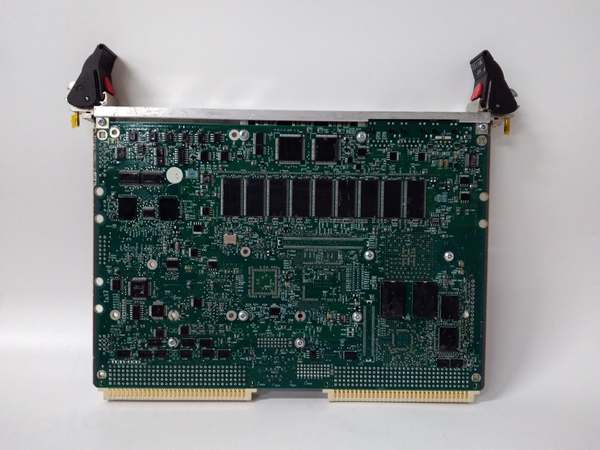
The MVME6100 is Emerson’s “workhorse for the everyday”—a stripped-down, reliable SBC built for the most common industrial control tasks. At its core is the IBM PowerPC 750FX, a processor with a proven track record in embedded systems—slower than the MVME7100’s G4, but more than capable of handling 100+ basic control loops or I/O data scanning. Unlike the MVME7100, it uses DDR (not DDR2) RAM and a VME32 bus, which cuts cost while maintaining compatibility with the legacy racks it’s designed to replace.
Its design prioritizes simplicity and cost. The 3U form factor fits in smaller VME racks common in auxiliary systems, and the reduced I/O (one Fast Ethernet port vs. two gigabit on the MVME7100) aligns with its entry-level role. The IDE storage interface is a nod to legacy compatibility—many plants still have spare IDE drives, and the adapter support lets them migrate to SSDs without replacing the SBC. The optional ECC memory is a critical upgrade path for plants that need safety compliance without the premium price, and the industrial-grade components (conformal coating, extended temp rating) ensure it outlasts consumer SBCs by 5-7 years.
What makes it indispensable is its “no-surprises” integration. It runs the same VxWorks and Linux versions as older Emerson SBCs, so software teams don’t need new training. It communicates with legacy VME I/O modules (like analog input cards or relay outputs) without configuration hacks, and it integrates with Emerson’s AMS Device Manager for basic health monitoring—CPU load, memory usage, and drive status. It’s not flashy, but it does exactly what small plants need: replaces obsolete hardware, keeps processes running, and doesn’t break the bank. In a world of over-engineered solutions, the MVME6100 is a reminder that sometimes “good enough” is perfect—when it’s reliable and affordable.