
Description
Component Snapshot At-a-Glance
- Model: KJ3244X1-BA1
- Alt. P/N: 12P2843X052
- Product Series: DeltaV Series 2 (S-Series) I/O System
- Hardware Type: DeviceNet Master Communication Module
- Key Feature: Onboard 12VDC field bus power supply with overcurrent foldback protection
- Primary Field Use: Links DeltaV controllers to DeviceNet slave drives, remote I/O, and motor starters across process control racks
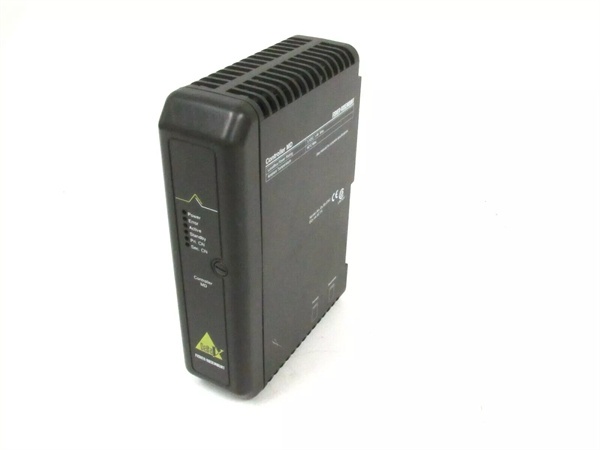
Emerson KJ2003X1-BA2
Hard-Numbers: Technical Specifications
- Protocol Support: DeviceNet (CAN 2.0B compliant, master only)
- Port Count: Single 5-pin terminal block fieldbus port
- Baud/Data Rate: Selectable 125k/250k/500kbps bus speeds via DCS software
- Max Node Capacity: 63 addressable slave devices per single card channel
- Onboard Bus Output: 12VDC @ 600mA continuous for field trunk wiring
- Operating Temperature: -20°C to +60°C ambient cabinet rating
- Isolation Rating: 1500VAC dielectric isolation between backplane and field bus circuit
- Power Draw: 2.8W nominal from DeltaV I/O backplane 5V/3.3V rails
- Hot-Swap Rating: Live rack insertion allowed without full rack de-energization
- Certification: Class I Div 2, UL/CSA listed for hazardous cabinet installation
The Real-World Problem It Solves
Traditional hardwired discrete wiring racks balloon in size when connecting dozens of VFDs and MCC devices, adding hundreds of termination points prone to loose terminals and intermittent faults. Early third-party DeviceNet gateways lacked backplane isolation, letting field short circuits crash entire DeltaV controller racks.
Where you’ll typically find it:
- Refinery hydrotreater MCC control cabinets running banked compressor and pump VFDs
- Coal-fired boiler FD/ID fan control racks tied to DeviceNet soft starters
- Pulp mill digester feed motor control skids with distributed remote DeviceNet I/O
It cuts field wiring volume while containing field-side electrical faults from propagating into DeltaV’s core backplane circuitry.
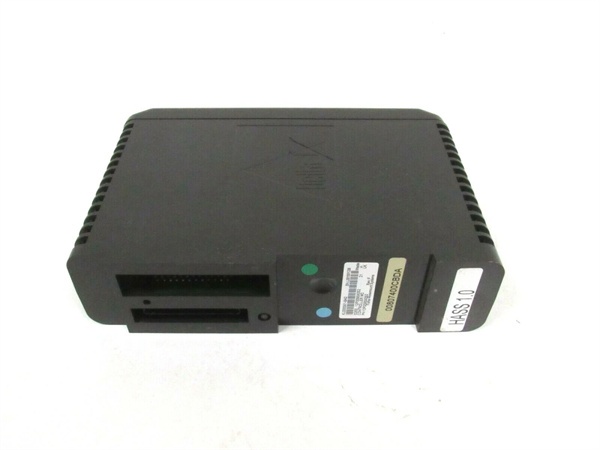
Emerson KJ2003X1-BA2
Hardware Architecture & Under-the-Hood Logic
This is microprocessor-controlled master card with isolated CAN transceiver and dedicated onboard DC-DC bus supply; it does not share field power with DeltaV’s main I/O rails.
- Backplane connector pulls regulated logic power and DCS communication data from DeltaV’s local bus.
- Onboard MCU reads configured baud rate and node mapping stored in nonvolatile flash memory.
- Isolated CAN transceiver translates internal parallel data to differential DeviceNet bus signals for field wiring.
- Independent DC-DC converter generates regulated 12VDC to feed trunk cable; folds back output current above 620mA to avoid card burnout.
- Fault detection circuit flags bus short, overcurrent or duplicate node addresses and sends diagnostic codes back to DeltaV controller.
Field Service Pitfalls: What Rookies Get Wrong
Improper Mixing of Series 1 and Series 2 Backplane Bases
New techs slot into older Series 1 DeltaV terminal bases meant for legacy communication hardware. Pin assignment mismatches starve the card of required logic power, triggering steady red FAULT lamp with no online status.
- Field Rule: Only pair module with matching 12P2843X052 Series 2 terminal base; reject all older generation base hardware during swap outs.
Overloading Onboard 600mA Bus Supply
Installers daisy-chain too many low-power slave devices and rely entirely on the card’s internal 12V output instead of adding external DeviceNet power supplies. Gradual voltage drop causes random slave dropouts at elevated cabinet operating temperatures.
- Quick Fix: Calculate total slave draw first; install separate 24V-to-12V DeviceNet power taps when aggregate load exceeds 450mA on trunk runs longer than 30 meters.
Skipping Bus End Termination Resistors
Entry-level technicians omit 120Ω termination resistors at both physical ends of DeviceNet trunk. Reflected signal noise creates cyclic communication timeouts that worsen with cabinet vibration and ambient heat swings.
- Field Rule: Mount certified 120Ω DeviceNet resistors at trunk start near card terminal block and final field slave device; never stack two resistors at one end.
Commercial Availability & Pricing Note
Please note: The listed price is for reference only and is not binding. Final pricing and terms are subject to negotiation based on current market conditions and availability.

