Description
Component Snapshot At-a-Glance
- Model: KJ1501X1-BC2
- Alt. P/N: 12P2186X042, VE5008
- Product Series: DeltaV M-Series System Power
- Hardware Type: Dual DC/DC Converter (Redundant Power Supply)
- Key Feature: Hot-swap capable (system power OFF only); integrated alarm relay for fault monitoring
- Primary Field Use: Converts 24VDC/12VDC cabinet power to regulated 12V/5V/3.3V for DeltaV controller and I/O backplanes; deployed in redundant pairs for 100% uptime in critical process plants
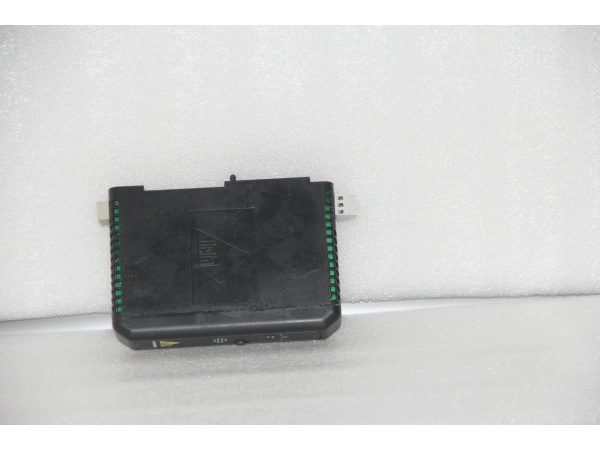
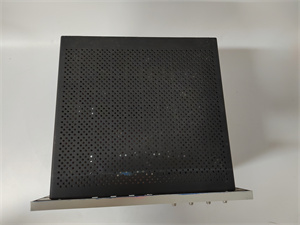
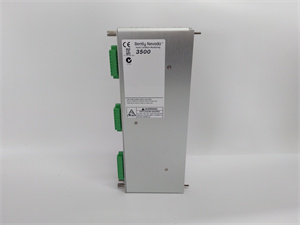
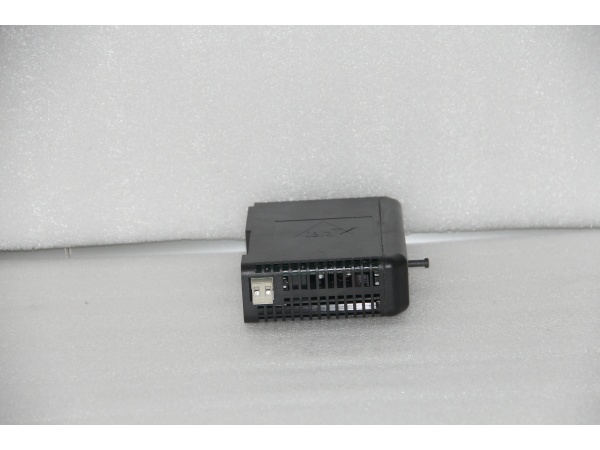
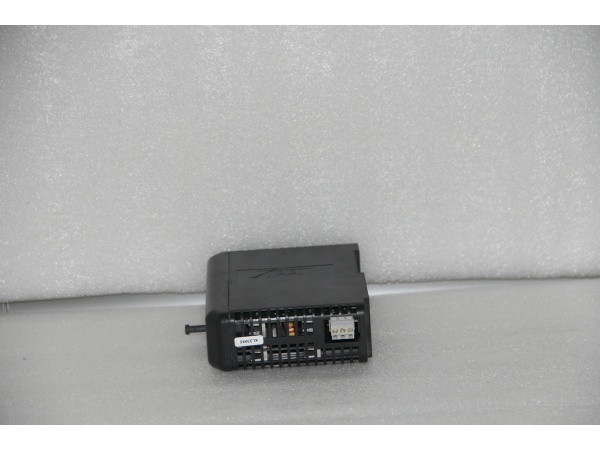
Emerson KJ1501X1-BC2
Hard-Numbers: Technical Specifications
- Input Voltage: 24VDC (-15%/+20%) @ 4.0A; 12VDC (±5%) @ 14.8A
- Output Voltages: 12VDC (main); 5VDC @ 2.0A; 3.3VDC @ 2.0A
- 12V Output Current: 13.0A max (-40°C to 60°C); 10.0A max @ 70°C (12V input)
- Combined 5V/3.3V Power: 10 Watts max @ 70°C
- Operating Temperature: -40°C to +70°C ambient
- Isolation Rating: 1500VAC dielectric (input-to-output)
- Alarm Relay: 30VDC/2A or 250VAC/2A (fault indication)
- Certifications: Class I Div 2, ATEX II 3G, ISA-S71.04 Class G3
- Weight: 670g (1.48lbs)
- Hot-Swap: Not supported with system energized; remove/replace only with backplane power OFF
The Real-World Problem It Solves
Plant-wide shutdowns and process trips often trace back to cheap, unregulated power supplies failing under thermal load or voltage spikes. Generic PSUs lack isolation and alarm contacts, leaving techs blind to pending failures until the backplane goes dark.
Where you’ll typically find it:
- Refinery DeltaV control cabinets (redundant pair installs for 24/7 operation)
- Fossil power plant DCS racks (feedwater, boiler, and turbine control systems)
- Offshore platform process control shelters (harsh humidity/vibration environments)
It eliminates unplanned downtime from power supply faults and provides actionable alarm data for predictive maintenance.
Hardware Architecture & Under-the-Hood Logic
This is a self-contained DC/DC converter with integrated fault detection and redundant diode OR-ing for parallel operation. No onboard CPU; uses dedicated PWM control circuitry for regulation.
- Input filter stage suppresses EMI and accepts either 24VDC or 12VDC field power.
- Isolated DC/DC converter steps input voltage down to regulated 12VDC main output.
- Secondary windings generate 5VDC and 3.3VDC for logic circuits; current-limited to prevent overload.
- Fault monitor circuit tracks overvoltage, undervoltage, and overtemperature conditions; triggers alarm relay on fault.
- Redundant diode network allows two units to share load seamlessly in redundant pairs.
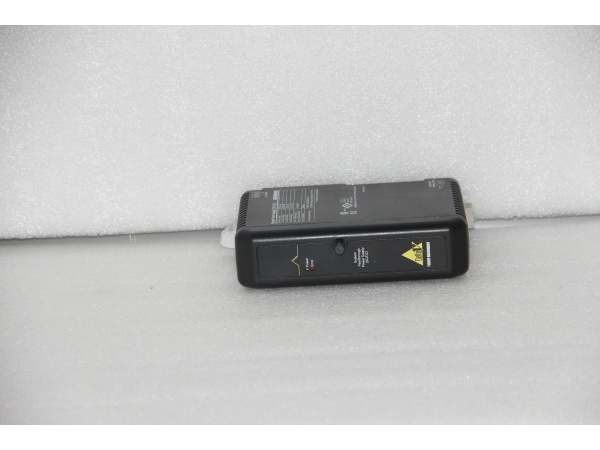
Emerson KJ1501X1-BC2
Field Service Pitfalls: What Rookies Get Wrong
Hot-Swapping With System Power On
New techs treat this like hot-swappable I/O cards and pull/install the module while the DeltaV system is energized. This causes backplane voltage spikes, corrupted logic, and permanent damage to the power supply and controller.
- Field Rule: Always de-energize the entire cabinet backplane before removing or replacing this module. Lock out/tag out (LOTO) per plant safety procedures.
Mismatched Redundant Pair Wiring
Installers wire two units with opposite polarity or different input voltages, causing diode OR-ing failure and load imbalance. One unit overheats and trips the alarm.
- Quick Fix: Verify both units have identical input voltage (24V or 12V) and correct polarity before connecting to the backplane. Use a multimeter to check for 0V between common terminals.
Ignoring Alarm Relay Wiring
Junior crew leaves the alarm relay contacts unconnected or wired to the wrong voltage, so the DCS never receives fault notifications. A failing supply goes undetected until it dies completely.
- Field Rule: Wire the alarm relay to a 24VDC DCS input; program the DCS to trigger a critical alarm on contact closure. Test the alarm by simulating an overtemperature condition (carefully).
Commercial Availability & Pricing Note
Please note: The listed price is for reference only and is not binding. Final pricing and terms are subject to negotiation based on current market conditions and availability.