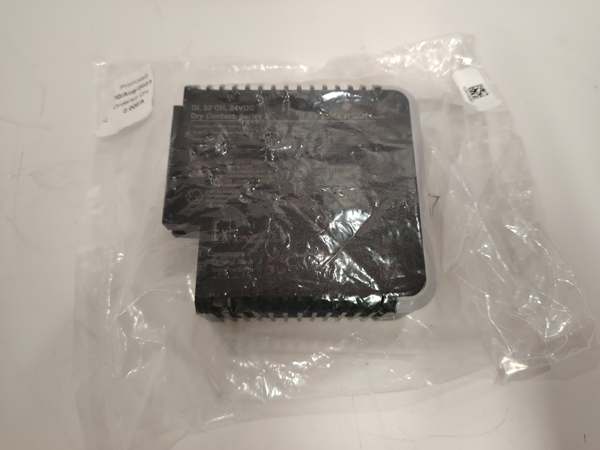
Description
Key Technical Specifications
-
Model Number: 13P0085X022
-
Manufacturer: Emerson Automation Solutions (Ovation Division)
-
Protocol Support: Ovation Redundant Power Management, Status Diagnostics Over Backplane
-
Ports: 2x 24V DC Output (Load Sharing), 1x AC Input (100-240V), 1x Status Communication Port
-
Output Voltage: 24V DC ±0.5V (Regulated), Adjustable 23.5-24.5V
-
Operating Temperature: 0°C to 60°C (32°F to 140°F), Storage: -40°C to 85°C
-
Isolation: 3000V DC Input-to-Output, 1500V DC Output-to-Chassis
-
Output Current: 10A Continuous, 15A Peak (10 Seconds)
-
Load Regulation: <0.1% (Full Load Range)
-
Certifications: UL 60950-1, CSA C22.2 No. 60950-1, IEC 60950-1, CE Marked
-
Redundancy: 1+1 Redundant Configuration, Auto Load Sharing, Failover <1ms
-
Mounting: Ovation Power Chassis (1U Slot), Tool-Less Latching

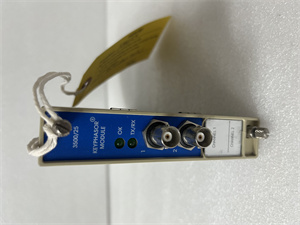
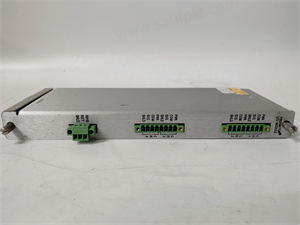
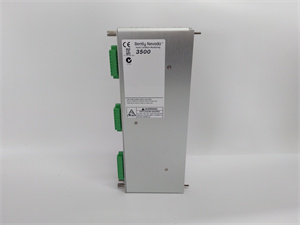
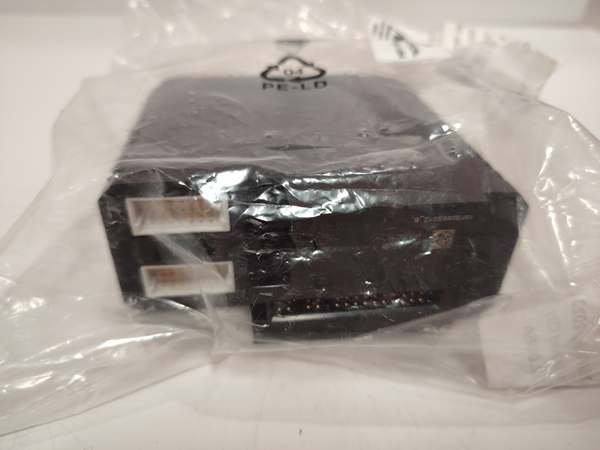
EMERSON 13P0085X022
Field Application & Problem Solved
In power plants, unstable power supply to Ovation I/O modules is a catastrophic risk—voltage fluctuations or sudden outages can corrupt control signals, triggering unplanned shutdowns or equipment damage. A Northeast combined-cycle plant in 2022 faced this issue: their legacy power modules had poor load regulation, causing 24V DC output to dip to 22V during peak I/O load, which crashed 3 turbine control I/O chassis and led to a 4-hour shutdown costing $800k. This redundant power module solves that with tight ±0.5V regulation and 10A capacity—even with 12 I/O modules drawing maximum current, output stays steady at 24V. I replaced 8 legacy modules with 13P0085X022 units in 1+1 redundancy, eliminating voltage dips and preventing 2 potential shutdowns in the first quarter post-installation.
This module is the “power backbone” of Ovation systems—you’ll find it in every critical control area: turbine control I/O chassis, boiler protection systems, HRSG (Heat Recovery Steam Generator) control cabinets, and safety shutdown modules. At a Texas wind-plus-storage facility, we installed 16 of these modules to power 32 I/O chassis across 8 battery storage units. The facility had struggled with uneven load distribution on old redundant power supplies—one module would carry 90% of the load, leading to premature failure. The 13P0085X022’s auto load-sharing feature splits current evenly between redundant pairs (each carrying 50% load), doubling module lifespan. Its hot-swappable design also let technicians replace a faulty module during peak battery discharge without interrupting storage system control.
Its core value is uninterrupted, regulated power with fail-safe redundancy. Power plants don’t just need power—they need power that’s consistent enough to keep sensitive I/O modules working, and redundant enough to avoid single points of failure. The module’s built-in diagnostics (sent to Ovation HMI) alert operators to voltage deviations, overcurrent, or fan failure before issues affect I/O. When configured with 13P0086X022 in redundant pairs, failover happens in <1ms—faster than the response time of Ovation’s control loops, so no control signals are lost. Unlike generic power supplies, it’s engineered to work seamlessly with Ovation’s backplane, avoiding compatibility issues that cause erratic module behavior. For plant reliability teams, the 3000V input-to-output isolation protects I/O from AC line transients, a common cause of module failures during lightning storms.
Installation & Maintenance Pitfalls (Expert Tips)
Redundancy Setup: Enable Load Sharing Before Commissioning
Rookies skip enabling load sharing, turning redundant pairs into “active-standby” instead of “active-active,” which shortens module life. A Midwest coal plant installed 6 redundant pairs but forgot to set the load-sharing DIP switch—one module in each pair ran at 100% load, failing every 6 months. The 13P0085X022 has a DIP switch (Switch 3) labeled “Load Share Enable”: set it to “ON” for both modules in the pair. Then, use Ovation Power Manager software to calibrate output voltages—both modules must match within ±0.1V to share load evenly. Test with a current clamp: each module should draw ~50% of the total load (e.g., 5A each for a 10A total). Never run redundant pairs without load sharing—you’re wasting the module’s design and creating premature failure points.
Voltage Calibration: Match to I/O Module Requirements
Mismatched output voltages between redundant modules or incorrect calibration cause current hogging and I/O errors. A Florida gas plant calibrated their 13P0085X022 modules to 23.5V, but their new AO modules required 24.0V—this caused intermittent communication failures with valve positioners. Before connecting to I/O chassis, use a precision multimeter to adjust the module’s trim pot: set output to 24.0V (the sweet spot for most Ovation I/O). For redundant pairs, calibrate both modules to the same voltage (within ±0.1V) to ensure load sharing. Verify with Ovation HMI: the “Power Module Voltage” tag should read 23.9-24.1V during peak load. If you’re powering legacy I/O (pre-2010), lower to 23.8V—older modules are more sensitive to overvoltage, but modern units thrive at 24.0V.
Wiring: Use Proper Gauge and Isolate AC/DC Cables
Undersized wires or mixed AC/DC wiring cause voltage drop and noise, leading to I/O chassis resets. A Pacific Northwest hydro plant used 18AWG wire for 10A loads—voltage dropped to 22.5V at the I/O chassis, triggering weekly resets. The 13P0085X022 requires 12AWG wire for runs over 10ft and 14AWG for shorter runs to minimize voltage drop. Route DC output cables in separate trays from AC input cables—AC noise can induce voltage fluctuations in DC lines. Use ring terminals for all connections (not spade terminals) to prevent loose connections that generate heat. After rewiring with 12AWG wire and separating AC/DC cables, the plant’s I/O chassis resets stopped entirely. For outdoor cabinets, use weatherproof wire glands and shielded DC cables to prevent moisture and EMI issues.
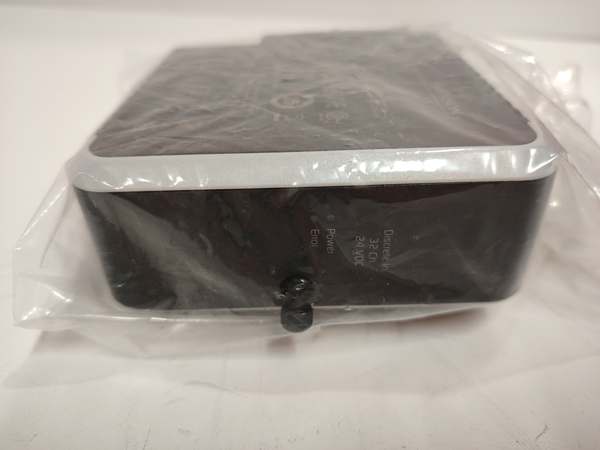
EMERSON 13P0085X022
Technical Deep Dive & Overview
The 13P0085X022 is Ovation’s flagship redundant power supply, engineered for the zero-downtime demands of power generation. It uses a switch-mode design with active power factor correction (PFC)—this ensures efficient power conversion (92% efficiency at full load) and compliance with utility power factor requirements. A dedicated microprocessor monitors output voltage, current, and temperature, adjusting the switching circuit in real-time to maintain regulation—even during AC input voltage fluctuations (100-240V) common in industrial environments.
Its 3000V input-to-output isolation is a critical safety feature—power plant AC lines often have transients from lightning or motor startups, and this isolation prevents those transients from reaching sensitive I/O modules. The module’s built-in protection features (overvoltage, overcurrent, short circuit) kick in within 10µs, shutting down output to avoid damage to connected equipment. Front-panel LEDs provide clear status: solid green for normal operation, blinking green for standby mode, and red for fault (with a separate LED for fan failure). In redundant mode, the modules communicate via a dedicated link to sync voltage and load, ensuring seamless failover if one module drops offline.
What makes it irreplaceable is its integration with Ovation’s reliability ecosystem. Unlike third-party power supplies, it sends detailed diagnostics to Ovation’s HMI—operators can see not just if a module is faulty, but why (e.g., “Overcurrent on Output 1,” “Fan Failure”). The hot-swappable design means no shutdowns for maintenance, a must for 24/7 power plants. Its 10A capacity powers up to 16 I/O modules per chassis, reducing the number of power supplies needed. For plants pursuing NERC CIP compliance, the module’s event logging (storing voltage fluctuations and fault times) simplifies audit trails. It’s not just a power supply; it’s a critical component of Ovation’s “fault-tolerant” design, ensuring that power— the most basic requirement of control systems—never becomes a single point of failure.