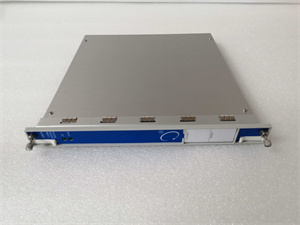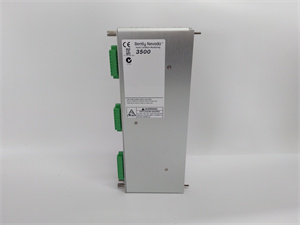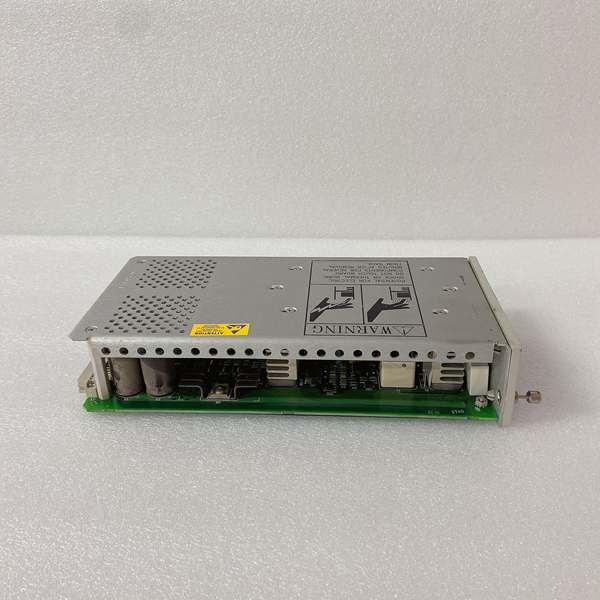
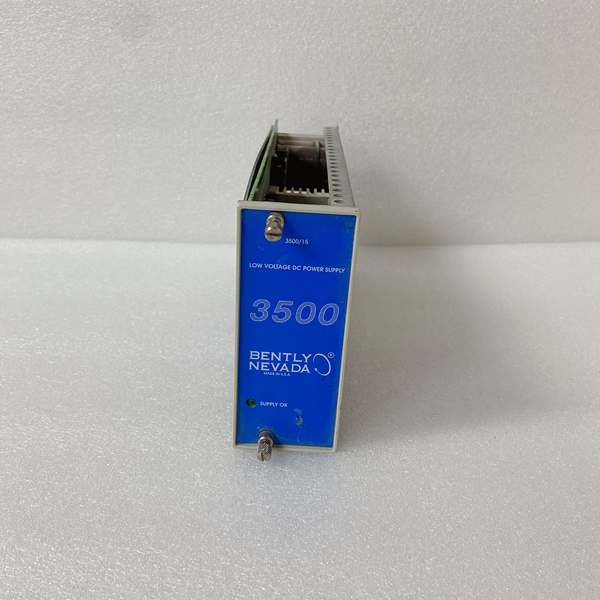
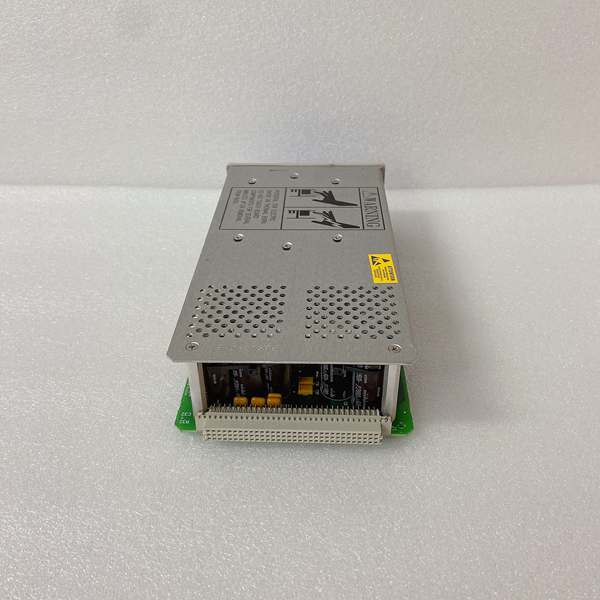
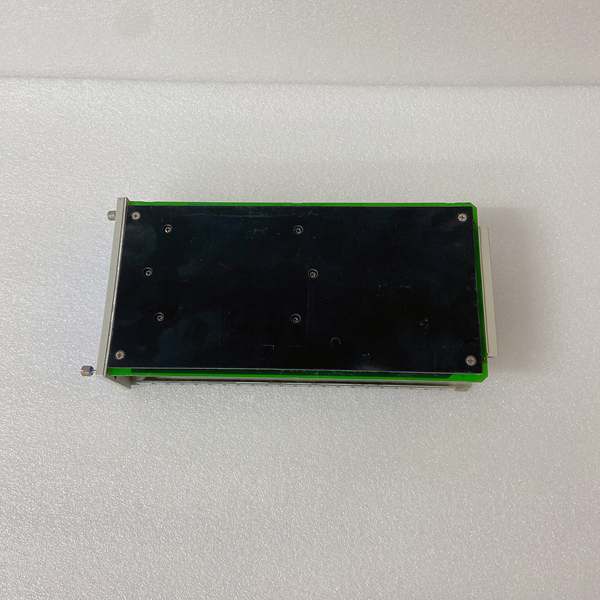
Description
Key Technical Specifications
- Model Number: 3500/15-04-00-01 133292-01
- Manufacturer: Bently Nevada (a Baker Hughes business)
- Rack Type: 19″ standard industrial rack (1U height per module slot)
- Slot Capacity: 4 independent slots for 3500 series modules (1U each)
- Backplane Design: Passive signal/power distribution backplane (3500-native protocol)
- Power Compatibility: 24VDC ±10% (from 3500/10 Power Module); 10A max backplane current
- Operating Temperature: -40°C to +70°C (-40°F to +158°F)
- Mounting Type: Rack-mount (19″ equipment rack, 4U total height); wall-mount optional with bracket
- Weight: 5.4kg (12lbs) (empty); 10-15kg (22-33lbs) fully populated
- Compatibility: Bently 3500/22/42M Monitoring Modules, 3500/25 Relay Modules, 3500/94 Communication Modules, 3500/10 Power Modules
- Backplane Data Transfer: 100Mbps dedicated bus (module-to-module communication)
- Certifications: CE, UL 508, ATEX Zone 2 (Ex nA IIC T4), IECEx
- Mechanical Features: Steel chassis with anti-vibration mounting points, hot-swappable module guides, front/rear panel access
- Diagnostic Capability: Rack-level status LED (power OK, backplane fault), module presence detection

Bently Nevada 3500/15-04-00-01 133292-01
Field Application & Problem Solved
In critical rotating machinery protection—refinery gas turbines, power plant steam turbines, chemical plant centrifugal compressors—the biggest infrastructure challenge is housing 3500 system modules in a rugged, compatible rack that ensures reliable backplane communication and power distribution. Generic racks lack the 3500-native backplane, causing module communication failures, or can’t withstand harsh industrial conditions (vibration, temperature extremes), leading to system downtime. A Texas refinery lost $290k in a 4-hour outage when a generic rack’s backplane failed to power a 3500/42M module, leaving a turbine unmonitored. A Pennsylvania power plant spent $25k annually on custom adapter plates to fit 3500 modules into non-Bently racks, which still caused intermittent signal drops.
This rack solves these issues as the factory-designed backbone of the 3500 system. You’ll find it in: turbine control rooms, compressor skid safety panels, generator protection enclosures, and any location where 3500 modules are deployed. It’s the mandatory rack for 3500 systems, as it ensures seamless integration between modules without adapters or custom modifications.
Its core value is 3500-native backplane integration + slot capacity optimization + rugged industrial design. Unlike generics, it’s engineered to the exact mechanical and electrical specifications of 3500 modules, eliminating communication latency between monitoring, relay, and communication modules. The 4-slot design is ideal for medium-scale protection systems (e.g., a single turbine or compressor), while the steel chassis and anti-vibration mounts withstand plant floor conditions. For a Louisiana chemical plant, this rack reduced 3500 system installation time by 60% compared to generic racks, avoiding $18k in adapter and labor costs.
Installation & Maintenance Pitfalls (Expert Tips)
- Rack Mounting: Torque to 4Nm (35 in-lbs): Rookies under-torque rack mounting bolts, causing vibration-induced backplane damage. An Ohio steel mill’s rack shifted during turbine operation, breaking a 3500/25 module connection—use a torque wrench to secure the rack to the equipment rack. Add anti-vibration washers in high-vibration environments.
- Power Module Compatibility: Use Only 3500/10 Modules: Generic 24VDC power supplies have unstable output, frying the backplane. A Florida refinery destroyed a rack’s backplane ($1,200 repair) by using a non-Bently power module. Always pair this rack with Bently 3500/10 Power Modules—verify voltage regulation (±0.5V) before connecting.
- Module Seating: Ensure Full Insertion (Audible Click): Rookies don’t fully seat modules, causing partial backplane contact and communication drops. A Michigan paper mill’s 3500/94 module showed “no communication” until the module was pushed firmly into the slot (audible click from the latch). Never force modules—check for debris in slot guides if insertion is difficult.
- Backplane Cleaning: Annual Inspection for Dust/Corrosion: Dust and moisture accumulate on backplane pins, leading to signal degradation. A North Carolina refinery’s rack suffered intermittent module faults until the backplane was cleaned with compressed air (low pressure) and electrical contact cleaner. Perform this during scheduled shutdowns—avoid touching pins with bare hands.
- Redundancy Wiring: Cross-Connect Power Modules for N+1 Redundancy: Rookies install two 3500/10 modules but don’t cross-connect the redundancy pins, disabling failover. A Texas chemical plant’s rack lost power to all modules during a single power module failure—use Bently’s redundancy cable (133293-01) to link power modules, enabling automatic load sharing and failover.
Bently Nevada 3500/15-04-00-01 133292-01
Technical Deep Dive & Overview
The Bently Nevada 3500/15-04-00-01 133292-01 is the foundational chassis of the 3500 Machinery Protection System, engineered to provide a unified platform for module integration, power distribution, and signal communication. At its core, a passive backplane distributes 24VDC power from 3500/10 modules to all installed modules (monitoring, relay, communication) and enables high-speed data transfer (100Mbps) between modules—critical for syncing vibration/trip signals with safety shutdown logic.
Unlike generic racks, it features 3500-native mechanical and electrical design: Module slots are precision-machined to match 3500 module dimensions, and backplane pins are rated for the system’s signal voltage/current requirements, eliminating contact resistance and signal loss. The steel chassis is reinforced with anti-vibration mounting points, ensuring structural integrity in environments with 5g vibration (10-2000Hz)—common in turbine and compressor enclosures.
What sets it apart is its hot-swappable support and scalability. Modules can be inserted or removed without powering down the rack, enabling maintenance without system downtime. The 4-slot design balances space efficiency and expandability—ideal for protecting a single critical asset (e.g., a 50MW turbine) while leaving room for future module additions (e.g., extra communication or monitoring channels).
For maintenance teams, this rack isn’t just a housing—it’s the nerve center of the 3500 system. By ensuring reliable power distribution and module communication, it enables the 3500 system to deliver real-time machinery health data and safety shutdowns, protecting critical assets from catastrophic failure and minimizing unplanned downtime. Its rugged design and native integration make it the gold standard for industrial environments where reliability is non-negotiable.