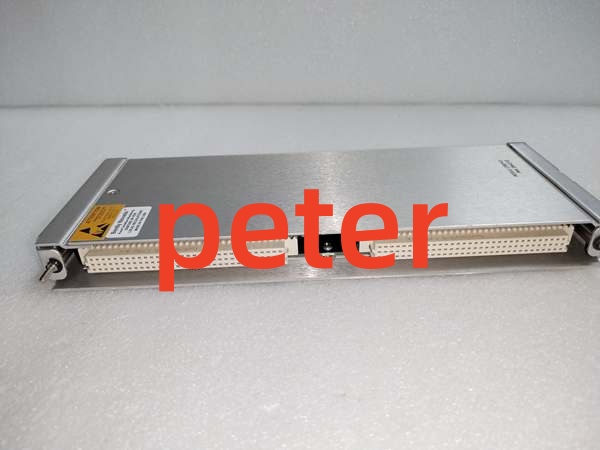
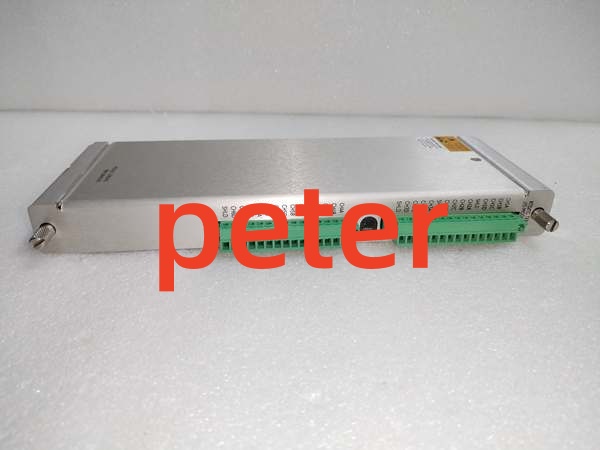
Description
Product Core Brief
- Model: 140471-01
- Brand: Bently Nevada
- Series: 3500 Machinery Protection System
- Core Function: Conducts real-time monitoring of mechanical equipment vibration and sensor proximity.
- Product Type: Seismic Monitor I/O Module
- Key Specs: 12V DC Internal | Profibus DP/Profinet | 10.5W Power
- Note: High-performance I/O module designed specifically for advanced mechanical monitoring systems.
Key Technical Specifications
| Parameter | Specification |
|---|---|
| Product Type | High-Performance Seismic Monitor I/O Module |
| System Compatibility | Bently Nevada 3500 Series |
| Power Supply | 12V DC Internal Operating Voltage |
| Communication Protocols | Profibus DP / Profinet |
| Normal Power Consumption | 10.5W |
| Input Voltage | Supports 24V DC Input |
| Operating Temperature | -40°C to +85°C |
| Dimensions | 241.3mm × 24.4mm × 99.1mm |
| Weight | 0.20 kg |
| Protection Level | Dust-proof and splash-proof |
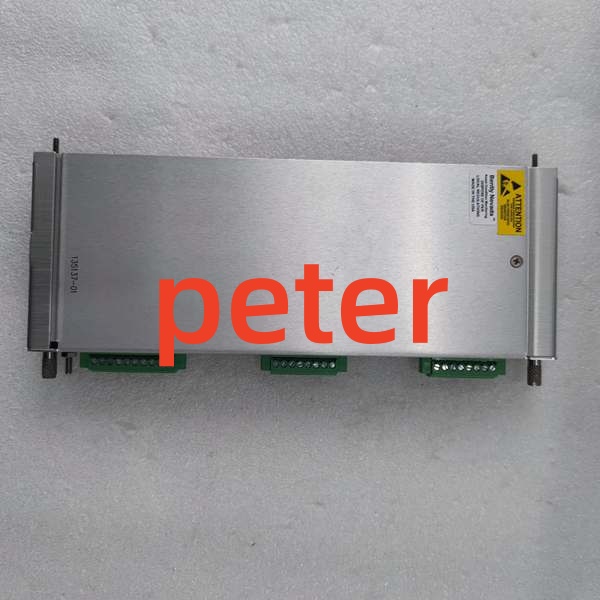
Bently Nevada 135137-01
Product Introduction
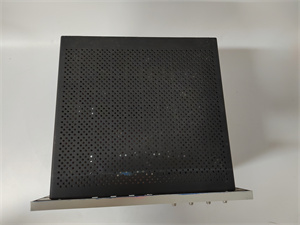
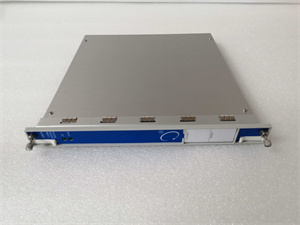
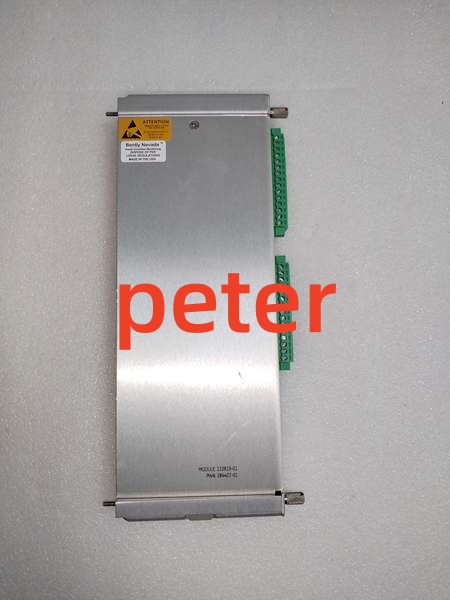
The 140471-01 is a high-performance I/O module featuring internal terminals, serving as a critical component of the 3500 series monitoring system. It is engineered to accurately collect key operational data by working in collaboration with various sensors.
This module efficiently processes and transmits vibration and proximity data, laying the foundation for equipment status analysis and fault diagnosis. Its robust design ensures stable operation in demanding industrial environments like petrochemicals and power generation.
QA & Testing SOP (Transparency Building)
- Incoming Inspection: Verify part number 140471-01 against OEM documentation. Inspect the internal terminal connections and backplane pins for straightness and oxidation. Check the PCB for physical damage or thermal stress.
- Live Testing: Install in a verified 3500 test rack. Apply 24V DC input and measure the internal 12V DC rail with a calibrated Fluke 115 multimeter. Verify Profibus/Profinet communication handshake.
- Electrical Testing: Measure insulation resistance between signal channels and chassis ground (>10MΩ). Verify grounding continuity. Check power consumption under normal load to ensure it does not exceed 10.5W.
- Hardware Verification: Confirm all mounting hardware and connector locks are present and functional. Inspect the front panel labeling for legibility.
- Final QC & Packaging: Clean contact surfaces with approved solvent. Package in anti-static shielding with desiccant. Attach QC pass tag with test date, voltage verification results, and technician ID.
Installation Pitfalls & Guide (Engineer to Engineer)
❗ Voltage Specification Confusion: This module operates internally on 12V DC but requires a 24V DC input. Never supply 12V directly to the input terminals expecting it to operate. Doing so will result in module failure. Always verify your power supply output matches the 24V DC input requirement.
❗ Communication Protocol Mismatch: The module supports both Profibus DP and Profinet. Verify which protocol your DCS/PLC is configured for before installation. Incorrect protocol selection will result in communication timeouts and data loss.
❗ Backplane Seating Issues: The 3500 backplane connector is dense and fragile. Never force insertion. If you feel resistance, pull it out and inspect both the module connector and backplane socket for bent pins. A single bent pin can corrupt the entire monitoring bus.
❗ Thermal Clearance Violations: Despite its compact 24.4mm width, this module generates heat during operation. Ensure adequate airflow around the module. Blocking adjacent slots or obstructing rack ventilation will cause thermal derating and premature failure.
❗ ESD Dangers: The internal signal processing circuits are extremely sensitive to electrostatic discharge. A static zap from an ungloved hand can destroy the input buffer ICs without visible damage. Always wear a grounded wrist strap when handling this module.
Replacement Guide:
- Pre-install: Document existing configuration and wiring. Verify 24V DC power supply output. Disconnect all field cables. Ground yourself.
- Removal: De-energize the rack slot. Release the module locking levers and pull straight out. Do not pry. Inspect the backplane connector for debris.
- Install: Align the new 140471-01 with the backplane, slide in with even pressure, and fully engage the locking levers. Reconnect field cables only after mechanical seating is confirmed.
- Power-on Test: Apply 24V DC power. Verify the module status LED. Check Profibus/Profinet communication status in the DCS. Confirm no new alarms are active before returning to service.
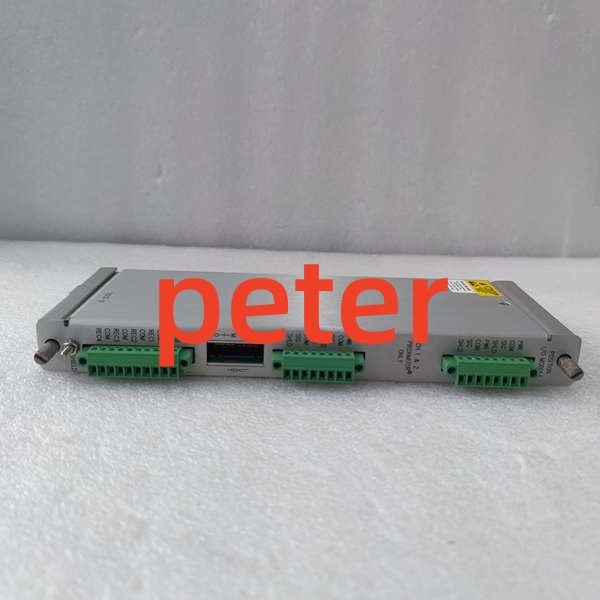
Bently Nevada 135137-01
FAQ (Frequently Asked Questions)
Q: Can I hot-swap this seismic monitor I/O module?
A: No. The 140471-01 does not support hot-swapping. Removing it while powered will cause open-circuit conditions on the sensor inputs, potentially triggering false vibration alarms or damaging the internal circuits. Always schedule a maintenance window and de-energize the slot.
Q: What is the difference between 140471-01 and 140734-01?
A: The 140471-01 is a seismic monitor I/O module with internal terminals and Profibus/Profinet communication. The 140734-01 is typically a different variant or complete monitor assembly. Verify whether you need just the I/O module or the complete seismic monitor unit for your application.
Q: Why am I getting communication timeouts after replacement?
A: This is usually caused by incorrect protocol selection (Profibus DP vs Profinet), IP address conflicts (for Profinet), or improper termination. Verify the communication protocol matches your DCS configuration. Check network cabling and termination resistors. Confirm the module is properly configured in the 3500 software.
Q: Can I use this module with non-Bently Nevada sensors?
A: No. The 140471-01 is designed exclusively for Bently Nevada 3300 XL Series proximity sensors and compatible seismic sensors. Using third-party sensors will result in signal conditioning errors and inaccurate vibration measurements. Always use OEM-approved sensors.
Q: What happens if I lose power suddenly?
A: The module stores its configuration in non-volatile memory. Upon power restoration, it will reload the saved communication parameters and alarm setpoints automatically. If the module fails to boot or shows a fault LED, the internal flash may be corrupted, requiring a factory reset and reconfiguration.
Q: Is this part still manufactured by Bently Nevada?
A: The 3500 system remains an active product line, and the 140471-01 is a standard component. However, always verify current OEM availability and lead times. For legacy installations, New Original or New Surplus inventory is typically available through authorized distributors.
Q: Why does my vibration reading show excessive noise after installing this card?
A: Check for ground loops, improper sensor cabling, or EMI interference. Verify that sensor cables are shielded and routed away from VFDs and high-current conductors. Also verify that the internal terminal connections are secure and that the module is properly grounded to the rack chassis.