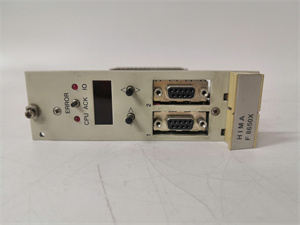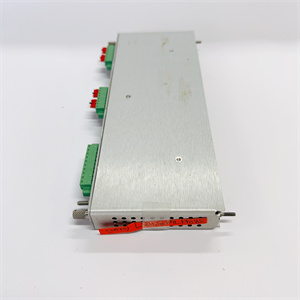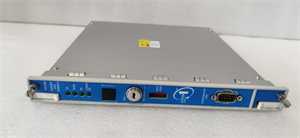
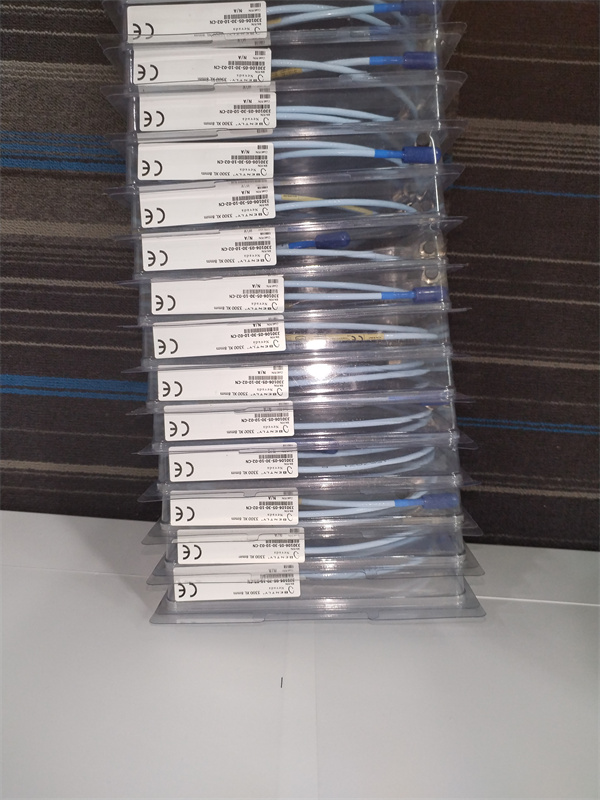
Description
Hard-Numbers: Technical Specifications
- Relay Channels: 4 independent Form C (SPDT) relays
- Contact Rating: 5A resistive at 250V AC / 30V DC, 0.25A inductive at 250V AC / 30V DC
- Contact Material: Silver alloy (AgNi) with gold plating for low-level signals
- Coil Voltage: Internally supplied from 3500 rack backplane (24V DC)
- Isolation: 1500V RMS galvanic isolation between relay contacts and backplane circuits
- Contact Life: Mechanical: 10⁷ operations minimum; Electrical: 10⁵ operations at rated load
- Operating Temperature: 0°C to +50°C
- Storage Temperature: -40°C to +85°C
- Humidity: 5% to 95% RH non-condensing
- Power Supply: 24V DC via 3500 rack backplane
- Power Draw: 1.5W typical (coils de-energized), 3W maximum (all coils energized)
- Dimensions: Standard 3500 module form factor (12.7″ H × 17.8″ D × 3.2″ W)
- Weight: 0.9 lbs (0.4 kg)
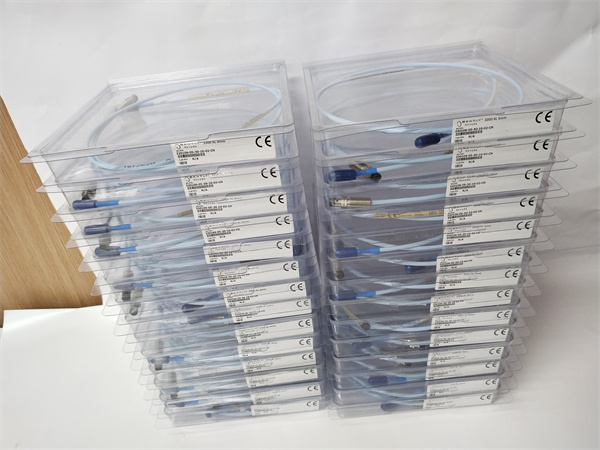
BENTLEY 330130-080-00-CN
The Real-World Problem It Solves
Your DCS or ESD system needs a dry contact input for shutdown logic, but the 3500 monitors only talk to the rack. The 3500/32-12-GCN takes alarm status from monitors and converts it to four independent relay outputs that you can wire into your safety system, trip circuits, or annunciator panels without running analog signal wiring everywhere.
Where you’ll typically find it:
- Turbine generator protection racks providing alarm contacts to plant DCS and ESD systems
- Compressor and pump monitoring racks where local annunciator panels require separate alarm indication
- Machinery protection systems in refineries where multiple trip levels (alert, danger, pre-trip) must be wired to different destinations
Bottom line: This is the output interface module that turns internal 3500 alarm logic into physical relay contacts for external systems to act on.
Hardware Architecture & Under-the-Hood Logic
The 3500/32-12-GCN is a quad relay module that plugs into the 3500 VME backplane and receives alarm status signals from monitor modules via the internal rack communication bus. Each of the four relay channels operates independently with its own output logic configuration. The module contains four Form C (SPDT) electromechanical relays, each with isolated common, normally open, and normally closed contacts. Relay coils are driven from the internal 24V supply, and contact wiring terminates on a removable terminal block for easy field wiring.
-
Backplane communication: The module continuously polls alarm status from configured monitor modules via the VME bus. Each relay channel can be programmed to respond to specific monitor alarm states (Alert, Danger, Not OK, or combinations of multiple monitors). Configuration is done via 3500 Configuration Software.
-
Logic evaluation: The onboard microprocessor evaluates incoming alarm status against programmed logic for each relay channel. Logic options include AND, OR, voting logic (2oo3, 1oo2), and time delays. For example, Relay 1 could be programmed to energize if Monitor 1 OR Monitor 2 enters Danger state, with a 3-second delay.
-
Coil drive: When logic conditions are met, the microprocessor energizes the corresponding relay coil through an internal transistor driver circuit. The coil is supplied from the rack’s 24V DC bus. Each channel has an LED indicator showing coil state (energized/de-energized).
-
Contact output: Energizing the coil moves the relay armature, changing contact state. Form C configuration provides a Common (C), Normally Open (NO), and Normally Closed (NC) contact per channel. When de-energized, C is connected to NC; when energized, C switches to NO. All contacts are galvanically isolated from backplane electronics and from each other.
-
Arc suppression and protection: The module includes optional snubber circuits for inductive loads (relay coils, solenoid valves). If you’re driving inductive loads, configure snubbers in software to prevent contact welding from voltage spikes when contacts open. Each channel also has replaceable fuses on contact outputs for short-circuit protection.
Field Service Pitfalls: What Rookies Get Wrong
Wiring Inductive Loads Without SnubbersI’ve seen techs wire the relay contacts directly into a solenoid valve or contactor coil without any suppression. When the relay opens, the inductive kickback spikes to hundreds of volts, welding the contacts together. The alarm latch trips, the relay releases, but the external contactor stays energized because the contacts are physically welded shut.
- Field Rule: Always use snubber circuits (RC networks or MOVs) across inductive loads. The 3500/32 has configurable internal snubbers—enable them in the configuration software. If you’re driving heavy inductive loads, add external suppression at the load itself.
Exceeding Contact Current RatingsRookie engineers treat the 5A resistive rating as a general-purpose spec and wire two 150W heater loads through one relay. That’s 2.5A per heater—5A total, sounds fine on paper. But heaters are inductive at startup due to element heating and thermal mass, causing inrush current that welds contacts within months.
- Quick Fix: Treat the 0.25A inductive rating as your real limit for anything with coils or motors. For heater banks, use a contactor with the 3500 relay driving the contactor coil (not the heater elements directly). Never exceed 80% of the contact rating for continuous loads.
Configuring Voting Logic IncorrectlyTechs set up 2oo2 voting on Relay 1 without understanding what that actually does. With 2oo2, the relay only trips if BOTH monitors agree on an alarm. That means if one monitor fails or loses signal, the relay never trips—and your machinery runs unprotected. Rookie engineers assume more voting always means safer, but it depends on failure modes.
- Field Rule: Default to 1oo1 (any monitor alarm triggers relay) for simple protection unless you have a specific reason for voting logic. For safety-critical machinery, use 1oo2 (one monitor trips the relay) to fail safe. Document voting logic in the rack manual and verify it during commissioning with simulated alarm inputs.
Mixing NO and NC Contacts in the Same CircuitI’ve seen engineers wire a DCS input using both NO and NC contacts from the same relay channel to get “dual indication.” That defeats the purpose of Form C redundancy. When the relay fails (mechanical stuck), both contacts can fail in the same position, and your DCS thinks the wiring is intact when it’s actually broken.
- Quick Fix: Use either NO or NC for each signal, not both. If you need dual indication for safety, use two separate relay channels (NO on one, NC on another) or two independent relay modules. The Form C contacts are for selecting logic state (energize-to-trip vs. de-energize-to-trip), not for redundant monitoring of the same relay.
Not Verifying Trip Logic with Real AlarmsDuring commissioning, techs verify relay operation by forcing outputs in the software rather than creating actual alarm conditions on monitors. They confirm the relay clicks, but they never verify that the actual Danger alarm from a vibration monitor trips the relay. Later, during a real trip, the relay doesn’t fire because the alarm-to-relay mapping was never configured correctly.
- Field Rule: Test each relay channel by inducing actual monitor alarms (inject signal or disconnect transducer). Verify that the relay trips at the correct alarm level (Alert vs. Danger), with the correct time delay if configured. Document which monitor and which alarm condition drives each relay.
Loose Terminal Block Connections Over TimeThe 3500/32 uses a removable terminal block for relay contact wiring. Vibration from nearby machinery causes these terminal screws to loosen over months. The connection resistance increases, voltage drops, and eventually the DCS input sees intermittent trips or fails to recognize trip signals entirely.
- Field Rule: Include terminal block torque checks in your quarterly PM schedule. Use a screwdriver with torque control set to manufacturer spec (typically 0.5–0.8 Nm). If you have high-vibration environments, consider using locking terminal lugs or applying thread-locking compound on critical connections.
Commercial Availability & Pricing Note
Please note: The listed price is for reference only and is not binding. Final pricing and terms are subject to negotiation based on current market conditions and availability.