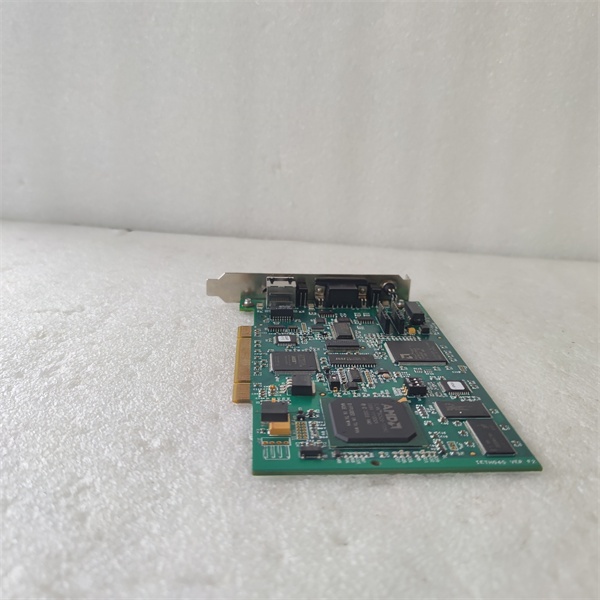
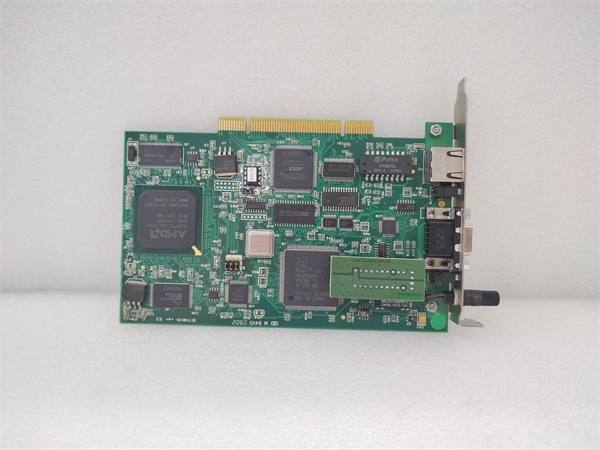
Description
Hard-Numbers: Technical Specifications
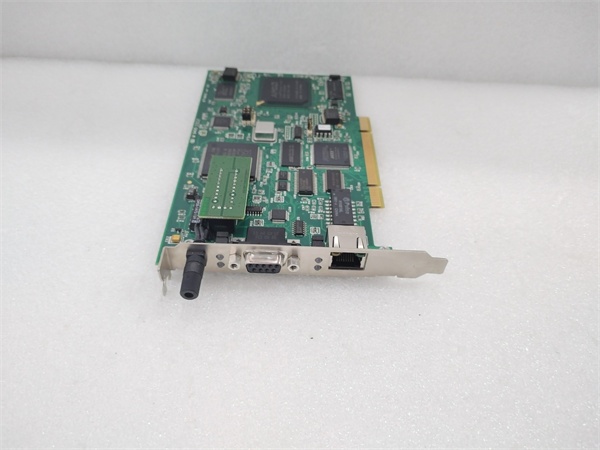
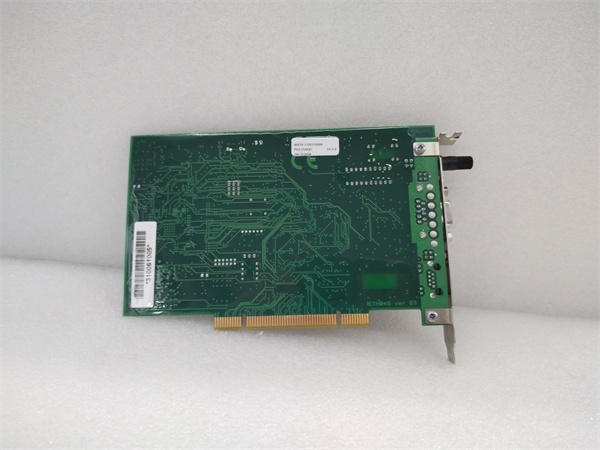
- Part Number: PCU1500S7 (also referenced as APP-PS7-PCU)
- Product Family: PCU1500 series (PCU1500S7, PCU1500PFB, PCU1500-PFB, PCU1500-S7)
- PCI Interface: Universal PCI (3.3V/5V), PCI-X compatible, plug-and-play
- Communication Port Details:
- Connector: D-Sub 9-pin female
- Electrical Interface: RS485 with optical isolation (500V)
- Baud Rate: 9.6 Kbps to 12 Mbps
- Protocol Support (COMBO) :
- Profibus DP-V0 (Master)
- S7/MPI (Master)
- PPI/PPI+ (Master)
- Send/Receive on FDL
- Profibus-FMS (on request)
- FDL S5 (Master)
- On-Board Memory: Internal database (32 Kwords + 32 Kbits)
- LED Indicators: TX / RX status LEDs
- Watchdog Output: Opto-coupled discrete output, floating contact (24V DC, 0.25A)
- Power Consumption: 5.5 W
- Environmental Ratings:
- Operating Temperature: 0°C to +70°C
- Storage Temperature: -40°C to +80°C
- Humidity: Up to 95% non-condensing (operating)
- Supported Operating Systems:
- Windows 32-bit: XP, 2003 Server, 2000 SP3, NT SP6
- Windows 64-bit: Windows 7, Windows Server 2008
- Real-time/Embedded: Windows XP Embedded, VenturCom RTX, VxWorks, QNX, Linux, DOS
- Development Support:
- DLL libraries for programming languages
- OPC DA 1.0a, 2.05, and 3.0 server
- ActiveX control with VBA code generator
- Visual Studio support (C, C#, VC++, VB)
- National Instruments support (LabWindows CVI, LabVIEW)
- Borland, Windev, Delphi support

PCU1500S7
The Real-World Problem It SolvesIndustrial automation systems often require PC-based SCADA/HMI applications to communicate with Siemens Simatic PLCs over Profibus. The PCU1500S7 provides a dedicated, high-performance interface that offloads protocol processing from the PC CPU, ensuring reliable, low-latency communication. This is critical for real-time monitoring, control, and data acquisition in manufacturing environments where communication delays can impact production quality or safety.
Where you’ll typically find it:
- Industrial control rooms with Windows-based SCADA/HMI stations
- Manufacturing plants using Siemens S7-300/400 PLCs
- Process industries (chemical, oil & gas, food processing) requiring PC-to-PLC communication
- Legacy systems integrating Siemens S5 controllers
- Custom automation applications needing direct Profibus connectivity from PC
Bottom-line: It’s an intelligent Profibus network interface card optimized for Siemens Simatic S7/MPI communication, with on-board processing to ensure real-time performance and reduce host CPU load.
Hardware Architecture & Under-the-Hood LogicThe PCU1500S7 is designed as an intelligent communication card that handles protocol processing independently.
-
PCI Interface Layer:
- Universal PCI 3.3V/5V support for compatibility with legacy and modern systems
- PCI-X compatible for higher bandwidth applications
- Plug-and-play for automatic detection and configuration
-
On-Board Processing:
- 133 MHz co-processor handles all protocol stack operations
- Manages polling, frame management, and protocol conversion
- Eliminates communication bottlenecks by offloading from host CPU
-
Communication Interface:
- Single Profibus port with D-Sub 9-pin connector
- RS485 transceiver with 500V optical isolation for noise immunity
- Supports baud rates from 9.6 Kbps to 12 Mbps
-
COMBO Protocol Architecture:
- Simultaneous execution of multiple Profibus protocols on a single card
- Dynamic switching between DP, S7/MPI, PPI, and FDL as needed
- Reduces need for multiple interface cards in mixed-protocol environments
-
Internal Database:
- 32 Kwords + 32 Kbits of on-board memory for data buffering
- Stores I/O mappings, communication buffers, and diagnostic data
- Reduces PCI bus traffic and host memory requirements
-
Watchdog Functionality:
- Opto-coupled discrete output for system health monitoring
- Floating contact (24V DC, 0.25A) can trigger alarms or safety circuits
- Detects communication failures or card malfunction
-
Software Stack:
- Unified driver supporting all protocols
- OPC server for SCADA integration
- Configuration console for setup and diagnostics
- Development libraries for custom applications
-
Certification & Compatibility:
- Certified with over 50 major SCADA/HMI packages
- PROFI certified (member of PTO and PNO organizations)

PCU1500S7
Field Service Pitfalls: What Rookies Get Wrong
-
Protocol Confusion: Attempting to use S7/MPI protocol with non-Siemens devices will fail. The PCU1500S7 is optimized for Siemens S7 systems; for general Profibus DP, use the PCU1500PFB variant instead.
-
Baud Rate Mismatch: The card supports 9.6 Kbps to 12 Mbps, but the target device must be configured to match. Incorrect baud rates cause complete communication failure.
-
Termination Issues: Profibus networks require termination resistors (typically 220Ω) at both ends of the bus. Forgetting termination or adding extra terminators causes signal reflection and errors.
-
Driver Installation Problems: Installing drivers before hardware detection, or using incompatible driver versions for the OS, leads to detection failures. Always follow the manufacturer’s installation sequence.
-
PCI Slot Compatibility: Although the card supports universal PCI 3.3V/5V, verify your PC’s PCI slot specifications. Some older PCs have 5V-only slots, and newer systems may lack legacy PCI entirely.
-
Ground Loops: Despite optical isolation, improper grounding between the PC and Profibus network can introduce noise. Use proper grounding practices and shielded Profibus cables.
-
Ignoring Watchdog: The watchdog output should be connected to a monitoring system. Leaving it unused eliminates a valuable fault-detection mechanism.
-
OS Compatibility: The card supports older Windows versions (XP/2000/NT) and newer ones (7/2008 Server), but Windows 10/11 support may be limited. Verify OS compatibility before deployment.
-
Configuration Backup: After successful configuration, back up the configuration file. Rookies often skip this step, leading to lengthy reconfiguration after card replacement.
-
LED Misinterpretation: The TX/RX LEDs indicate activity but not protocol-level errors. Rely on diagnostic software and host application logs for troubleshooting.
-
Cable Selection: Use only Profibus-certified cables with proper shielding. Standard RS485 cables may cause intermittent communication in noisy industrial environments.
-
Mixing Protocol Families: Attempting to simultaneously use S7 protocols with non-Siemens devices or PPI with non-Siemens S7-200 devices will cause failures. Understand which protocol each target device requires.
-
Address Conflicts: Each device on the Profibus network must have a unique address. Duplicate addresses cause communication collisions and network lockup.
Commercial Availability & Pricing Note
-
Market Status: The PCU1500S7 appears to be EOL (End-Of-Life) by the manufacturer. Available primarily as used/refurbished stock from industrial automation suppliers.
-
Pricing Range: Contact-for-pricing listings. Similar industrial NICs typically range from $500–$2,500 USD depending on condition, warranty, and supplier.
-
Warranty: 1-year warranty offered by some suppliers (e.g., Artisan Technology Group) with 30-day return guarantees for used units.
-
Lead Time: Used/refurbished units often ship within days; new availability is limited due to EOL status.
-
Sourcing Channels:
- Artisan Technology Group (Illinois, USA)
- PLSwiss (Switzerland)
- Saul DCS (China)
- Various automation spare parts distributors
-
Product Variants:
- PCU1500S7: Optimized for Siemens Simatic S7/MPI protocols (this card)
- PCU1500PFB: General Profibus DP card with dual ports
- PCU1500-S7 / PCU1500-PFB: Alternative part numbering conventions
-
Documentation: Datasheets and drivers may be available from suppliers or archived sources. For mission-critical deployments, ensure access to documentation before purchase.
-
Migration Path: For new deployments requiring Windows 10/11 support or modern interfaces, consider newer alternatives such as:
- USB-to-Profibus adapters
- PROFINET-to-Profibus gateways
- Native PROFINET cards for Siemens S7-1500 systems