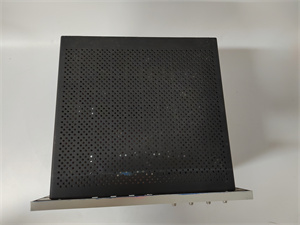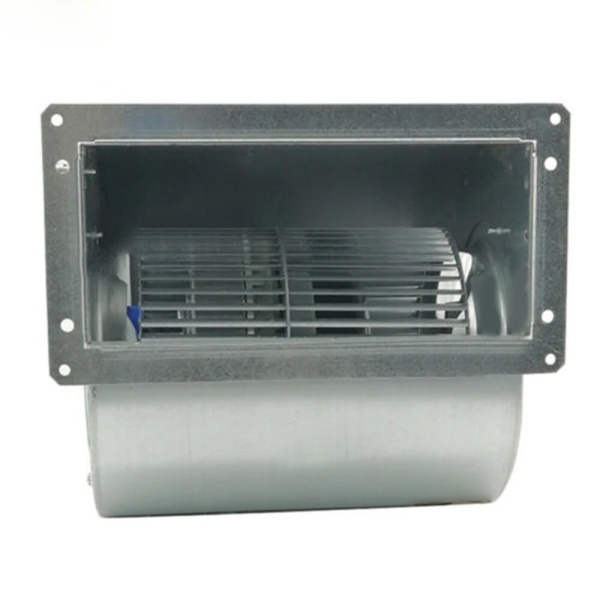
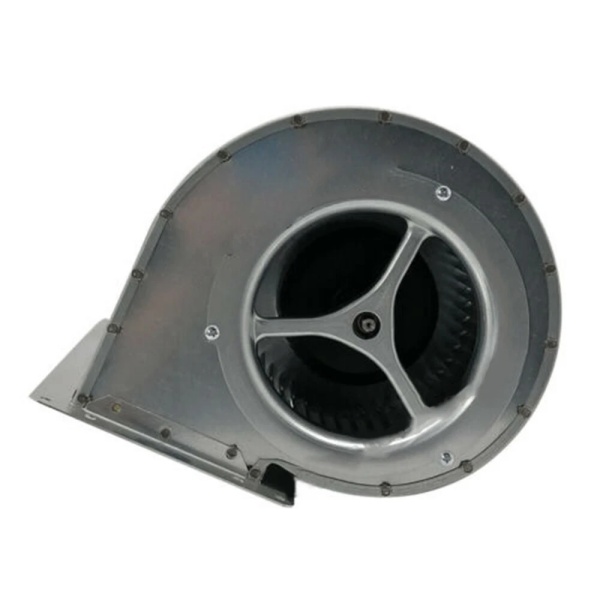
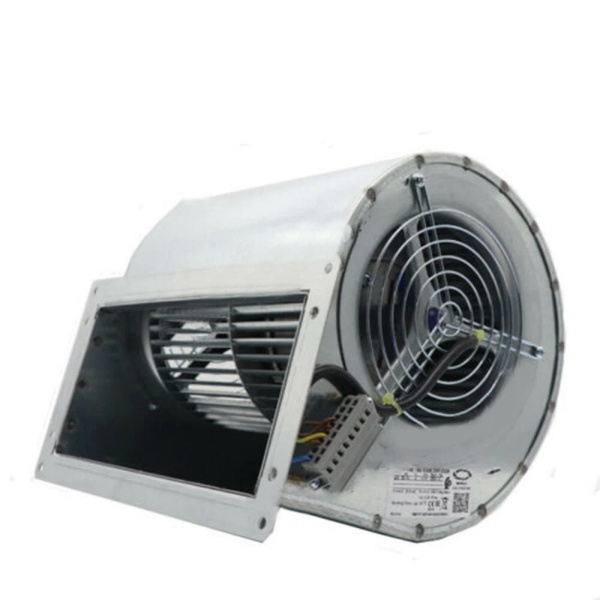
Description
Key Technical Specifications
- Model Number: ABB RF3D-146-180 68973708
- Manufacturer: ABB Industrial Control Division
- Duty Rating: AC-3 (squirrel cage motor starting/stopping), AC-4 (plugging/braking) compatible
- Rated Current: 146A (400V AC), 95A (690V AC)
- Rated Voltage: Up to 690V AC (3-phase)
- Coil Voltage Options: 24VDC, 110VAC ±10%, 220VAC ±10% (factory-configurable)
- Switching Cycles: 10 million mechanical cycles, 1 million electrical cycles (AC-3)
- Arc Suppression: Vented arc chutes with magnetic blowout
- Operating Temperature: -25°C to +60°C (-13°F to +140°F)
- Mounting Type: DIN rail (35mm) or panel mount (screw-on)
- Auxiliary Contacts: 2NO + 2NC (standard), expandable to 4NO + 4NC via add-on blocks
- Certifications: CE, UL 508, IEC 60947-4-1, RoHS 2.0, ATEX Zone 2
- Compatibility: ABB thermal overload relays (TA25DU), motor protection relays (07KP93), 800xA DCS via I/O modules

ABB RF3D-146-180 68973708
Field Application & Problem Solved
In industrial motor control—refinery MCCs, power plant auxiliary systems, manufacturing conveyor lines—generic contactors fail due to inadequate switching capacity, poor arc suppression, and short contact life. A Michigan auto plant lost $75k in a 2-hour outage when a generic contactor’s contacts welded shut, preventing a critical conveyor motor from stopping. Legacy contactors also require frequent replacement: a Pennsylvania paper mill spent $12k/year replacing generic units that failed after 500k switching cycles (vs. 1M+ for this model).
You’ll find this contactor in MCCs across critical applications: 50-200HP pump motors in Texas refineries, cooling tower fans in Florida power plants, and assembly line conveyors in Ohio manufacturing facilities. Its core value is heavy-duty switching reliability + long service life + seamless protection integration. The 146A AC-3 rating and arc suppression chutes eliminated the Michigan plant’s contact welding issues—zero unplanned outages in 5 years. At the paper mill, the 10M mechanical cycle rating reduced replacement costs by 60%, saving $7.2k annually.
For a North Dakota mining facility, the -25°C operating range proved critical—generic contactors seized in cold winters, but the RF3D-146-180 operated reliably for 3 years. Its compatibility with ABB thermal overload relays also simplified a safety upgrade, ensuring compliance with OSHA motor protection standards and avoiding $180k in non-compliance fines.
Installation & Maintenance Pitfalls (Expert Tips)
- Coil Voltage Matching: Don’t Mix AC/DC: Rookies install a 220VAC coil contactor with a 24VDC control circuit, burning out the coil. A Colorado refinery ruined three contactors ($450 total) before verifying the control voltage. Check the coil voltage label (e.g., “Uc=24VDC”) against the control system’s output—order the correct coil variant upfront instead of modifying wiring.
- Mounting Torque: Tighten to 2.5Nm: Loose DIN rail mounting causes vibration-induced contact bounce, leading to premature wear. A Minnesota chemical plant’s contactor failed after 6 months due to loose mounting—we torqued the DIN rail clips to 2.5Nm (per ABB specs) and eliminated bounce. Use a torque screwdriver for consistent tension.
- Arc Chute Inspection: Clean Annually: Dust and debris in arc chutes reduce arc suppression efficiency, causing contact damage. A Texas refinery’s contactor failed to interrupt current after 8 months because of coal dust buildup. Remove the arc chutes annually, clean with compressed air (60psi max), and inspect for cracks—replace damaged chutes immediately.
- Auxiliary Contact Wiring: Avoid Overloading: Using auxiliary contacts to switch 240VAC power (instead of control signals) burns them out. A Florida food processing plant’s contactor lost auxiliary contact functionality after 3 months—we rewired the power circuit to use the main contacts and reserved auxiliaries for control/signaling. Auxiliary contacts are rated for 6A/250VAC (control duty only).
ABB RF3D-146-180 68973708
Technical Deep Dive & Overview
The ABB RF3D-146-180 68973708 is a heavy-duty AC contactor engineered for reliable motor switching in harsh industrial environments. At its core, an electromagnetic coil (DC or AC) energizes to pull in a ferrous armature, closing the three main contacts (silver-nickel alloy for wear resistance) to supply power to the motor. When de-energized, a spring returns the armature to open the main contacts.
Arc suppression is critical for long contact life: vented arc chutes with magnetic blowout redirect and cool arcs generated during switching, preventing contact welding and erosion— a major flaw in generic contactors with basic arc suppression. The contact material (silver-nickel) resists oxidation and maintains low resistance even after millions of cycles.
Unlike generic contactors, this model is designed for system integration: it mates directly with ABB thermal overload relays (TA25DU) for overload protection, and its auxiliary contacts can be expanded to support complex control logic (e.g., interlocks, status feedback). The DIN rail/panel mount flexibility simplifies installation in tight MCC enclosures.
What sets it apart is its balance of durability and compatibility. It’s built to withstand vibration, temperature extremes, and high switching frequencies—common in refineries and manufacturing plants—while integrating seamlessly with ABB’s protection relays and DCS systems. For facilities where motor uptime directly impacts productivity, this contactor isn’t just a switch—it’s a low-maintenance workhorse that ensures reliable motor control for years.