Description
Product Core Brief
- Model: RDCU-12C, OEM Code 3AUA0000036521
- Brand: ABB
- Series: ACS800 Wind Turbine Power Converter Platform
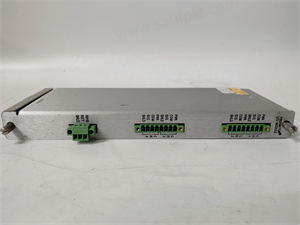
- Core Function: Grid-side converter main control unit executing grid synchronization, voltage regulation, fault protection and DDCS communication for wind turbine ACS800 converters; integrates RMIO-12C I/O interface boardManualsLib.
- Product Type: Grid-Side Drive Control Unit (RDCU Main CPU + RMIO I/O Board Assembly)
- Key Specs: 24VDC logic supply | PPCS fiber optic power link | DDCS multi-channel communication
- Note: Limited OEM residual spare production; factory sealed new units and fully bench-tested surplus stocked for wind farm maintenance.
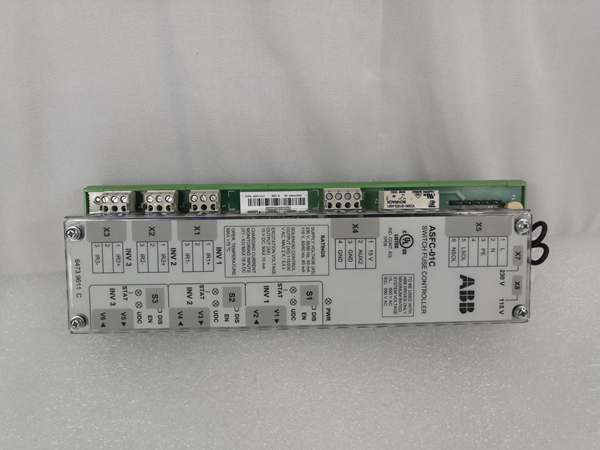
Key Technical Specifications
| Parameter | Value |
|---|---|
| Full OEM Part Identifier | , 3AUA0000036521 |
| Internal Hardware Stack | AM32C CPU board + RMIO-12C analog/digital I/O board |
| Control Supply Voltage | 24 VDC, 19.2–28.8 VDC tolerance |
| Nominal Current Draw | 250 mA base load; max 1200 mA with full DDCS option modules installedeero |
| Power Converter Interface | Dual PPCS 10 MBd fiber optic transceivers (V57 / V68) linking to IGBT power stackseero |
| DDCS Communication Ports | X22 (PC tool), X23 (master-follower), X25 (APPLICATION controller), X26 RS485 panel port |
| Onboard I/O Terminals | 6 digital inputs, 2 analog inputs, 2 analog outputs, 3 relay fault/alarm outputs |
| Compatible Operator Panel | CDP-312R local control keypad via X39 header |
| Built-In Protection Logic | Overvoltage, undervoltage, overcurrent, grid loss, IGBT overtemperature, ground fault trip algorithms |
| Operating Ambient Temp | 0 °C to +60 °C inside converter cabinet (derate above 50 °C)eero |
| Storage Temperature Range | -40 °C to +70 °C |
| Enclosure PCB Rating | Conformal coated, IP00 board-level protection, Pollution Degree 2 |
| Physical Dimensions | 134 mm H × 56 mm W × 70 mm D |
| Net Unit Weight | 330 g |
| Compliance Standards | IEC 61800-3, EN 50081-2, UL508, RoHS |
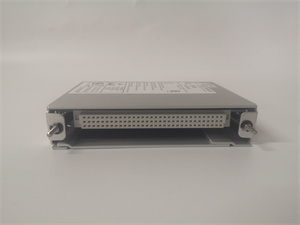
| Expansion Slots | 2 x 38-pin slots for RDCO DDCS fiber communication extension modules |
Product Introduction
This complete assembly acts as the dedicated grid-side control core for ABB ACS800 wind turbine converters, separating grid regulation logic from rotor-side NDCU-33CX control hardware to isolate grid and generator control loopsManualsLib. Fiber PPCS links eliminate electromagnetic interference between low-voltage logic and high-power IGBT stacks common in offshore wind cabinets.
The integrated RMIO-12C board provides hardwired analog/digital signal terminals for grid voltage/current transducers, cooling fan feedback and external fault interlocks. All wind farm grid code compliance algorithms reside onboard, eliminating reliance on external PLCs for low-voltage ride-through and reactive power regulation.
QA & Testing SOP (Transparency Building)
- Incoming Inspection: Cross-reference serial numbers against OEM wind spare registry to reject counterfeit hardware; inspect PPCS fiber transceiver windows, terminal block pins and conformal PCB coating for scratches or salt corrosion; log batch codes and serial IDs for full traceability records.
- Live Testing: Mount the unit to ACS800 converter test rack, supply stabilized 24VDC bench power, load reference wind grid control firmware, run continuous 24-hour cyclic grid simulation and DDCS fiber communication stress testing with master-follower sync cycling.
- Electrical Testing: Use Fluke 115 multimeter and insulation resistance tester to validate chassis ground resistance below 0.5Ω and PCB power-signal insulation resistance above 10MΩ.
- Firmware/Config Backup: Record exact embedded firmware revision via DriveWindow PC tool, photograph onboard DIP switch DDCS node address settings, export full grid protection and power curve parameter datasets to encrypted offline storage.
- Final QC & Packaging: Clean exposed PCB surfaces with anti-static solvent, cap PPCS fiber ports with dust protective covers, seal the unit inside static shielding bag, attach printed QC test tag with technician ID and test runtime timestamp before foam-lined carton packaging for offshore transit.
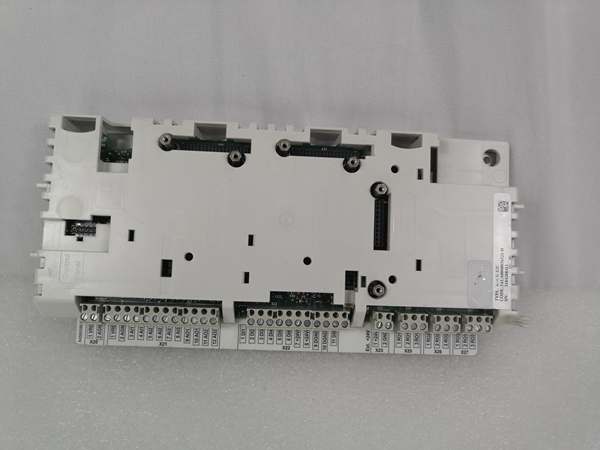
Installation Pitfalls & Guide (Engineer to Engineer)
❗ Firmware Rev Mismatch: Firmware builds newer than site DriveWindow software block PPCS fiber communication and disable grid ride-through logic; cross-check OEM wind converter software compatibility matrix before flashing the unit.❗ PPCS Fiber Cable Contamination: Scratched or dirty fiber end faces create intermittent power stack communication loss, triggering random converter trips; inspect fiber optics with a fiber microscope before installation and label cable ends during disassembly.❗ DIP Switch DDCS Address Conflicts: Duplicate node addressing floods the wind farm DDCS bus with broadcast errors; capture high-resolution photos of original switch layout prior to removal.❗ 24VDC Supply Underrating: The unit draws peak 1.2A with full DDCS expansion modules; shared cabinet 24VDC power supplies with multiple control boards trigger voltage sag and incomplete converter boot sequences.❗ ESD Dangers: Unwristed technician contact with exposed CPU PCB traces corrupts wind grid protection firmware; field service logs show ungrounded handling destroyed this board with over $3,400 in hardware and wind turbine downtime labor costs.
4-step replacement guide:
- Pre-install: De-energize full converter cabinet 24VDC supply, lock out turbine upstream breaker, fit certified anti-static wrist strap, photograph I/O wiring, PPCS fiber routing, DDCS cabling and DIP switch positions.
- Removal: Unplug all fiber PPCS transceivers, disconnect screw terminal analog/digital I/O wiring, detach CDP-312R panel cable, release rack slide latches and slide the unit fully out of the converter slot.
- Install: Align the new unit’s backplane header with the rack bus, lock mounting latches, replicate original DIP switch DDCS addressing, clean fiber cable end faces and reterminate all communication and I/O wiring.
- Power-on Test: Restore cabinet 24VDC power, upload matching wind converter firmware and grid parameter set, execute full PPCS power stack communication scan and run 30-minute steady-state grid regulation test with manual DDCS master-follower failover verification.
FAQ (Frequently Asked Questions)
Q: Can directly replace NDCU-33CX rotor-side control hardware?A: No. Firmware, PPCS fiber pin mapping and control algorithm libraries are exclusive to grid-side converter operation; zero cross-compatibility with rotor-side NDCU racks, mechanical form factor differs slightly.Q: Does the unit support hot-swapping while the wind turbine remains grid-connected?A: Hot-swapping is fully unsupported. Removing the board mid-operation cuts all grid-side IGBT firing signals, triggering immediate turbine trip and grid voltage disturbance; full cabinet power shutdown is mandatory for replacement.Q: What warranty coverage applies to stocked hardware?A: Remaining factory-new OEM spares carry a 12-month manufacturer warranty covering CPU, RMIO I/O and fiber transceivers. Bench-tested surplus inventory ships with a 6-month functional warranty; physical damage from salt corrosion, miswiring or ESD voids all coverage terms.Q: Has ABB issued an official EOL notice for this hardware?A: Formal end-of-production status applies; OEM no longer manufactures new batches, only limited residual surplus stock is available for legacy wind turbine fleets. Verify with OEM datasheet for modern ACS880 wind converter control upgrade alternatives.Q: Will wind grid protection and power curve parameters persist after swapping the unit?A: Grid ride-through curves, reactive power setpoints and fault thresholds do not store natively on the hardware. Back up the full parameter database from the old board before removal and re-download to the new unit post-install; firmware mismatches corrupt parameter upload sequences.Q: What DDCS expansion modules are compatible with the two onboard slots?A: Valid accessories include RDCO-02C fiber DDCS adapters for long-distance master-follower turbine communication. Cross-reference the wind hardware manual for maximum channel count and baud rate limits.Q: Can this unit operate for general industrial motor drives outside wind power assets?A: Native firmware is hard-coded exclusively for wind turbine grid synchronization and low-voltage ride-through control algorithms. Repurposing for standard motor drive control requires custom firmware rework which ABB does not authorize or provide technical support for.