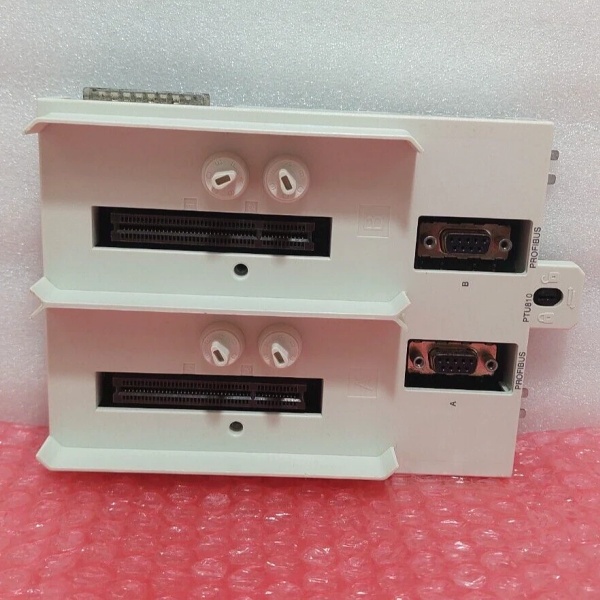
Description
Key Technical Specifications
- Model Number: PTU810A
- Manufacturer: ABB Industrial Automation Division
- Input Type: Pressure (gauge/absolute) or differential pressure (0-10kPa to 0-40MPa)
- Output Signal: 4-20mA DC (2-wire) + HART 7 (digital communication)
- Measurement Accuracy: ±0.075% of full scale (FS) at reference conditions
- Operating Voltage: 12-42VDC (loop-powered via 4-20mA circuit)
- Isolation Rating: 1kV AC (input circuits to backplane)
- Operating Temperature: -25°C to +65°C (-13°F to +149°F)
- Process Temperature Range: -40°C to +125°C (compatible with remote seals)
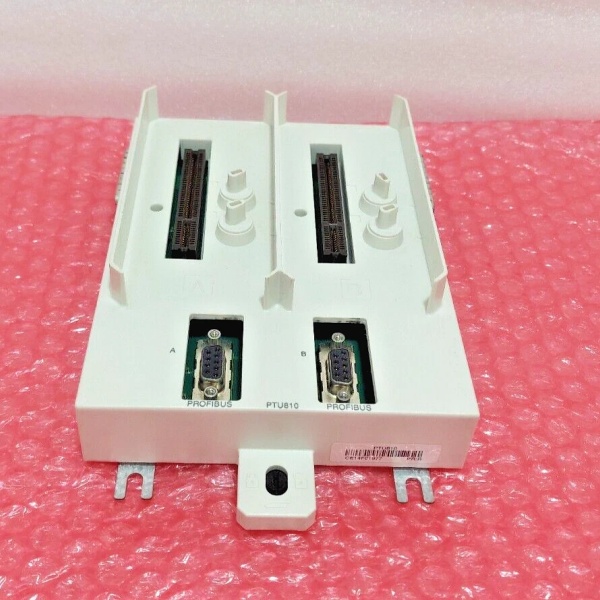
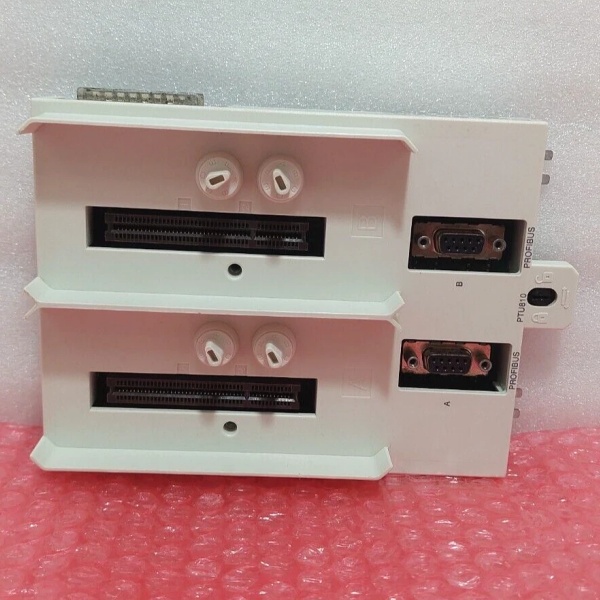
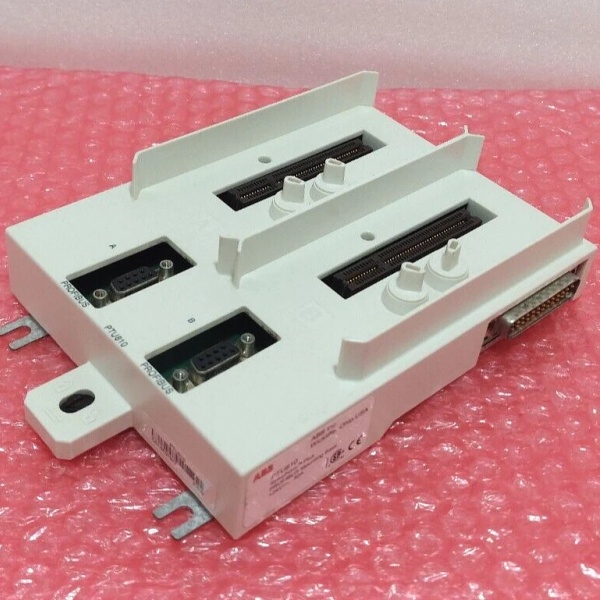
- Mounting Type: Rack-mount (S800 I/O rack, 2U height), plug-in module
- Certifications: CE, UL 508, ATEX Zone 2, RoHS 2.0, IEC 61131-2, HART 7 compliant
- Compatibility: ABB AC800M DCS, S800 I/O racks (IM801/IM810), Control Builder M software
- Diagnostic Capability: HART-based fault detection (overrange/underrange, wiring faults), drift monitoring, self-calibration alerts

ABB PTU810A
Field Application & Problem Solved
In industrial pressure measurement—refinery crude oil pipelines, power plant boiler drum pressure, chemical reactor differential pressure—generic transmitters fail due to poor compatibility with ABB AC800M DCS, inaccurate readings under harsh conditions, and limited diagnostic capabilities. A Texas refinery lost $120k in a 3-hour outage when a generic transmitter gave false low-pressure readings, triggering an unnecessary pump shutdown. Legacy transmitters also suffer from hidden faults: a Pennsylvania chemical plant spent $18k annually replacing off-brand units that failed without warning—critical for processes where pressure deviations can cause equipment damage.
You’ll find this transmitter unit in S800 I/O racks across mission-critical applications: monitoring pipeline pressure in refinery distribution systems, measuring boiler feedwater pressure in coal plants, and tracking reactor differential pressure in pharmaceutical facilities. Its core value is ABB-native integration + lab-grade accuracy + HART diagnostics. The direct S800/AC800M compatibility eliminates gateway errors, while HART 7 support enables remote configuration and fault detection—no need to access the physical module in tight control panels. For an Alaskan natural gas plant, the -25°C operating range ensured reliable pressure readings in remote wellhead control systems, unlike generic transmitters that froze in sub-zero temperatures.
Installation & Maintenance Pitfalls (Expert Tips)
- Wiring: Use Shielded 2-Wire Cable for Noise Immunity: Rookies use unshielded cables, leading to signal interference from VFDs or motors. A Michigan paper mill’s pressure readings fluctuated by ±5% until shielded cable was installed. Use ABB’s 1SFL500002R0001 2-wire shielded cable and ground the shield at the DCS end only.
- Calibration: Match Range to Process Requirements: Rookies use the transmitter’s full range instead of scaling to the process (e.g., using 0-10MPa range for a 0-2MPa process), reducing accuracy. A Florida food processing plant’s tank pressure control was erratic until the PTU810A was calibrated to the actual process range via HART. Use ABB’s Field Communicator or Control Builder M to scale the range.
- Torque Process Fittings: Don’t Over-Tighten: Excessive torque on pressure connections damages the sensor diaphragm, causing drift. An Ohio steel mill’s transmitter gave inaccurate readings after installation until the fitting was re-torqued to ABB’s specified 15Nm. Use a torque wrench and follow process piping standards (ANSI/ASME B16.10).
- HART Configuration: Sync with DCS Tags: Rookies forget to map HART variables (e.g., pressure units, fault status) to DCS tags, losing diagnostic visibility. A North Carolina refinery missed a transmitter drift alert until HART data was integrated into the 800xA HMI. Ensure all critical HART parameters are mapped during commissioning.
- Cable Gland Sealing: Prevent Moisture Ingress: Unsealed cable glands allow water into the module, causing short circuits. A Louisiana chemical plant’s PTU810A failed during a rainstorm due to poor sealing. Use ABB’s IP65-rated cable glands and apply thread sealant for outdoor or humid environments.
ABB PTU810A
Technical Deep Dive & Overview
The ABB PTU810A is a dedicated pressure/differential pressure transmitter unit engineered to convert physical pressure signals into industry-standard 4-20mA DC output with HART 7 digital communication, designed for seamless integration with ABB’s AC800M DCS and S800 I/O systems. At its core, a precision piezoresistive sensor converts pressure into an electrical signal, which is amplified, linearized, and converted to 4-20mA by a 16-bit ADC. The HART 7 interface enables bidirectional communication—technicians can remotely configure the transmitter, adjust range, and monitor diagnostics without interrupting the process.
Unlike generic transmitters, the PTU810A features 1kV AC isolation between the input circuit and S800 backplane, blocking electrical interference from industrial noise sources. It plugs directly into S800 I/O racks, eliminating the need for external signal converters or gateways. The module’s rugged design includes a conformal-coated PCB to resist dust and humidity, while the wide operating temperature range (-25°C to +65°C) ensures reliability in unconditioned control cabinets.
What sets it apart is its HART diagnostic capabilities: it continuously monitors for faults (e.g., open circuits, overpressure, sensor drift) and transmits alerts to the DCS, enabling predictive maintenance. For facilities where pressure accuracy and reliability directly impact process safety and efficiency, the PTU810A isn’t just a measurement module—it’s a robust, diagnostic-rich solution that keeps industrial processes within critical pressure limits, while integrating seamlessly with ABB’s control ecosystem.