Description
Product Core Brief
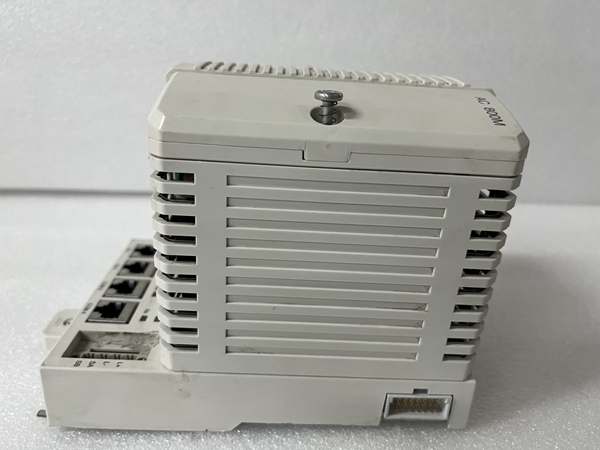
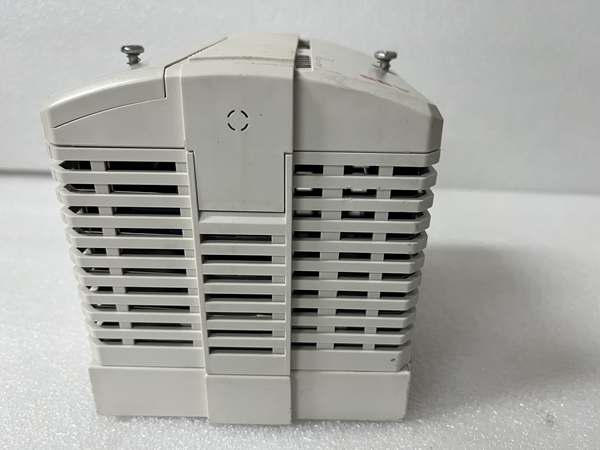
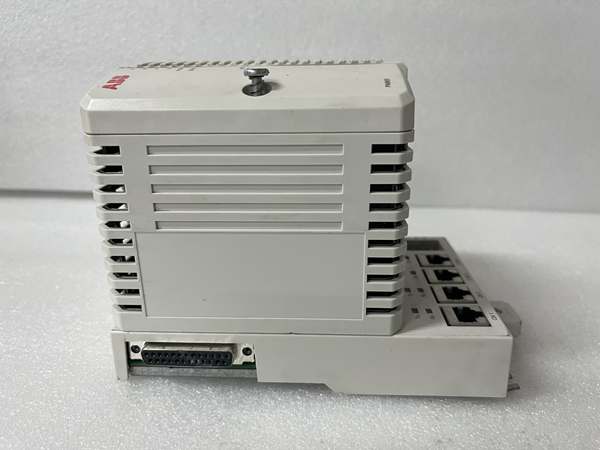
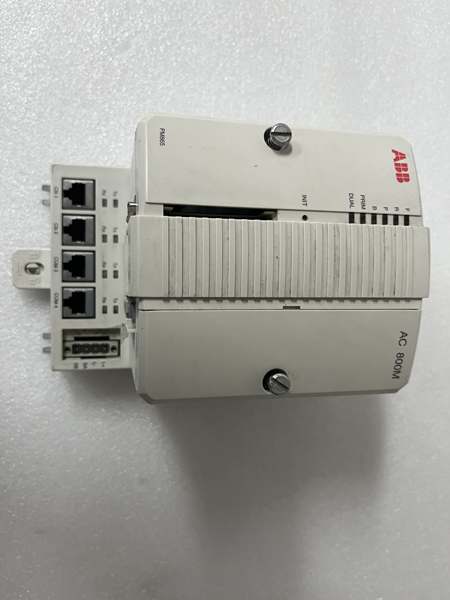
- Model: PM865K01 3BSE031151R1
- Brand: ABB
- Series: AC800M
- Core Function: Executes control logic, handles fieldbus communication and real-time process data processing for distributed control systems.
- Product Type: DCS CPU Controller Module
- Key Specs: 24 VDC power supply | Supports Profibus DP / Modbus TCP | IEC 61131-3 programming compliant
- Note: Still active OEM production, new original units regularly stocked as replacement hardware.
Key Technical Specifications
- Operating supply voltage: 24 VDC, tolerance range 19.2 VDC to 30 VDC
- Standard control cycle scan speed: Minimum 0.4 ms base cycle
- Program memory capacity: 16 MB user logic storage
- Data memory capacity: 8 MB real-time process data buffer
- Supported communication protocols: Profibus DP, Modbus TCP, Ethernet IP, RS485 serial
- Compliance standard: IEC 61131-3 programming standard
- Operating ambient temperature: 0 °C to +60 °C rack-mounted
- Storage temperature range: -40 °C to +85 °C
- Backplane interface: AC800M standard unit rack bus
- Overvoltage protection: Built-in 36 VDC transient suppression circuit
Product Introduction
This ABB processing unit acts as the central logic core for AC800M distributed control racks, executing user-defined control programs and mediating all communication between I/O modules and supervisory HMI nodes. It handles analog regulation, interlock logic and sequence control without relying on external auxiliary processing hardware.
Its fixed minimum scan cycle delivers consistent real-time response for high-speed manufacturing and power plant process loops, eliminating variable latency seen in lower-tier controller variants.
QA & Testing SOP
- Incoming Inspection: Cross-reference serial numbers against OEM part registry to flag counterfeit hardware; inspect PCB traces, connector pins and casing for transport scratches or water damage; log full part labels and batch codes for traceability.
- Live Testing: Mount the unit to a matching backplane, supply regulated 24VDC bench power, load test project logic and run continuous 24-hour communication handshake with Profibus DP slave I/O racks.
- Electrical Testing: Use Fluke 115 multimeter and insulation tester to verify chassis grounding resistance below 0.5Ω and PCB insulation resistance above 10MΩ between power and signal circuits.
- Firmware/Config Backup: Capture exact installed firmware revision via Control Builder M, photograph DIP switch positions on the circuit board, export program backup files to secure offline storage.
- Final QC & Packaging: Wipe PCB surfaces with anti-static cleaner, seal inside static shielding bag, attach printed QC test tag with timestamp and test technician ID before carton packaging.
Installation Pitfalls & Guide
❗ Firmware Rev Mismatch: Loading a firmware version newer than the site’s Control Builder M software blocks backplane communication; always match firmware revision to the workstation programming tool version before powering the unit.❗ DIP Switch/Jumper Errors: Failure to replicate exact DIP switch positions from the old unit breaks rack node addressing; take high-resolution photos of the original board prior to removal.❗ Wiring Incompatibilities: Older backplane variants have altered pin assignments for auxiliary power; cross-check terminal pinout against the 3BSE031151R1 datasheet before terminating cables.❗ Power Draw Changes: This unit draws 1.2A peak current; miscalculating rack power budget leads to under-voltage faults during simultaneous module startup.❗ ESD Dangers: Unprotected hand contact with exposed PCB traces causes silent gate damage; multiple field cases show ungrounded technicians destroyed this controller variant costing over $1,800 in replacement labor and hardware.
4-step replacement guide:
- Pre-install: Power down the full rack, ground wrist strap, photograph original DIP switches and wiring terminals.
- Removal: Unlatch rack retaining clips, disconnect fieldbus and power wiring, slide the unit out of the backplane slot.
- Install: Align the new controller’s backplane connector, lock mounting latches, replicate original wiring and switch settings.
- Power-on Test: Restore rack power, upload matching firmware, execute a full bus scan to confirm all I/O nodes register without timeout errors.
FAQ
Q: What price range applies to this controller?A: Pricing fluctuates based on stock quantity and order volume; new original units carry higher cost than tested surplus inventory. Request a formal quote with target delivery lead time for exact unit pricing.
Q: Does the device support hot-swapping during live process operation?A: Hot-swapping is not supported. The backplane shared bus loses synchronization when the core CPU is removed mid-operation, triggering full rack fault alarms and process interlock trips. Full rack shutdown is mandatory for replacement.
Q: What warranty coverage comes with stocked units?A: New original factory hardware carries OEM standard 12-month factory warranty. Tested surplus inventory ships with a 6-month functional testing warranty; physical damage from field misinstallation voids coverage in both cases.
Q: Is this unit marked obsolete with an official ABB end-of-life notice?A: No official EOL documentation has been issued for the module; OEM still produces factory-new replacements for existing site expansions and breakdown maintenance.
Q: Will existing control logic files retain after swapping the controller?A: Program logic does not store natively on the hardware. You must back up the project from the old unit before removal and re-download the full logic set once the new controller is installed. Firmware mismatches corrupt project uploads.
Q: What communication cards pair with this controller?A: Compatible accessory hardware includes Profibus DP slave modules, Modbus TCP Ethernet adapters and RS485 serial interface cards validated for the rack platform. Verify with OEM datasheet for full accessory compatibility lists.
Q: Can this unit handle redundant master control rack configurations?A: Yes, dual redundant rack setups are supported when paired with a second identical controller and dedicated redundancy bus cables; redundant logic synchronization requires matching firmware revisions on both controllers in the rack pair.