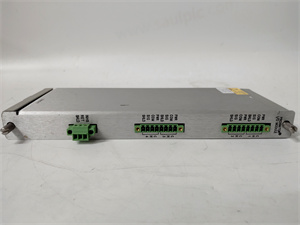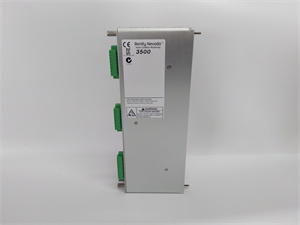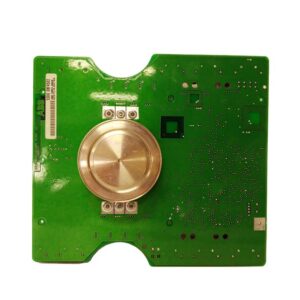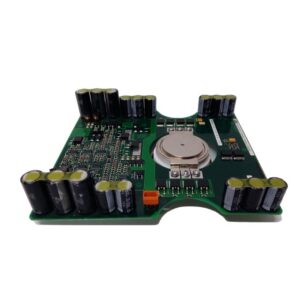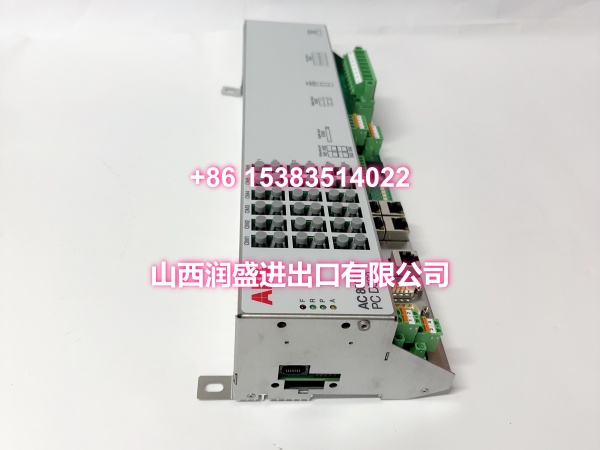
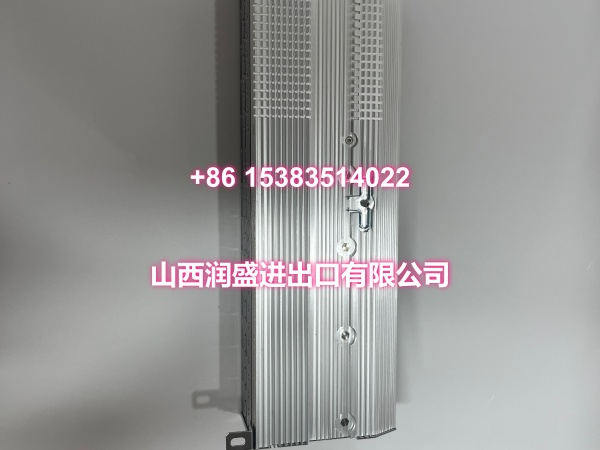
Description
Product Core Brief
- Model: PCD530A102 3BHE041343R0102
- Brand: ABB
- Series: AC 800PEC / UNITROL 6000
- Core Function: Excitation control module (CCM) for UNITROL 6000 static excitation systems, regulating synchronous generator field current and terminal voltage.
- Product Type: Excitation Controller / Control & Communication Module
- Key Specs: AC 800PEC platform | 24 V DC excitation drive output | 10 V DC excitation current monitoring output | -40 °C to +70 °C operating range
- Condition: New Original / New Surplus (verify per listing)
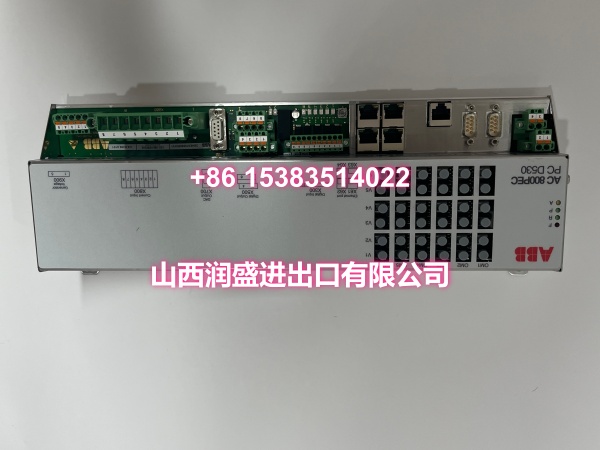
Key Technical Specifications
| Parameter | Specification |
|---|---|
| Part Number | 3BHE041343R0102 |
| Product Model | |
| Platform | ABB AC 800PEC |
| Application Family | UNITROL 6000 Static Excitation System |
| Product Type | Excitation Control Module (CCM) |
| Processor | 32-bit CPU, 128 MB RAM (platform class) |
| Control Cycle | Down to 100 µs (AC 800PEC platform capability) |
| Drive Output | 24 V DC for excitation winding |
| Monitoring Output | 10 V DC for excitation current monitoring |
| Communication | Ethernet, fieldbus via CEX/Anybus-S, optical S800 ModuleBus |
| Fiber-Optic Links | Bidirectional optical links to I/O and gate units |
| Operating Temp | -40 °C to +70 °C |
| Dimensions (D × H × W) | 380 mm × 73.5 mm × 142 mm |
| Net Weight | ~1.54 kg |
| Typical Applications | Hydro/thermal/nuclear generators, marine gensets, industrial synchronous motors |
Note: Exact firmware variant, I/O mapping, and communication options depend on the loaded application image. Always cross-check against your existing nameplate and project documentation.
Product Introduction (No Fluff)
This is an excitation control module for ABB’s UNITROL 6000 static excitation system, built on the AC 800PEC platform. It regulates synchronous generator field current, maintains terminal voltage within setpoints, and provides real-time monitoring—keeping the generator stable under load swings, grid disturbances, and startup transients.
What sets it apart is the microsecond-level control cycle combined with dedicated 24 V DC drive output and 10 V DC monitoring output. Unlike a general-purpose PLC, this module is purpose-built for excitation duty, with the processing headroom to run closed-loop PID, protection logic, and communication tasks in a single chassis. For MRO buyers, it’s a direct OEM replacement path for a critical spare that can mean the difference between a planned outage and a forced trip.
QA & Testing SOP (Dynamic & Transparent)
Every unit goes through this bench routine before dispatch:
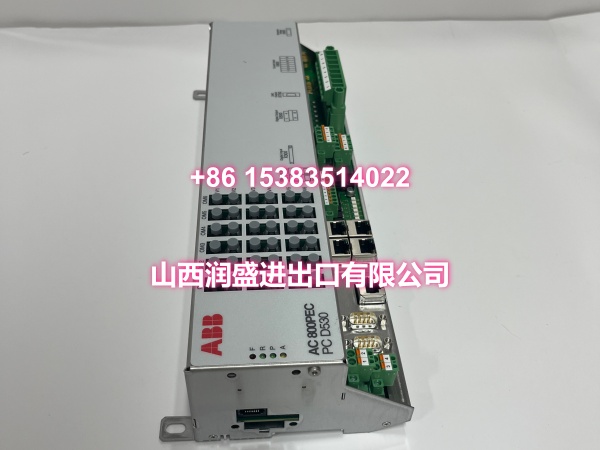
- Visual & authenticity inspection — PCB revision, ABB label, serial number, and connector pins checked under magnification. Re-labeled or counterfeit excitation modules are a known surplus risk.
- Cold-boot & firmware capture — Module powered on a test backplane; boot sequence, firmware version, and error counters logged.
- Power-rail validation — Input voltage checked across operating range; ripple and current draw measured with a calibrated Fluke multimeter. Redundant supply switchover verified where applicable.
- Drive & monitoring output check — 24 V DC excitation drive output and 10 V DC monitoring output verified under no-load conditions with a multimeter.
- Communication handshake — Ethernet and fieldbus interfaces tested for link-up and protocol response. Optical S800 ModuleBus ports checked for TX activity.
All units ship in anti-static bags with foam support. A printed test log is available on request.
Installation Pitfalls & Guide (Engineer to Engineer)
❗ Firmware is part of the part number. A PCD530A102 loaded with UNITROL 5000 firmware won’t behave like one programmed for UNITROL 6000. Match the firmware variant and parameter set before commissioning.
❗ Don’t hot-swap unless the rack is certified for it. The AC 800PEC backplane carries active bus lines; pulling a live excitation controller can corrupt the node table or damage backplane pins.
❗ Fiber polarity and wavelength matter. TX→RX, RX→TX. And don’t mix 820 nm and 1300 nm optics—they won’t talk, even if the connector fits.
❗ Ground reference on dual supplies. If redundant DC feeds come from different ground references, you’ll see intermittent communication faults or false trips. Tie grounds to a single reference point.
Replacement steps:
- Pre-install — Back up the existing project and parameter set. Note firmware version, DIP switch settings, and fiber patch labels.
- Removal — Power down the rack if hot-swap is not certified. Release locking clips and pull straight out—no rocking.
- Install — Seat firmly into the backplane slot. Verify pin alignment. Reconnect fiber and communication cables exactly as labeled.
- Power-on test — Apply power, confirm boot, verify firmware version, run I/O checks, and perform a controlled AVR test before returning the generator to service.
Technical FAQ
Can I buy a single unit for an emergency replacement? Yes. Single units are available for MRO replacements. Project quantities can be quoted with lead-time options. Send us your required quantity and urgency.
What warranty do surplus parts carry? Standard surplus stock carries a 30–90 day functional warranty depending on condition grade. New original units follow OEM terms. We state this upfront—no surprises after installation.
Is this a direct drop-in replacement for my existing PCD530A102? Hardware-wise, yes—same part number, same slot. But firmware is the critical variable. A unit from a different UNITROL application may need a firmware reload and parameter import. Treat firmware version as part of the ordering spec.
Is this part still available from ABB, or is it obsolete? The AC 800PEC platform remains in active service across power generation installations, but specific controller variants may be long-lead or phased. Surplus and new-old-stock are practical sourcing routes for many sites today.
Can I use this for both hydro and thermal generator excitation? The hardware can support both, but the firmware and parameter sets are application-specific. A hydro-tuned AVR with different PID gains and protection settings won’t behave correctly on a thermal unit without proper reconfiguration. Always match the firmware to your generator type and excitation system model.