Description
Product Core Brief
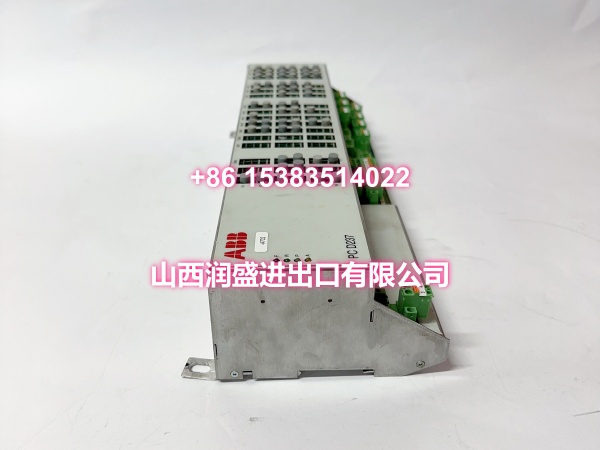
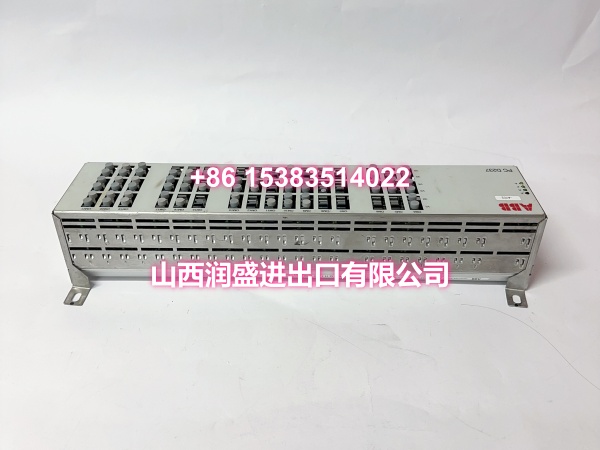
- Model: PC D237A101 3BHE028915R0101
- Brand: ABB
- Series: AC 800PEC / PEC80-CIO, commonly used in UNITROL 6000 excitation systems
- Core Function: High-speed combined processor and I/O controller for generator excitation and power-electronics applications.
- Product Type: PEC80-CIO combined I/O controller module
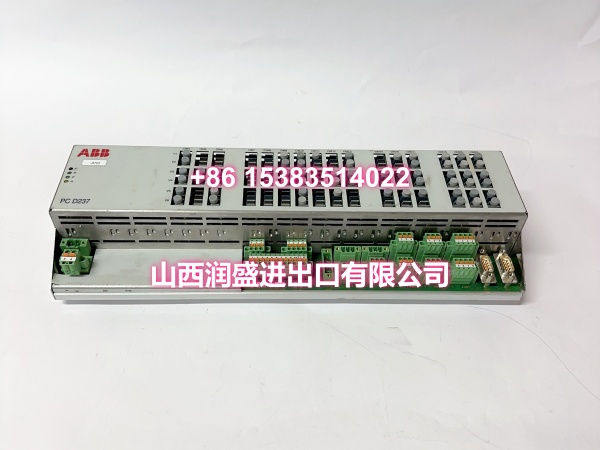
- Key Specs: 12 DI 24/48 VDC | 16 relay DO 250 VAC/10 A | 3 AI ±10 V/±20 mA | 3 AO ±10 V | 3 optical links | Ethernet + RS485 Modbus | Redundant 24 VDC
- Condition: New Original / New Surplus
Key Technical Specifications
- Order code: 3BHE028915R0101
- Product designation: PC D237A101 / PEC80-CIO combined I/O controller
- Platform: AC 800PEC / PEC80; typical use in UNITROL 6000 excitation control
- Digital inputs: 12 isolated DI, 24 VDC / 48 VDC
- Digital outputs: 16 relay outputs, 250 VAC / 10 A
- Analog inputs: 3 channels, ±10 V / ±20 mA
- Analog outputs: 3 channels, ±10 V
- Temperature sensor inputs: 3 channels for PT100 / PTC
- Optical links: 3 fiber-optic channels for gate-unit and controller communication
- Communications: Industrial Ethernet, RS485 Modbus, front-panel debug port
- Power supply: Redundant 24 VDC input
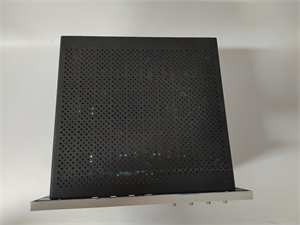
- Integrated hardware: PEC80-CU control module, PEC80-PM processor, PEC80-PS power section, UF D202A optical module
- Operating temperature: -25°C to +70°C
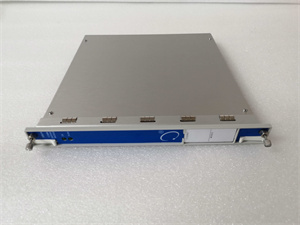
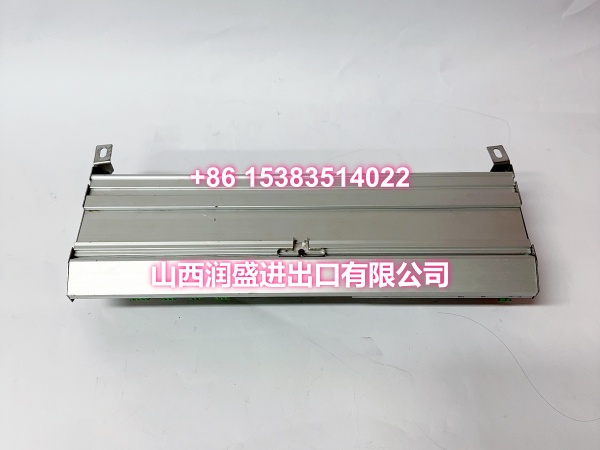
- Mounting: Rack/rail plug-in module, metal housing
- Typical origin: Switzerland / Thailand
Product Introduction
The PC D237A101 3BHE028915R0101 is a high-speed PEC80-CIO controller built on the AC 800PEC platform. It combines the processor, power supply, I/O, and optical communication in one module, making it a common core unit for UNITROL 6000 excitation systems and other power-electronics applications.
What sets it apart from a plain I/O card is the FPGA-assisted processing and three optical links. That architecture supports sub-millisecond control loops, noise-immune fiber communication to gate units, and deterministic response where timing matters more than generic PLC flexibility.
QA & Testing SOP
Because this is a live controller with processor and optical hardware, we do not ship it as an untested surplus board.
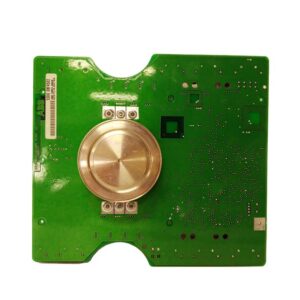
- Visual and anti-counterfeit inspection: Confirm order code 3BHE028915R0101, PCB revision, connector integrity, and label consistency. Check for rework, mismatched serials, or non-OEM components.
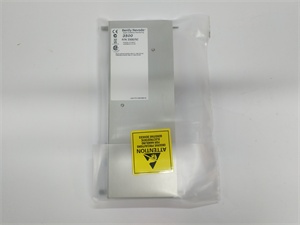
- ESD-safe handling: Anti-static bag, grounded mat, and insulated tray. The optical module interfaces and Ethernet ports are especially sensitive to static and mechanical stress.
- 24 VDC power-up test: Apply redundant 24 VDC and monitor start-up sequence, LED status, and supply current. No abnormal heating or supply instability during idle run.
- I/O channel check: Verify DI status reads, relay DO actuation, AI scaling on ±10 V/±20 mA, AO output presence, and PT100/PTC input visibility. Full loop calibration requires the project configuration.
- Communications and optical link check: Confirm Ethernet link, RS485 Modbus port presence, and optical module visibility. Firmware version is logged, but firmware matching remains the integrator’s responsibility.
Installation Pitfalls & Guide
❗ This is not a generic I/O replacement. The PC D237A101 contains the processor, power section, and optical communication stack. Wrong firmware or missing project data will prevent normal operation even if the module powers up.
❗ Verify optical link routing before energizing. The three fiber channels must match the cabinet drawings. Swapping TX/RX fibers or using the wrong patch type can look like a controller fault when it is actually a physical-layer issue.
❗ Check redundancy configuration carefully. If the system runs dual controllers, confirm primary/secondary roles, sync links, and failover logic before swapping hardware. A blind replacement can trigger an unwanted switchover.
❗ Protect the 24 VDC supply. Reverse polarity, weak supplies, or shared ground faults can prevent start-up or cause intermittent trips in excitation panels.
Replacement steps:
- Pre-install: Back up the project, record firmware versions, tag fiber and I/O cables, and confirm 24 VDC health.
- Removal: Isolate power if permitted, disconnect I/O, Ethernet, RS485, and optical links, then release mounting hardware.
- Install: Seat the replacement firmly, reconnect all links, and verify 24 VDC wiring and fiber polarity.
- Power-on test: Energize, check LEDs, confirm communications, download or verify the configuration, and test channels under supervision.
Technical FAQ
Is this module compatible with my existing UNITROL 6000 cabinet?
If the cabinet uses PC D237A101 3BHE028915R0101, it is the correct order code. Still verify firmware, project data, optical link assignments, and redundancy settings before commissioning.
Can it replace a PCD235A101 or PCD232A?
Not automatically. PCD232A, PCD235A101, and PCD237A101 have different hardware roles and I/O arrangements. Substitution requires a cross-check against the cabinet drawings, I/O list, and AC 800PEC configuration.
Do you offer price flexibility?
Yes. Pricing depends on condition, firmware visibility, quantity, and urgency. New original stock and tested surplus units are quoted separately.
What warranty is included?
Typical coverage is 12 months from delivery for functional defects, excluding project configuration, firmware issues, or damage from incorrect installation. Final terms are confirmed on the quotation.
Is this part obsolete?
It remains a recognized component for AC 800PEC-based excitation and power-electronics systems, but availability depends on stock. For long-term planning, confirm whether your system supports newer PEC80 revisions or migration paths.