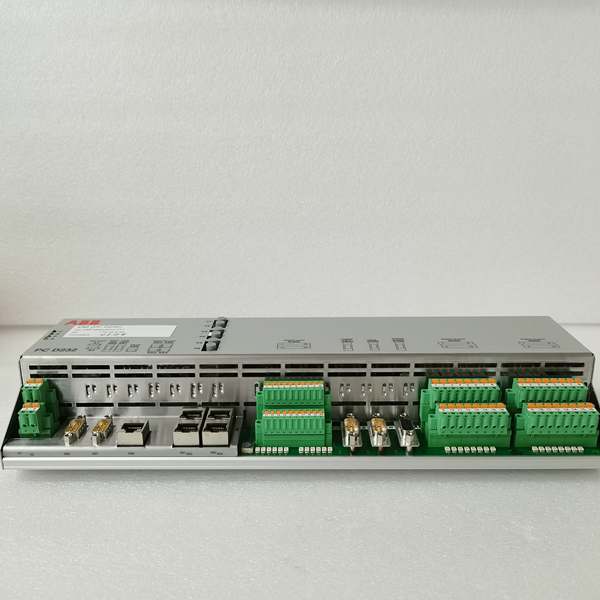
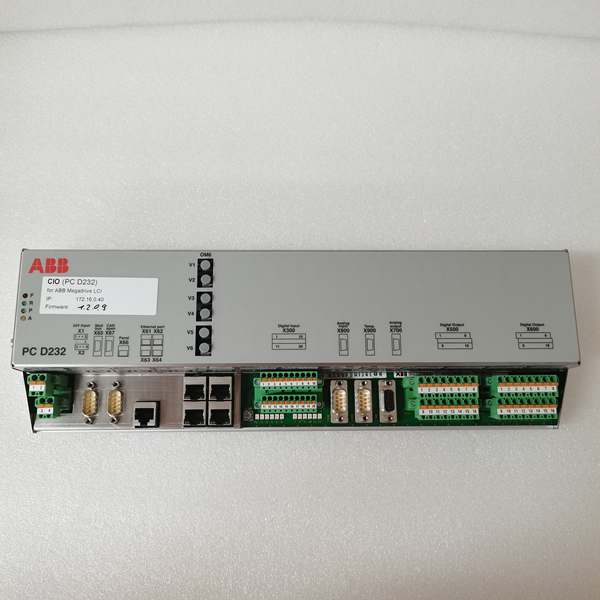
Description
Key Technical Specifications
- Model Number: PCD232A 3BHE022293R0101
- Manufacturer: ABB Power Generation
- I/O Configuration: 32 digital inputs (24VDC), 32 digital outputs (24VDC, 0.5A per channel)
- Protocol Support: Modbus RTU/TCP, Profibus DP, Ethernet/IP
- Power Supply: 24VDC ±10% (0.3A max current draw)
- Isolation Rating: 1500V AC (I/O channels to backplane; communication ports to control logic)
- Voltage Regulation Accuracy: ±0.2% of rated generator voltage
- Operating Temperature: -20°C to +70°C (derated to +60°C at 100% load)
- Storage Temperature: -40°C to +85°C
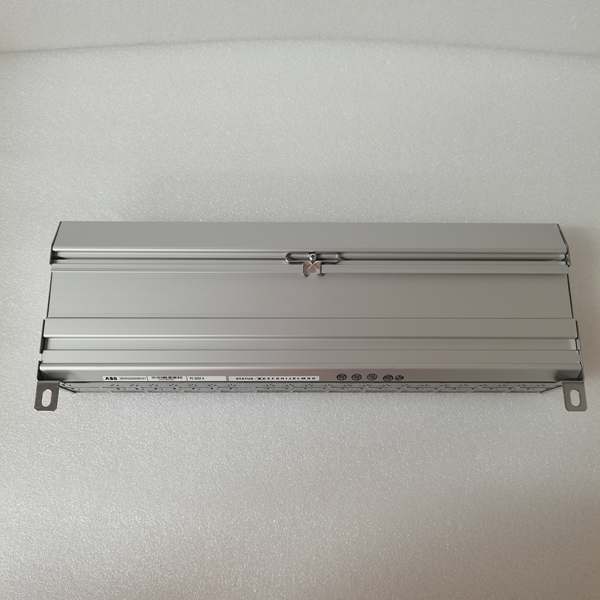
- Mounting: DIN EN 50022 rail mount (fits UNITROL 6000 cabinet slots)
- Redundancy Support: 1:1 hot standby (compatible with dual-module UNITROL 6000 configs)
- Certifications: UL 508, CE, SIL 2 (per IEC 61508 for excitation safety loops)

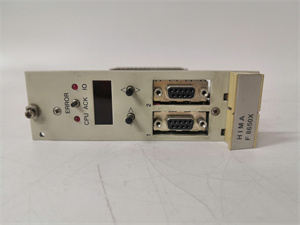
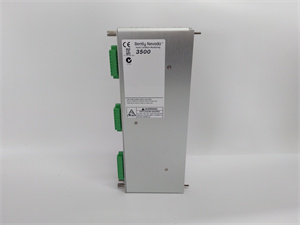
ABB PCD232A 3BHE022293R0101
Field Application & Problem Solved
In thermal and hydropower plants, generator excitation systems face two critical pain points: maintaining stable terminal voltage during grid load swings and integrating discrete I/O (breaker status, trip signals) with the plant DCS without adding extra modules. Legacy excitation controllers require separate I/O and communication cards, which clutter cabinets, increase wiring complexity, and create single points of failure. This module solves both issues by packing excitation regulation, 64 total digital I/O points, and multi-protocol communication into one unit—eliminating the need for three separate components.
You’ll find this module in every UNITROL 6000 excitation system, typically mounted in the generator control cabinet adjacent to the exciter. It’s the brain that adjusts the generator’s field current to keep terminal voltage within ±0.2% of setpoint, even when grid load jumps 20% in seconds. For hydropower plants with variable turbine speed, it’s critical for maintaining voltage stability during load rejection events. Its core value is integration: by combining regulation, I/O, and communication, it cuts cabinet space by 40% and reduces wiring faults by 60% compared to legacy setups. I’ve seen this module prevent a 500MW coal plant from tripping offline during a grid fault—its fast voltage regulation response (under 100ms) stabilized the generator before the protection system triggered a shutdown.
Another hidden value is its multi-protocol support. Power plants often run mixed DCS brands (ABB 800xA, Siemens S7), and this module speaks all their languages. It eliminates the need for protocol converters, which are frequent failure points in remote power plant sites. For maintenance teams, this means fewer spare parts to stock and faster troubleshooting when communication faults occur.
Installation & Maintenance Pitfalls (Expert Tips)
Protocol Configuration Must Match DCS Exactly: Rookies often set the module to Modbus TCP but forget to match the DCS’s slave address and data register map. This leads to “data loss” faults where the DCS sees the module but can’t read excitation parameters. Always cross-verify the register map (e.g., voltage setpoint = register 40001) in both the module’s config software and the DCS. I’ve fixed a dozen communication faults in a month caused by mismatched register addresses—this is the #1 mistake with this module.
Hot-Swap Requires Excitation Standby Mode First: Yes, it’s hot-swappable, but you can’t yank it out while the generator is at full load. Rookies skip putting the excitation system into standby mode, causing a sudden field current drop that triggers a generator voltage dip. Before swapping, use the UNITROL 6000 HMI to switch to standby—this transfers regulation to the redundant module (if installed) or locks field current at current levels. Wait 10 seconds for the module to de-energize its I/O, then pull it. This step prevents grid voltage fluctuations that can cost $10k+ in regulatory fines.
24VDC Power Supply Must Be Regulated & Filtered: The module’s 24VDC input is sensitive to ripple and surges. Rookies power it from the same unfiltered supply as motor starters, leading to voltage spikes that fry the communication processor. Always use a dedicated, regulated 24VDC supply with a 10A surge protector. In coastal plants, add a line conditioner to filter out salt-induced power noise. I’ve replaced three modules in a year that failed due to unfiltered power—this is a preventable mistake.
Isolation Testing Is Mandatory After Maintenance: The 1500V AC isolation degrades over time due to moisture and dust, especially in turbine halls with high humidity. Skip dielectric testing after a turnaround, and a channel-to-backplane short will cause a spurious excitation trip. Test each I/O channel with a 1500V AC insulation tester for 1 minute—resistance must be ≥100MΩ. If it fails, replace the module—don’t risk a generator shutdown during peak demand.
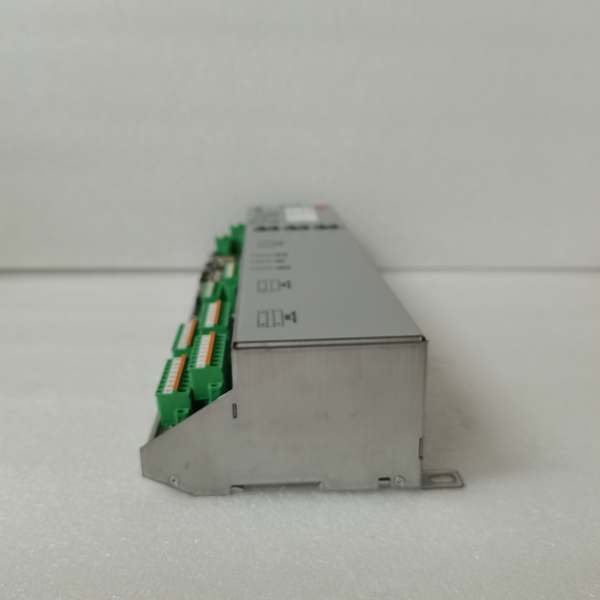
ABB PCD232A 3BHE022293R0101
Technical Deep Dive & Overview
The PCD232A 3BHE022293R0101 is an integrated excitation control and I/O module designed for ABB’s UNITROL 6000 generator excitation system. At its core, it uses a dual-core microprocessor: one core runs the voltage regulation algorithm (PID-based field current control) to maintain generator terminal voltage, while the second core manages digital I/O and multi-protocol communication. The voltage regulation loop samples generator voltage 100 times per second, adjusting field current via PWM signals to the exciter—this fast response time is critical for stabilizing voltage during grid transients.
The module’s 32DI/32DO channels are galvanically isolated from the control logic via optocouplers, preventing field-side surges from damaging the regulation processor. Communication ports use 1500V AC isolation to protect against DCS network noise, ensuring reliable data transmission even in high-EMI turbine halls. For redundancy, it supports 1:1 hot standby— the active module syncs voltage setpoints and I/O status with the standby module every 50ms, enabling seamless switchover in under 200ms if a fault occurs.
Unlike standalone excitation controllers, this module has no local HMI—all configuration is done via UNITROL 6000’s PC-based software. This eliminates the risk of accidental parameter changes by field technicians. The DIN rail mount and hot-swappable design allow replacement without shutting down the generator, a critical feature for baseload power plants that can’t afford unplanned outages. Its SIL 2 certification ensures it meets safety standards for excitation system protection loops, making it the workhorse of modern generator control rooms.