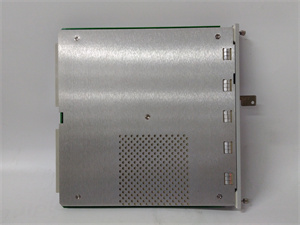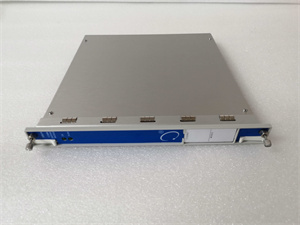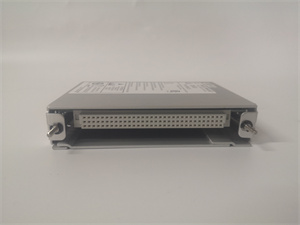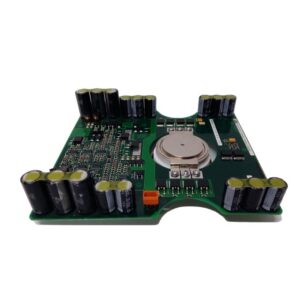
Description
Product Core Brief
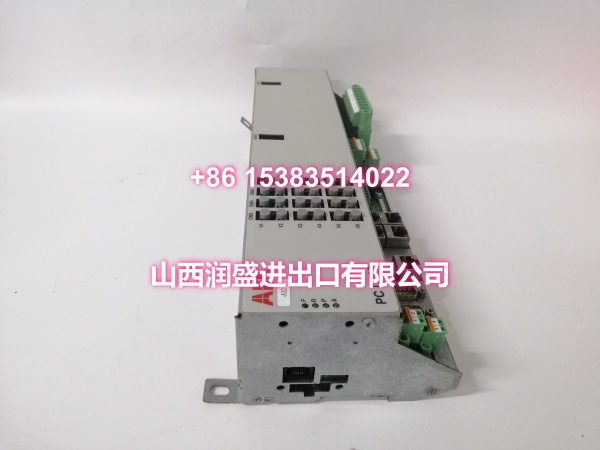
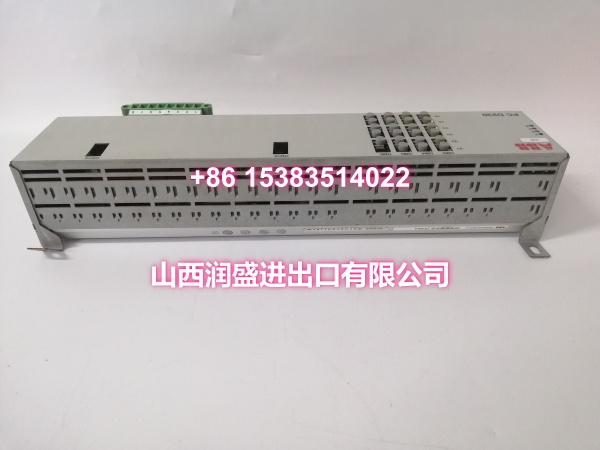
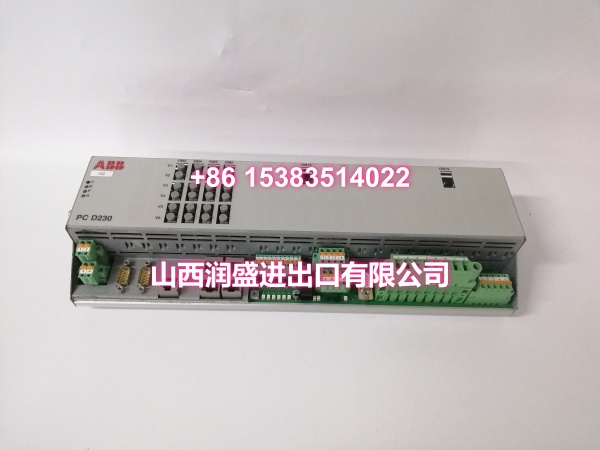
- Model: PCD230A 3BHE022291R0101
- Brand: ABB
- Series: AC 800PEC
- Core Function: High-speed controller for power electronics, excitation systems, and real-time process control.
- Product Type: PLC Controller Module / Communication & Measurement Board
- Key Specs: 600 MHz RISC processor | Dual redundant DC 9–36 V input | Fiber-optic I/O links
- Condition: New Original / New Surplus (verify per listing)
Key Technical Specifications
| Parameter | Specification |
|---|---|
| Part Number | 3BHE022291R0101 |
| Product Type | AC 800PEC Controller Module (CCM / measurement & control board) |
| Processor | 600 MHz RISC with 64-bit IEEE FPU |
| Memory | 512 MB Flash / 128 MB RAM (model-dependent) |
| Power Supply | Dual redundant DC 9–36 V, typical 24 V DC |
| Communication | Ethernet/IP, Modbus TCP, Profibus, DeviceNet, CANbus |
| Fiber-Optic Links | Multimode / Single-mode, up to 20 km |
| Max I/O Links | Up to 36 bidirectional optical links |
| Operating Temp | -10 °C to +55 °C (standard); -40 °C to +75 °C on wide-temp variants |
| Storage Temp | -20 °C to +70 °C |
| Protection | IP20 / IP30 cabinet-mounted |
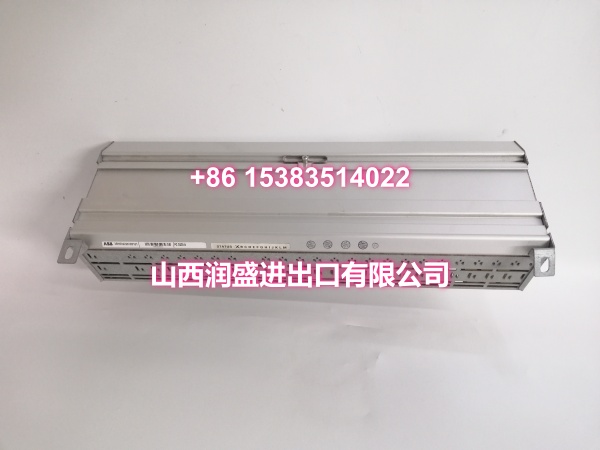
| Mounting | DIN-rail / backplane slot (AC 800PEC BP chassis) |
| Typical Applications | Generator excitation, flying-saw / flying-shear, rectifier bridge control, traction |
Note: Exact firmware variant and I/O count depend on the specific sub-model (e.g., PCD230A101). Confirm against your nameplate.
Product Introduction (No Fluff)
This is an AC 800PEC controller module used where power electronics meet hard real-time control. It sits at the heart of excitation regulators, rectifier bridges, flying-saw cutters, and traction drives—anywhere a PLC needs microsecond-level response rather than batch scanning.
The 600 MHz RISC core with hardware floating point handles fast control loops directly, while fiber-optic links keep I/O noise-immune over long distances. Dual redundant DC input means a single supply fault won’t trip the process. For MRO buyers and system integrators, that translates into fewer forced outages and a straightforward OEM replacement path.
QA & Testing SOP (Dynamic & Transparent)
Every unit gets the same bench routine before it ships:
- Visual & authenticity check — PCB revision, ABB label, serial, and connector pins inspected under magnification. Counterfeit or re-labeled boards are the most common surplus risk.
- Cold-boot & firmware log — Module powered on a test backplane; boot sequence, firmware version, and error counters captured.
- Power-rail validation — Input voltage swept across 9–36 V DC; ripple and draw measured with a calibrated Fluke multimeter / oscilloscope. Redundancy switchover verified.
- Communication handshake — Ethernet, serial, and fieldbus interfaces tested for link-up and protocol response.
- Fiber-optic loop test — TX/RX verified on at least one multimode link; optical power checked where test gear allows.
All boards ship in anti-static bags with foam support and a printed test log on request.
Installation Pitfalls & Guide (Engineer to Engineer)
❗ Firmware mismatch is the silent killer. A PCD230A loaded with FS701 flying-shear firmware won’t behave like an excitation CCM. Match firmware to your application before commissioning.
❗ Don’t hot-swap unless the rack is designed for it. The AC 800PEC backplane carries active bus lines; pulling a live controller can corrupt the node table or damage pins.
❗ Fiber polarity matters. TX→RX, RX→TX. A swapped pair gives you a perfect-looking link LED and zero data.
❗ Ground loops on dual supplies. If both DC feeds share different reference grounds, you’ll see intermittent comms faults. Use a single reference point or isolated supplies.
Replacement steps:
- Pre-install — Back up project, note firmware version, verify part number and revision.
- Removal — Power down the rack if hot-swap is not certified; release locking clips; pull straight out.
- Install — Seat firmly into the backplane slot; verify pin alignment; connect fiber and comms cables.
- Power-on test — Apply power, confirm boot, load or verify firmware, run I/O and communication checks before returning to service.
Technical FAQ
Can I buy just one piece, or is there an MOQ? Single units are available for MRO replacements. Bulk pricing applies for project quantities. Ask for a quote with your required quantity and lead time.
What warranty do surplus parts carry? Standard surplus stock carries a 30–90 day functional warranty depending on condition grade. New original units follow OEM terms. We state this upfront so there are no surprises after installation.
Is this a direct drop-in replacement? Yes—same part number, same slot. But verify the firmware variant (e.g., FS701 for flying-shear) and the sub-model suffix against your existing card. Hardware can be identical while the application image is not.
Is this part obsolete? The AC 800PEC platform remains in service across power and process installations, but specific controller variants may be phased or long-lead. Surplus and new-old-stock are the practical sourcing routes for many sites today.
Can I use it for both excitation and motion control? The hardware can, but the firmware cannot. A unit programmed for generator excitation won’t run a flying-saw application without a proper firmware reload and parameter set. Treat firmware as part of the part number.