Description
Key Technical Specifications
- Model Number: NKAS01
- Manufacturer: ABB Industrial Automation Division
- Safety Certifications: IEC 61508 (SIL 3), ISO 13849-1 (PL e), EN 954-1 (Cat. 4)
- Input Configuration: 2 dual-channel safety inputs (accepts NC/NO contacts)
- Operating Voltage: 24VDC ±10% (19.2-26.4VDC)
- Input Current: 10mA per channel (max)
- Isolation Rating: 1kV AC (input circuits to control circuits)
- Operating Temperature: -25°C to +65°C (-13°F to +149°F)
- Mounting Type: DIN rail (35mm) or panel mount (screw-on)
- Enclosure Protection: IP20 (control cabinet use)
- Compatibility: ABB IRC5 robot controllers, AC800M DCS, IRB 120/4600/6700 robots, third-party safety devices
- Certifications: CE, UL 508, ATEX Zone 2, RoHS 2.0
- Diagnostic Capability: Built-in open/short circuit detection, channel fault alerts, status LED indicators
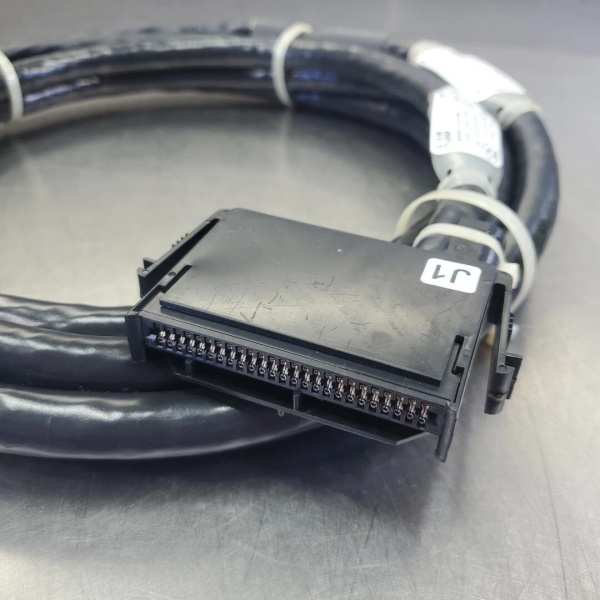
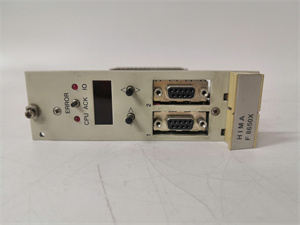
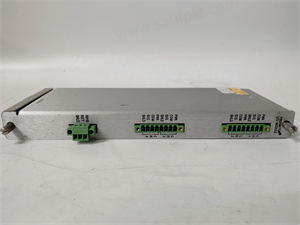
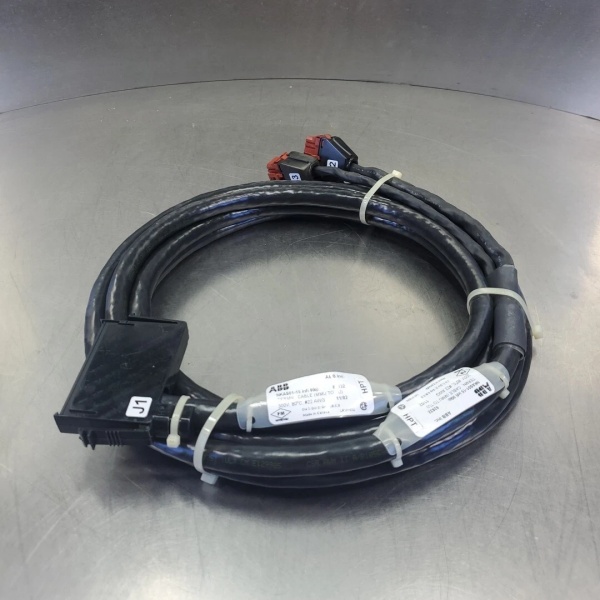
ABB NKAS01
Field Application & Problem Solved
In industrial safety—robot cells, refinery process equipment, automotive assembly lines—reliable interlocks are non-negotiable to prevent worker access to hazardous areas. Generic safety interlock modules fail to integrate with ABB controllers, lack SIL 3 compliance, and cause costly false trips or catastrophic failures. A Michigan auto plant was fined $180k by OSHA after a generic interlock failed to detect an open safety door, allowing a worker to enter a live welding robot cell. Legacy modules also suffer from compatibility issues: a Pennsylvania chemical plant spent $22k annually on custom wiring to connect third-party interlocks to their AC800M DCS, leading to 1.5 hours of monthly downtime from false trips.
You’ll find this module protecting: IRB 6700 welding robot cells in auto plants, refinery reactor access doors, and pharmaceutical batch processing equipment. Its core value is ABB-native integration + SIL 3 reliability + fail-safe dual-channel design. The direct compatibility with IRC5/AC800M eliminates custom workarounds, while dual-channel inputs ensure a single fault (e.g., broken wire) won’t disable the safety function. For a Texas petrochemical plant, the module’s -25°C operating range ensured reliable performance in outdoor control cabinets—something generic modules couldn’t do, avoiding $90k in winter shutdowns.
Installation & Maintenance Pitfalls (Expert Tips)
- Dual-Channel Wiring Is Non-Negotiable: Rookies wire safety devices to single channels, voiding SIL 3 certification. A Florida plastics plant failed a safety audit until technicians rewired all E-stops to both channels. Follow ABB’s diagram—each safety device (e.g., door switch) must connect to both channels of an input pair to detect faults.
- Grounding: Isolate Safety Circuits: Sharing the module’s ground with power circuits introduces noise, causing false fault triggers. An Illinois food processing plant’s robot cell shut down hourly until a dedicated 10mm² safety ground bar was installed (ground resistance <1Ω). Keep safety grounds separate from VFD/motor grounds.
- Firmware Sync with Controllers: Outdated NKAS01 firmware (pre-v4.0) with IRC5 v7.0+ causes communication drops. A North Carolina furniture plant’s robot interlocks failed to communicate until the module was updated via RobotStudio. Always match module firmware to the controller’s version.
- Torque Terminals to 0.8Nm: Loose terminals cause intermittent fault alerts. A Louisiana refinery’s safety door interlocks gave false open signals until terminals were torqued to ABB’s specified 0.8Nm. Use a precision torque screwdriver—over-tightening strips threads; under-tightening causes arcing.
- Test Safety Functionality Post-Installation: Never skip functional testing. Use a multimeter to simulate open/short circuits on each channel, verifying the module triggers a safety shutdown within 10ms. A Ohio steel mill missed a wiring error during installation, leading to a near-miss when a safety door interlock failed to stop a robot.
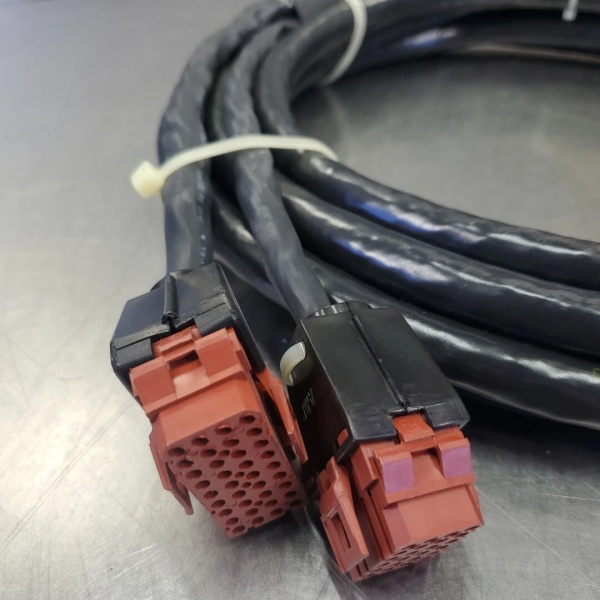
ABB NKAS01
Technical Deep Dive & Overview
The ABB NKAS01 is a fail-safe safety interlock module engineered to monitor critical safety devices and communicate directly with ABB’s IRC5 robots and AC800M DCS. At its core, a dual-channel monitoring circuit checks the status of safety inputs (e.g., E-stops, door switches) in real time—both channels must agree on the device status (open/closed) for the safety function to be enabled. If one channel detects a fault (e.g., open wire, short circuit), the module immediately sends a safety shutdown signal to the controller, halting hazardous operations within 10ms.
Unlike generic modules, the NKAS01 features 1kV AC isolation between input circuits and the controller backplane, blocking electrical noise from VFDs and motors—a common cause of false trips. Its conformal-coated PCB resists dust and humidity, making it suitable for harsh industrial environments. The module communicates with ABB controllers via the internal backplane, eliminating latency from external wiring or gateways.
What sets it apart is its seamless integration with ABB’s engineering tools: RobotStudio for robot cells and Control Builder M for DCS systems. Technicians can configure input types (NC/NO), monitor fault status, and troubleshoot via the controller’s HMI—no external software required. For facilities where safety compliance and reliability directly impact worker well-being and productivity, the NKAS01 isn’t just an interlock module—it’s a regulatory-compliant, rugged solution that keeps ABB systems safe and operational.