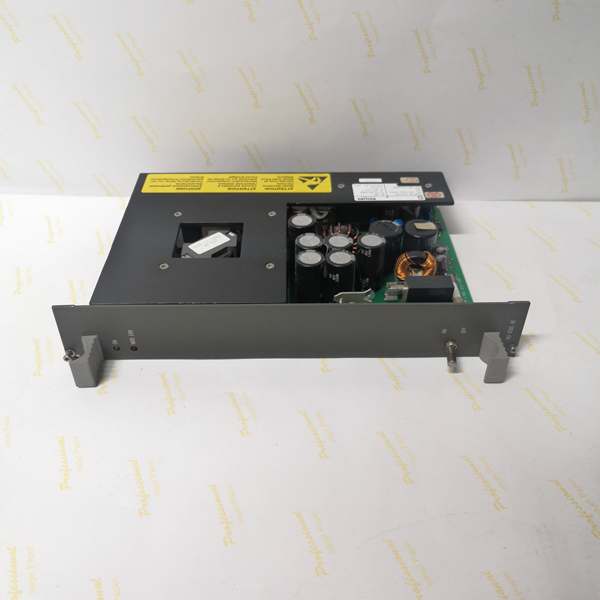
Description
Key Technical Specifications
- Model Number: KUC321AE
- Manufacturer: ABB
- Compatible Drives: ABB industrial drive platforms (mid-range torque/speed control drives)
- Control Modes: V/f control, vector control (sensorless), torque control, speed control
- Input Signals: 4–20mA DC (analog setpoint), 24V DC discrete commands (start/stop/reset)
- Output Signals: 4–20mA DC (speed/torque feedback), discrete fault/alarm outputs
- Operating Temperature: -10°C to +60°C (14°F to +140°F)
- Storage Temperature: -40°C to +85°C (-40°F to +185°F)
- Isolation: 2kV AC (control signals to power stage, backplane to I/O)
- Power Supply: Derived from drive backplane (24V DC, 350mA typical)
- Processing Latency: <5ms (control loop execution)
- Dimensions (W x H x D): 95mm x 160mm x 70mm
- Weight: Approx. 420g
- Mounting: Drive-integrated (plug-in to drive control slot, tool-less)
- Protection Features: ESD protection (±15kV), over-voltage tolerance, short-circuit immunity
- Compliance: IEC 61800-5-1 (drive control), IEC 61000-4 (EMC), UL 508C
- Status Indicators: Power (PWR), Control Active, Fault (RED), Warning (AMBER)
- Diagnostic Capabilities: Overload detection, power stage fault, signal loss alert, parameter mismatch

ABB KUC321AE
Field Application & Problem Solved
In industrial drive environments—refineries, pulp mills, and manufacturing plants—the biggest challenge is reliable, precise control of motor drives amid variable loads, vibration, and electrical noise. Legacy drive control units suffer from outdated logic, limited diagnostic visibility, or poor integration with modern monitoring systems, leading to erratic motor performance, unplanned downtime, or difficulty troubleshooting drive faults. This module solves that by serving as the control core for ABB drives, combining flexible control modes with real-time diagnostics and seamless drive integration—eliminating the “black box” of older control units.
You’ll typically find this module installed in ABB drives powering critical motor-driven equipment: refinery pump motors, pulp mill dryer section drives, manufacturing line conveyor motors, or chemical plant reactor agitators. It’s also used in power plant auxiliary systems (e.g., fan drives) and water treatment plant pump controls, where precise speed/torque regulation directly impacts energy efficiency and process stability. For retrofits, it upgrades older ABB drives with modern control logic and diagnostics, extending drive lifespan without replacing the entire unit—critical for facilities looking to improve reliability without costly overhauls.
Its core value is control flexibility and fault transparency. The multi-mode control (V/f, vector, torque) adapts to almost any motor application, from constant-speed pumps to variable-torque mixers. The built-in diagnostics alert operators to issues (e.g., motor overload, power stage faults) before they cause drive shutdowns, while the backplane integration ensures fast, low-latency communication with the drive’s power stage. For plant operators, this translates to consistent motor performance, faster fault resolution, and reduced energy costs—critical in industries where drive inefficiency or downtime eats into profitability.
Installation & Maintenance Pitfalls (Expert Tips)
Drive Parameter Backup: Do It Before Replacement
Rookies often swap the KUC321AE without backing up the drive’s existing parameters. The new module loads default settings, which won’t match the motor or application requirements—causing erratic operation or motor damage. Use ABB’s DriveWindow software to backup parameters from the old control unit first. After installing the KUC321AE, restore the backup to ensure control modes, current limits, and setpoint ranges match the motor. Skip this, and you’ll spend hours reconfiguring parameters and troubleshooting avoidable issues.
Control Mode Mismatch: Match to Application
A common mistake is leaving the module in default V/f control when the application requires vector control (e.g., high-torque startup for mixers). Mismatched control modes lead to poor performance—low startup torque, speed instability, or excessive current draw. Select the correct mode via the drive’s local HMI or DriveWindow: use V/f for constant-speed loads (pumps/fans), vector for variable-torque or high-precision applications (conveyors/mixers). Test startup and load changes post-configuration to confirm stability.
Wiring: Secure Discrete Command Connections
Vibration in industrial environments (e.g., near motors, pumps) loosens discrete command wires (start/stop/reset) on the module’s terminals. This causes intermittent drive shutdowns or unresponsive commands. Use a torque screwdriver set to ABB’s spec (0.6–0.8Nm) to secure all wiring. Use strain relief on cable runs to prevent pulling on terminals. Recheck connections after the first week of operation—loose discrete wires are the #1 cause of “random” drive faults with this module.
Firmware Compatibility: Match Drive Version
Mismatched firmware between the KUC321AE and the drive’s power stage causes communication glitches or complete control failure. Before installation, check the drive’s firmware version via the HMI. Download the matching module firmware from ABB’s portal and flash it using DriveWindow. Never use outdated firmware—older versions may lack critical bug fixes for vector control accuracy or diagnostic reporting. Verify firmware version post-installation to avoid months of intermittent issues.
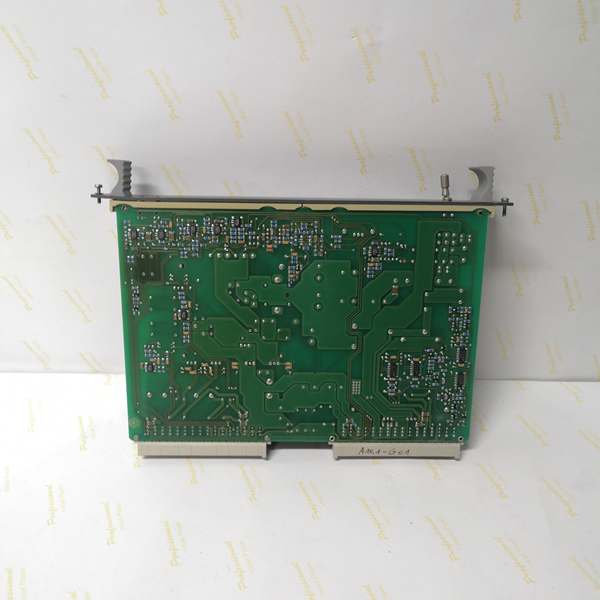
ABB KUC321AE
Technical Deep Dive & Overview
The ABB KUC321AE is a purpose-built control unit module designed to serve as the “brain” of ABB industrial drives, translating control signals into precise motor operation while monitoring drive health. At its core, it uses a 32-bit microprocessor optimized for real-time control loop execution (<5ms latency), ensuring fast response to load changes or setpoint adjustments.
The module’s multi-mode control logic is enabled by embedded firmware: V/f control provides simple, energy-efficient operation for constant-speed loads, while sensorless vector control delivers high torque at low speeds—critical for applications like mixer startup or conveyor positioning. The analog and discrete I/O interfaces bridge the module to external systems: 4–20mA inputs accept setpoints from PLCs/DCS, while discrete outputs transmit drive status to control rooms.
Integration with the drive’s power stage happens via a dedicated backplane connection, ensuring seamless communication of current, voltage, and temperature data. This direct link allows the module to adjust power stage output in real time, preventing overloads or voltage spikes. The 2kV isolation between control signals and the power stage protects the module from electrical transients common in drive environments.
Ruggedness is built for industrial floors: the module’s enclosure resists dust and minor moisture, while the -10°C to +60°C operating range handles the heat generated by nearby power electronics. The tool-less plug-in design simplifies installation and replacement, reducing downtime during maintenance. The status LEDs provide at-a-glance visibility into operation, while diagnostic data is transmitted to the drive’s HMI or external systems for remote monitoring.
Overall, the KUC321AE is a critical component of ABB’s drive ecosystem: it delivers the control precision and reliability needed for industrial motor applications, while simplifying configuration and troubleshooting. Its flexibility across control modes and seamless drive integration make it a trusted choice for facilities relying on ABB drives to power critical processes.