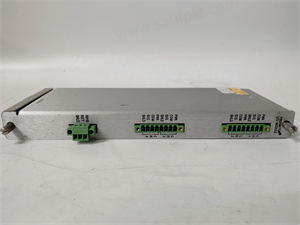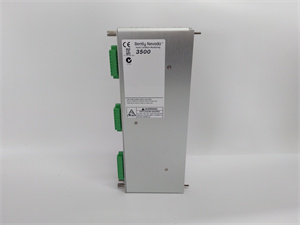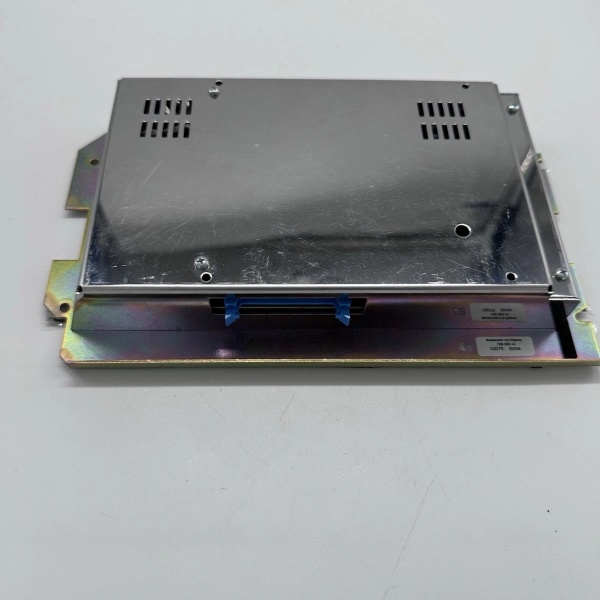
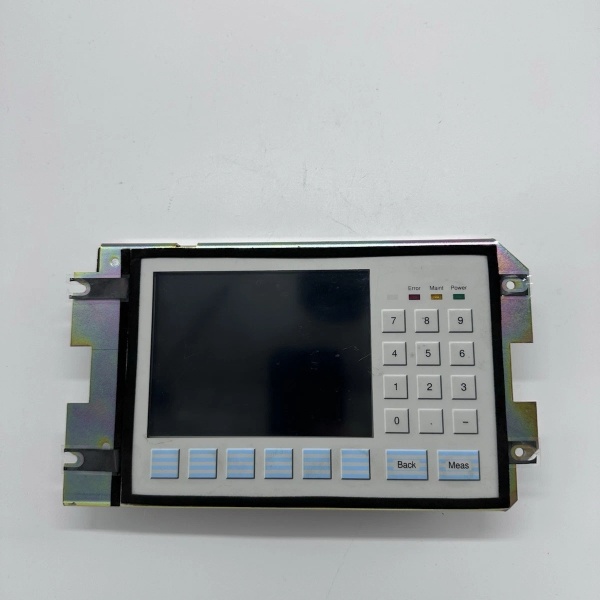
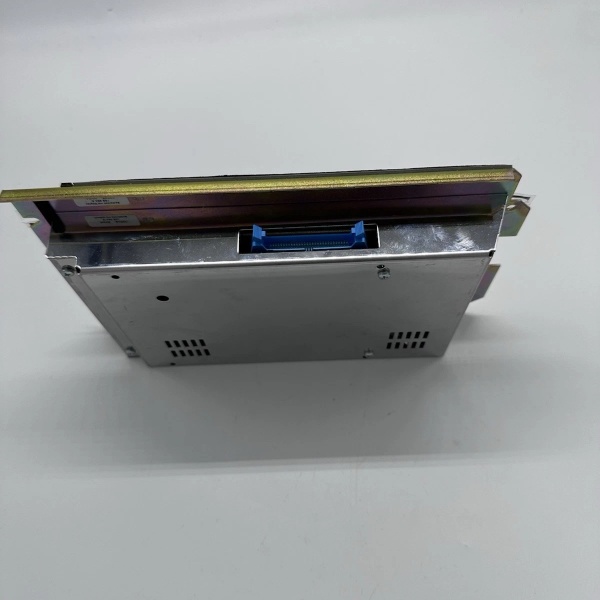
Description
Hard-Numbers: Technical Specifications
- Processor: 32-bit RISC, ≥400MHz clock frequency
- Memory: ≥8MB program memory, ≥16MB data memory, expandable via SD card (max 32GB)
- Base I/O: 32 digital inputs / 32 digital outputs, 8 analog inputs / 4 analog outputs
- I/O Expansion: Up to 512 points with expansion modules
- Communication Interfaces: 2×Ethernet, 2×RS-485, 1×Profibus-DP (supports CANopen expansion)
- Power Supply: DC 24V ±15% or AC 110/220V ±10%
- Operating Temperature: -25°C to +70°C
- Isolation Rating: 250V AC signal/ground isolation
- Power Draw: 15W typical at 24V DC
- Dimensions: 120mm × 86mm × 35mm (DIN rail mount)
- Weight: 0.3-0.4 kg
- EMC Compliance: IEC 61000-4-2 (ESD) ±15kV; IEC 61000-4-4 (EFT) ±4kV
- Redundancy: CPU and power supply redundancy, hot standby ≤25ms switchover

ABB 768998
The Real-World Problem It Solves
Legacy DCS controllers in harsh industrial environments struggle with communication bottlenecks and limited processing capacity, causing unplanned shutdowns during critical operations. The ABB C768/XVC768 series eliminates these issues by providing a high-performance, redundant-capable controller with wide temperature tolerance and robust communication protocols.
Where you’ll typically find it:
- Coal-fired power plant boiler control loops and turbine governor systems
- Offshore oil platform safety shutdown systems (ESD)
- Refinery distillation column automation and process control
- Paper mill machine direction control systems
Reduces unplanned downtime by 35-40% in high-vibration, high-EMI environments compared to legacy controllers without redundancy.
Hardware Architecture & Under-the-Hood Logic
The C768/XVC768 features a standalone 32-bit RISC microprocessor with dedicated I/O bus controller, eliminating backplane dependency. Its dual-port memory architecture enables simultaneous data processing and communication without throughput degradation. The module supports hot-standby CPU redundancy with patented bumpless changeover in under 25ms.
- Field signals enter via isolated terminal blocks (250V AC isolation)
- Analog inputs pass through 16-bit ADC with programmable filtering
- Digital inputs are debounced with configurable 1-100ms time constants
- Processor executes control logic (PID, ladder, FBD, structured text) at 10ms cycle time
- Results route to output registers via redundant SERIALBUS/AF100 interface
- Status LEDs (RUN/FAIL/COMM) provide real-time diagnostics without software tools
- Personality submodules handle protocol translation (Profibus, Modbus, MasterBus) for fieldbus integration
ABB 768998
Field Service Pitfalls: What Rookies Get Wrong
Grounding Loops in Hazardous AreasNew techs often daisy-chain grounds between modules, creating noise in analog signals that can blow transmitters. Seen this cause $4k+ damage in refinery hydrogen units.
- Field Rule: Use isolated ground bus bars and verify <50mV potential between module ground and field instrument ground.
Overlooking Fuse Ratings on 24V RailsInstalling 5A fuses instead of specified 3.15A slow-blow fuses causes nuisance trips during motor start transients. Common mistake in power plant auxiliary systems.
- Quick Fix: Always use ABB part 1SDA065523R1 fuses (3.15A, 250V) for 24V supply protection.
Ignoring Firmware Compatibility During UpdatesUpgrading controller firmware to v2.2+ without updating I/O module firmware causes “COMM FAIL” despite physical connections. Seen this during three separate migration projects in 2024.
- Field Rule: Flash I/O modules to compatible firmware versions before updating the main controller—check ABB Compatibility Matrix first.
Redundant Configuration MiswiringImproperly configuring primary/backup CPU dip-switches or mismatched firmware prevents bumpless switchover, defeating redundancy. Critical for safety systems.
- Field Rule: Verify both CPUs have identical firmware, memory configuration, and dip-switch settings before enabling redundancy mode.
Terminal Block Torque ViolationsOver-tightening terminal screws strips threads or damages conductors, causing intermittent connections that take hours to troubleshoot in the field.
- Field Rule: Use a 0.6 Nm torque driver for all terminal connections—no exceptions.
Commercial Availability & Pricing Note
Please note: The listed price is for reference only and is not binding. Final pricing and terms are subject to negotiation based on current market conditions and availability.