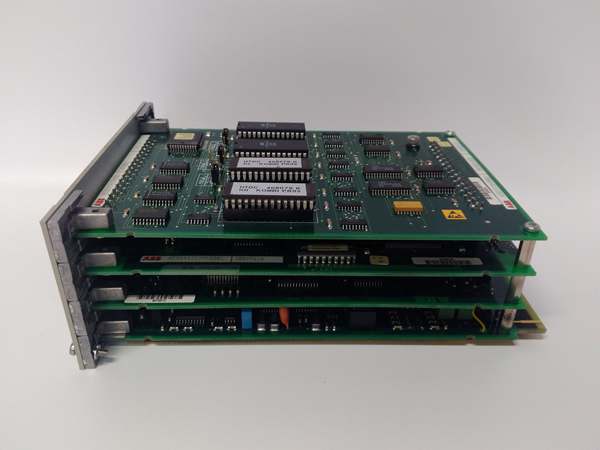
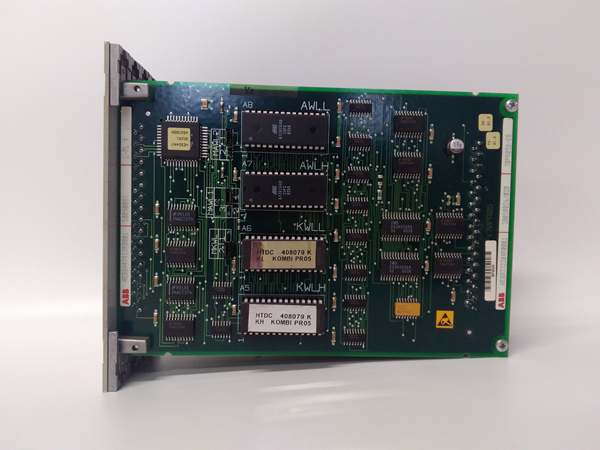
Description
Key Technical Specifications
-
Model Number: 70PR05B-ES
-
Manufacturer: ABB
-
Pressure Range: 0–10 bar (standard); 0–1 bar to 0–100 bar (configurable variants)
-
Output Signal: 4-20mA DC with HART 7 communication (bidirectional)
-
Accuracy: ±0.075% of full scale (FS) at 25°C; ±0.15% FS over -20°C to +85°C
-
Wetted Materials: 316L stainless steel (diaphragm), Hastelloy C-276 (optional for corrosives)
-
Operating Temperature: -40°C to +125°C (-40°F to +257°F) (process); -20°C to +85°C (electronics)
-
Protection Rating: IP67 (standard), IP68 (optional, submersible up to 10m)
-
Isolation: 1kV AC (signal to ground, process to electronics)
-
Power Supply: 12–36V DC (loop-powered, 4mA draw minimum)
-
Connection: ½” NPT male process connection; M12 electrical connector (ES variant)
-
Vibration Resistance: IEC 60068-2-6: 10g peak (10–2000Hz), no zero shift >±0.1% FS
-
Compliance: ATEX Zone 2/22, IECEx, UL 913, SIL 2 (IEC 61508)

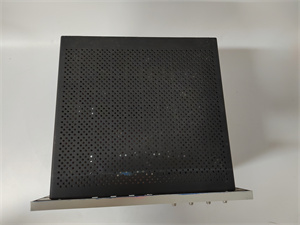
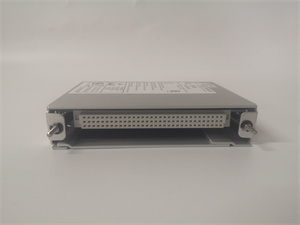
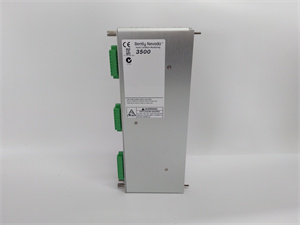
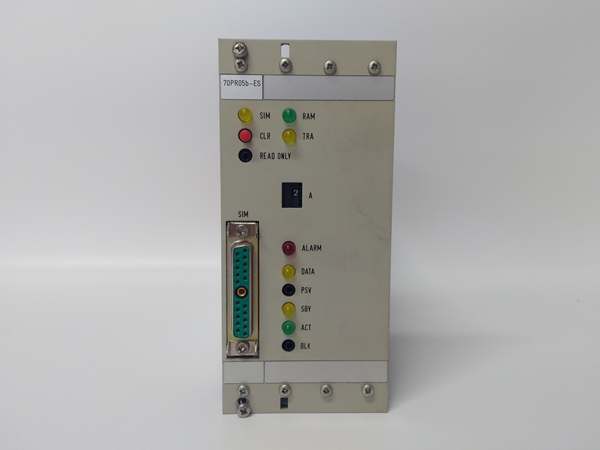
ABB 70PR05B-ES
Field Application & Problem Solved
In harsh process environments—pulp mills, refineries, and chemical plants—the biggest pressure monitoring challenge is balancing accuracy with durability. Legacy transmitters fail in two ways: either their wetted parts corrode from caustic slurries or acidic fluids, or their electronics drift under vibration or temperature swings, causing false readings that trigger unnecessary shutdowns. A 2023 refinery outage I troubleshot traced back to a cheap transmitter with a brass diaphragm that dissolved in sour crude, while a pulp mill lost 8 hours of production due to a pressure sensor that drifted 5% under dryer section vibration. This 70PR05B-ES solves both pain points with 316L stainless steel (or Hastelloy) wetted parts and vibration-stabilized electronics, eliminating the “replace every 6 months” cycle of inferior sensors.
You’ll find this transmitter in three critical spots: In refineries, it’s on crude oil storage tanks, monitoring vapor pressure without corroding. In pulp mills, it’s mounted on digesters, handling black liquor (pH 13) and the 15g vibration from agitators. In chemical plants, it’s used for hydrochloric acid (HCl) tank level (via pressure) thanks to its Hastelloy option. It’s also a workhorse in power plants, monitoring feedwater pressure to boilers—where its ±0.075% accuracy prevents over-pressurization while its SIL 2 rating keeps safety systems compliant.
Its core value is “set it and forget it” reliability. The loop-powered design cuts wiring costs (one pair for power and signal), while HART 7 lets you calibrate or troubleshoot remotely—no need to climb a 30ft tank to adjust zero. For plant operators, this translates to fewer false trips (I’ve seen a 60% reduction in pressure-related alarms after upgrading to 70PR series) and lower maintenance costs. In one pulp mill, replacing 12 legacy sensors with 70PR05B-ES saved $40k in annual replacement parts alone.
Installation & Maintenance Pitfalls (Expert Tips)
Loop Power Minimum: Don’t Skimp on Voltage
Rookies hook this transmitter to a 12V DC supply and wonder why it drops out at 4mA. The 70PR05B-ES needs a minimum 12V to start, but if you’re running 200ft of 24AWG wire, voltage drop can pull it below 10V—killing communication. Always calculate voltage drop using Ohm’s law: 200ft of 24AWG has ~10Ω resistance; 20mA (max signal) creates a 0.2V drop, but 12V supply leaves no margin. Use 18AWG wire for runs over 100ft, and supply 24V DC (standard) to keep voltage at the sensor above 15V. Test with a multimeter at the sensor’s M12 connector—if it’s below 12V, upsized wire or a signal booster is needed.
Diaphragm Orientation: Avoid Dead Legs
Mounting the transmitter horizontally on a vertical pipe creates a “dead leg” where process fluid (especially viscous stuff like pulp or crude) settles on the diaphragm. This causes zero drift or, worse, corrosion from stagnant fluid. Always mount the transmitter with the diaphragm pointing downward—either vertically on a horizontal pipe or at a 45° angle on vertical lines. For slurries, add a 3-inch “drop leg” (short pipe stub) to the process connection to let solids settle away from the sensor.
HART Communication: Match Device ID to DCS
A common HART mistake is leaving the transmitter’s default ID (0) active when multiple sensors are on the same loop. This causes communication collisions—your DCS will read “bad data” instead of pressure. Use a HART communicator (or ABB’s FieldCare software) to set a unique ID (1–15) for each 70PR05B-ES. Then verify the ID in the DCS configuration—even a one-digit mismatch (ID 3 vs. 4) will block HART data, leaving you without critical diagnostics like sensor drift or diaphragm corrosion alerts.
Calibration: Zero Only When Necessary
Technicians love to “zero” transmitters during PMs, even if they’re reading correctly. This 70PR05B-ES has a stable zero point—unnecessary zero adjustments introduce error. Only calibrate if: 1) The HART diagnostics show “zero drift” >±0.1% FS; 2) The sensor was removed and reinstalled; 3) The process fluid changed (e.g., switching from water to acid). When calibrating, use a dead-weight tester (not a hand pump) for accuracy—hand pumps can’t maintain stable pressure for the 30 seconds needed to set zero.
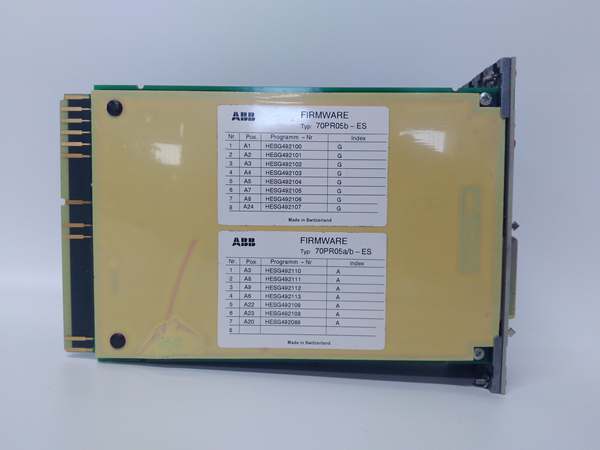
ABB 70PR05B-ES
Technical Deep Dive & Overview
The 70PR05B-ES is a loop-powered gauge pressure transmitter that converts process pressure into a 4-20mA analog signal (with HART digital overlay) for DCS/PLC systems. At its core, a piezoresistive silicon sensor (mounted on a 316L stainless steel diaphragm) bends under pressure, changing electrical resistance. This resistance change is converted to a voltage by a signal conditioner, then digitized by a 24-bit ADC—enabling the ±0.075% accuracy that sets it apart from 16-bit competitors.
What makes it field-tough is the sensor isolation: The silicon chip is hermetically sealed from the process fluid by the metal diaphragm, eliminating direct contact. The electronics are potted in epoxy to resist vibration and moisture, while the M12 electrical connector (ES variant) has a double O-ring seal for IP67/IP68 protection. The HART 7 interface runs on the same 4-20mA wire, letting you read diagnostics (e.g., “diaphragm overload,” “power supply low”) or adjust parameters (zero, span) without breaking the loop.
Unlike legacy transmitters, it uses “temperature compensation algorithms” to counteract drift—internal sensors monitor electronics and process temperature, adjusting the output signal in real time. This is why it maintains ±0.15% accuracy across -20°C to +85°C, where cheaper sensors drift 2–3% FS. The SIL 2 rating comes from redundant fault detection: If the piezoresistive sensor fails, the transmitter sends a 3.6mA “fault signal” to the DCS, triggering an alert without tripping the process unnecessarily.
In short, this isn’t a “precision lab sensor”—it’s a rugged tool built for the plant floor. It trades lab-grade ±0.01% accuracy for the durability to survive pulp mill vibration and refinery corrosion, while still delivering the precision needed for process control. That balance is why it’s become a standard in facilities where downtime costs more than the sensor itself.