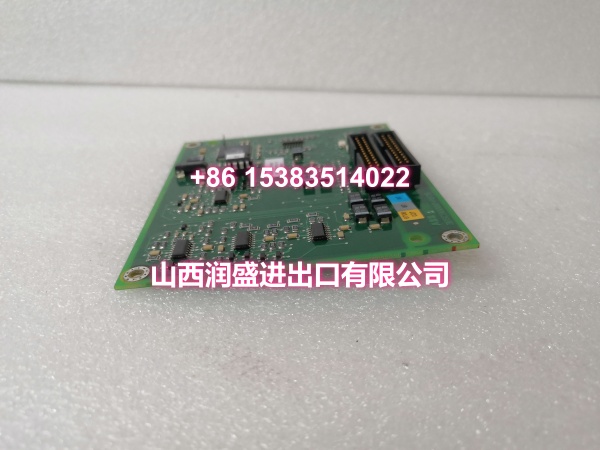
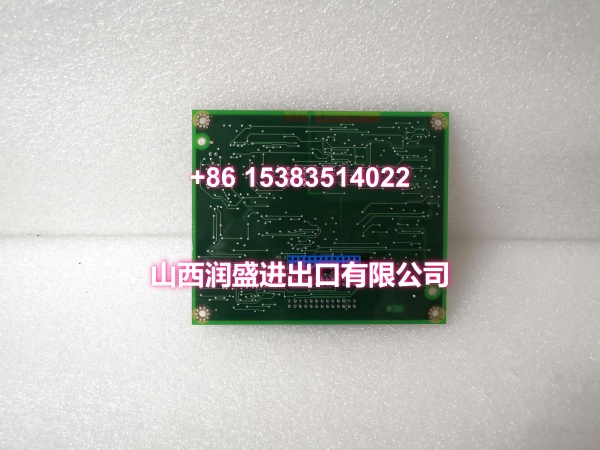
Description
Product Core Brief
- Model: 3ASC25H216A DATX132
- Brand: ABB
- Series: 3ASC25H216A DATX132 Series
- Core Function: High-speed data acquisition and processing module for industrial control systems, enabling real-time monitoring of process variables.
- Product Type: Industrial Control Module / Data Acquisition Board
- Key Specs: 220V operating voltage | 30 kHz output frequency | High-speed sensor interface
- Condition: New Surplus
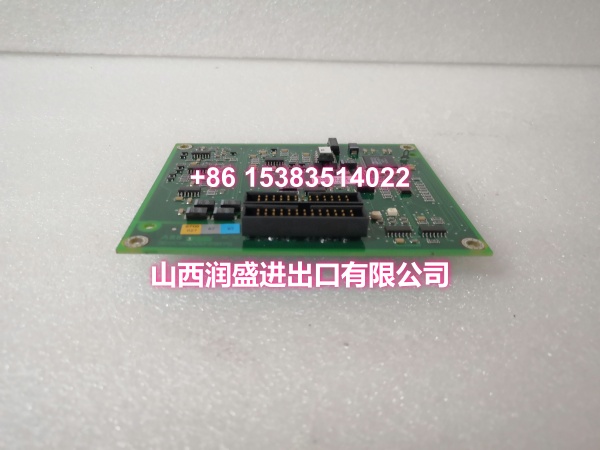
Key Technical Specifications
- Model Number: 3ASC25H216A DATX132
- Product Type: Industrial Control Module
- Brand: ABB
- Origin: Switzerland
- Operating Voltage: 220V
- Output Frequency: 30 kHz
- Function: High-speed data acquisition and processing
- Application: Process control, monitoring, industrial automation
- Sensor Interface: Supports various sensor types for temperature, pressure, flow monitoring
- Communication: Supports industrial protocols (Ethernet, RS485, Modbus TCP/IP)
- Protection: Signal isolation, overload and short-circuit protection
- Operating Temperature: -20°C to +60°C
- Storage Temperature: -40°C to +85°C
- Mounting: DIN rail or panel mount
- Ingress Protection: IP20
- Dimensions: 120mm × 80mm × 30mm
- Weight: Approx. 200g
- Certification: CE certified
Product Introduction (No Fluff)
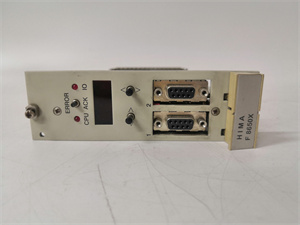
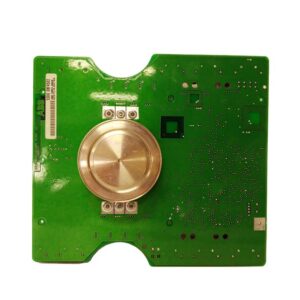
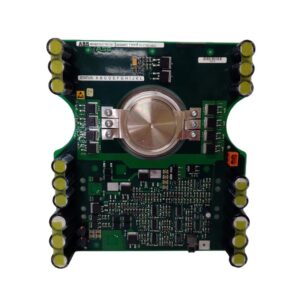
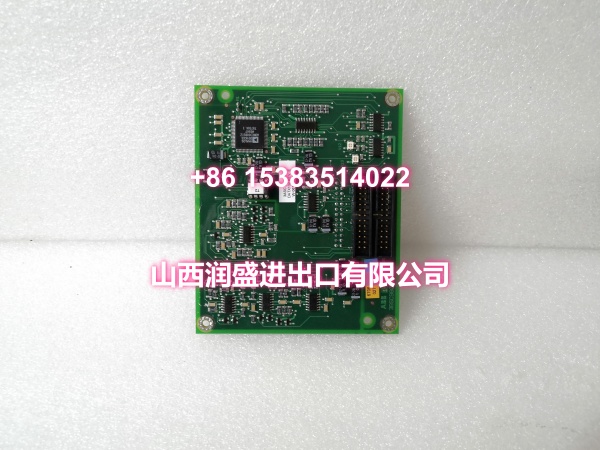
The ABB 3ASC25H216A DATX132 is an industrial control module built for high-speed data acquisition and real-time processing in demanding automation environments. It interfaces with field sensors and equipment to capture process variables—temperature, pressure, flow—and feed that data directly into your control system for immediate action.
What makes this board practical on the shop floor is its combination of signal isolation, overload protection, and support for multiple industrial communication protocols. It slots into ABB control racks and plays well with existing PLC/DCS architectures, so you’re not redesigning your cabinet layout when you need a replacement. The 220V operating range and 30 kHz output frequency give it the headroom to handle fast-response applications without breaking a sweat.
QA & Testing SOP (Dynamic & Transparent)
Every unit goes through a structured verification process before shipping:
- Visual & Anti-Counterfeit Inspection: We check PCB trace integrity, solder joint quality, component markings, and serial numbers against ABB’s known production records. Counterfeit boards often have subtle silkscreen errors or incorrect component placement.
- Connector Pin Inspection: Backplane connector pins are examined for straightness and corrosion. Bent pins are the most common cause of DOA failures with rack-mounted modules—we catch this before it reaches you.
- Power-On Self-Test: The module is powered up in a controlled test rack at 220V to verify POST completion and firmware initialization. We log boot time and check for any internal fault codes.
- Signal Acquisition Test: Using calibrated signal generators, we simulate sensor inputs across the I/O channels and verify the board correctly acquires, processes, and outputs the expected data values. This confirms the data acquisition circuitry is functioning within spec.
- Communication Verification: The board is checked for proper communication over supported protocols (Ethernet, RS485, Modbus TCP/IP) to confirm it registers correctly with the controller and exchanges data without errors.
- Anti-Static Packaging: After passing all tests, the unit is sealed in ESD-safe packaging with desiccant to prevent moisture and static damage during transit.

Installation Pitfalls & Guide (Engineer to Engineer)
Replacing a data acquisition module like this has a few landmines if you’re not careful:
❗ Signal Isolation Grounding: The DATX132 provides signal isolation to protect your control system from electrical interference. If your field ground and cabinet ground aren’t properly separated, you’ll defeat the isolation and potentially introduce noise—or worse, damage the board. Verify your grounding scheme before wiring.
❗ Backplane Pin Damage: When removing the old board, pull straight out. Angled extraction bends the backplane pins on the rack side, and those are nearly impossible to repair without replacing the entire rack segment. If pins are already bent, do not force the new board in.
❗ ESD Sensitivity: The high-speed data acquisition circuitry is vulnerable to electrostatic discharge. Always wear an ESD wrist strap and handle the board by its edges or front panel—never touch the PCB traces or connectors directly.
❗ Protocol Configuration Mismatch: If your system uses a specific communication protocol (Modbus TCP/IP, RS485, etc.), verify the replacement board is configured for the same protocol. A mismatch here will cause communication timeouts that look like a hardware fault.
4-Step Replacement Guide:
- Pre-Install: Power down the rack, apply LOTO, and photograph existing wiring and DIP switch settings for reference. Confirm the replacement board’s firmware and protocol configuration match your system.
- Removal: Label all field wiring, disconnect cables, release board latches, and pull straight out evenly.
- Install: Align the new board with the backplane guides, push firmly until fully seated, reconnect field wiring per your reference photo, and verify grounding.
- Power-On Test: Restore power, check for fault LEDs, verify communication registration with the controller, and run a functional test with known sensor inputs.
Technical FAQ
Is the 3ASC25H216A DATX132 a direct replacement for my existing module? Yes. The 3ASC25H216A DATX132 is an OEM-compatible replacement. Hardware-wise, it’s a direct drop-in. Just verify your communication protocol settings and firmware version match your existing system configuration before installing.
What’s the warranty on surplus stock? We provide a 12-month warranty. Since this is new surplus—never commissioned in the field—you’re getting a board that hasn’t accumulated runtime hours. The warranty covers manufacturing defects and DOA failures.
Can this module integrate with non-ABB control systems? The DATX132 supports standard industrial protocols including Ethernet, RS485, and Modbus TCP/IP. As long as your controller speaks one of these protocols, integration is feasible. Check your controller’s protocol support against the module’s specifications before connecting.
What industries commonly use this module? You’ll find the DATX132 in manufacturing, energy, utilities, and transportation sectors—anywhere real-time monitoring of temperature, pressure, flow, or other process variables is critical to operations.