Description
Product Core Brief
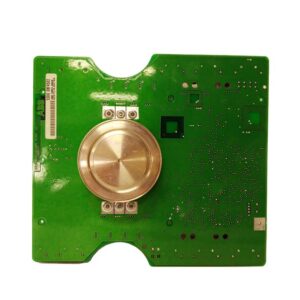
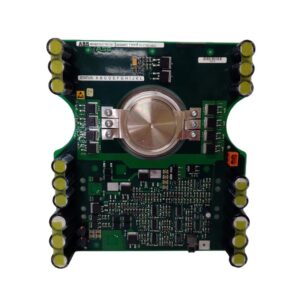
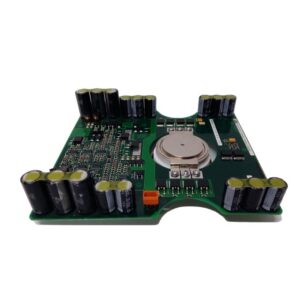
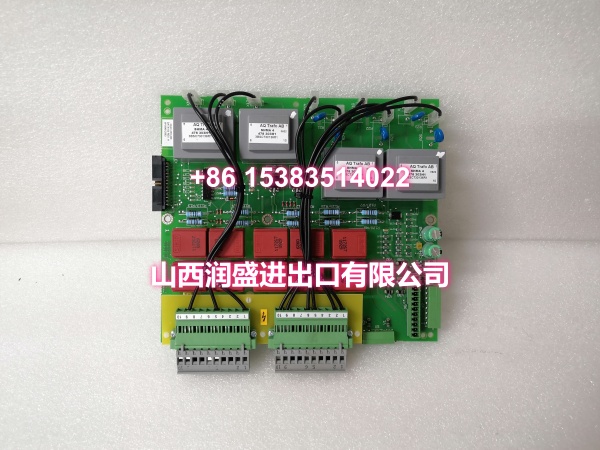
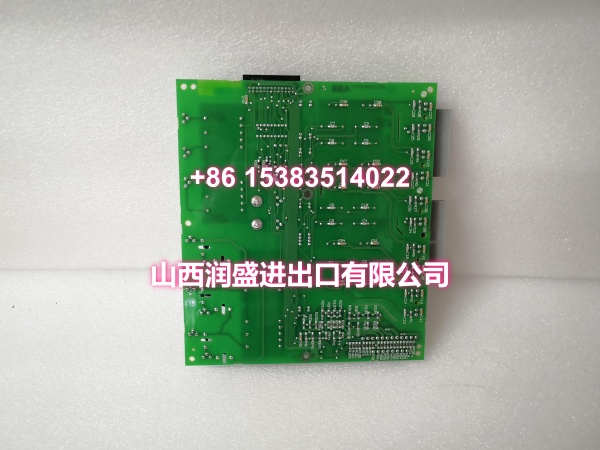
- Model: 3ASC25H208 DATX100
- Brand: ABB
- Series: DATX100 Series
- Core Function: Processes and receives signals from pulse transformers or encoders for position, speed, and angle monitoring of rotating equipment.
- Product Type: Pulse Transformer Board / Encoder Interface Module
- Key Specs: Pulse signal processing | Encoder feedback interface | Industrial-grade PCB design
- Condition: New Surplus
Key Technical Specifications
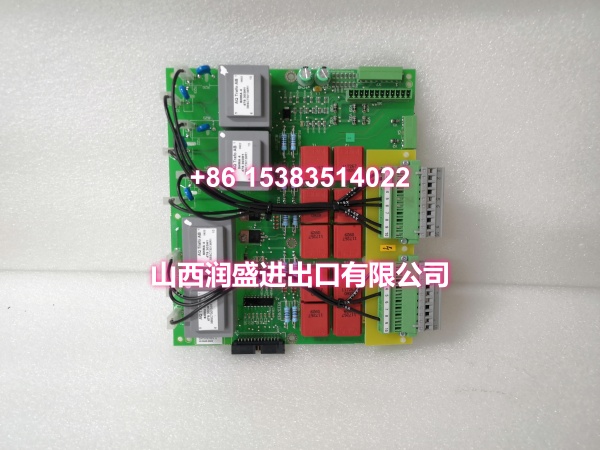
- Model Number: 3ASC25H208
- Product Type: DATX100 Pulse Transformer Board
- Brand: ABB
- Origin: Sweden
- Function: Pulse signal processing and encoder feedback
- Application: Position, speed, and angle monitoring of rotating equipment
- Integration: Compatible with ABB PLC/DCS systems
- Communication: Supports digital communication protocols
- Weight: 0.8 kg
- Warranty: 12 months
- Compliance: CE
Product Introduction (No Fluff)
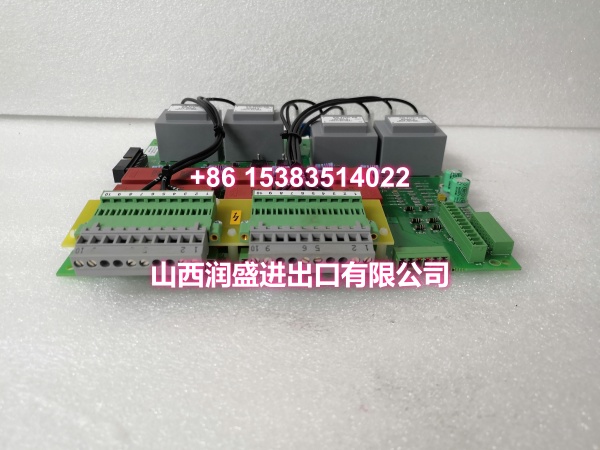
The ABB 3ASC25H208 DATX100 is a pulse transformer board engineered to process and receive signals from pulse transformers or encoders. It’s the component you rely on when you need accurate position, speed, or angle feedback from rotating machinery—motors, servo drives, or any shaft-encoded equipment in your process line.
This board slots directly into ABB PLC or DCS racks, feeding pulse data into the control system without requiring external signal conditioning. Whether you’re commissioning a new drive system or replacing a failed encoder interface card in an existing cabinet, the DATX100 handles the raw pulse signals and translates them into usable process data for your controller.
QA & Testing SOP (Dynamic & Transparent)
Here’s how we verify every DATX100 board before it leaves:
- Visual & Anti-Counterfeit Inspection: We examine PCB trace quality, solder joints, component markings, and the silkscreen against known genuine ABB production standards. Counterfeit cards often have subtle errors in component placement or font rendering on the label.
- Connector Pin Check: The backplane connector pins are inspected for straightness and corrosion. Bent pins are the number-one cause of “dead on arrival” complaints with rack-mounted modules.
- Signal Injection Test: Using a calibrated pulse generator, we simulate encoder pulse trains at the input terminals and verify the board correctly processes and outputs the expected digital signals. This confirms the pulse transformer circuitry is functional.
- Communication Verification: The board is installed in a test rack and checked for proper digital communication with the backplane. We confirm it registers correctly with the controller and reports no internal faults.
- Anti-Static Packaging: After passing all checks, the unit is sealed in ESD-safe packaging with desiccant to prevent moisture and static damage during shipping.
Installation Pitfalls & Guide (Engineer to Engineer)
Swapping out a pulse transformer board seems straightforward, but there are traps that can cost you hours of downtime:
❗ Encoder Wiring Polarity: Pulse encoder signals are polarity-sensitive. If you cross the A/B phase wires or the differential pairs, the controller will read reverse rotation or garbage counts. Double-check your wiring diagram against the terminal labels before applying power.
❗ Shield Grounding: Encoder cables run through electrically noisy environments. If the cable shield isn’t grounded at one end only (typically the cabinet side), you’ll introduce ground loops that corrupt the pulse signal. This looks like a faulty board, but it’s actually a wiring issue.
❗ Backplane Seating: These boards plug into a dense backplane connector. Forcing the board in at an angle will bend pins on the rack side—and those are nearly impossible to repair without replacing the entire rack segment. Guide it in straight and firm.
❗ ESD Sensitivity: The pulse transformer circuitry and associated ICs are vulnerable to electrostatic discharge. Always wear an ESD wrist strap and handle the board by its edges or front panel, never by the PCB itself.
4-Step Replacement Guide:
- Pre-Install: Power down the rack, apply LOTO, and photograph the existing wiring for reference. Verify the replacement board’s revision matches your system documentation.
- Removal: Label all encoder cables, disconnect them, release the board latches, and pull straight out evenly.
- Install: Align the new board with the backplane guides, push firmly until fully seated, reconnect encoder wiring per your reference photo, and verify shield grounding.
- Power-On Test: Restore power, check for fault LEDs, and monitor the pulse count in the controller to confirm correct direction and scaling.
Technical FAQ
Is the 3ASC25H208 a direct replacement for my existing DATX100 board? Yes. The 3ASC25H208 is the OEM part number for the DATX100 pulse transformer board. Hardware-wise, it’s a direct drop-in replacement. Just verify your encoder wiring and controller configuration haven’t been modified from the original setup.
What’s the warranty on surplus stock? We provide a 12-month warranty. Since this is new surplus—never commissioned in the field—you’re getting a board that hasn’t accumulated runtime hours. The warranty covers manufacturing defects and DOA failures.
Can this board work with non-ABB encoders? The DATX100 processes standard pulse encoder signals. As long as your encoder outputs a compatible pulse format (typically TTL or HTL differential signals), the board can interface with it. Check your encoder’s output specification against the DATX100’s input requirements before connecting.
What industries commonly use this module? You’ll find the DATX100 in steel mills, power plants, petrochemical facilities, paper mills, textile machinery, and automotive manufacturing—anywhere rotating equipment needs precise position or speed feedback integrated into a DCS or PLC system.