Description
Key Technical Specifications
- Model Number: 1VCR004291G0005
- Manufacturer: ABB Power Products Division
- Operating Voltage: 110V DC (±10% tolerance)
- Power Consumption: 300W (peak during closure)
- Insulation Class: F (155°C maximum operating temperature)
- Operational Time: 80-120ms (time to fully close VCB mechanism)
- Contact Resistance: <50mΩ (coil winding resistance)
- Mounting Interface: VD4-series standard 3-point mechanical bracket
- Termination: M6 screw terminals (accepts 4-6mm² copper conductors)
- Operating Temperature: -25°C to +60°C (-13°F to +140°F)
- Vibration Resistance: IEC 60068-2-6 (5g, 10-2000Hz)
- Certifications: IEC 62271-100, CE, RoHS 2.0, UL 1077
- Design Life: 20 years (typical industrial service)

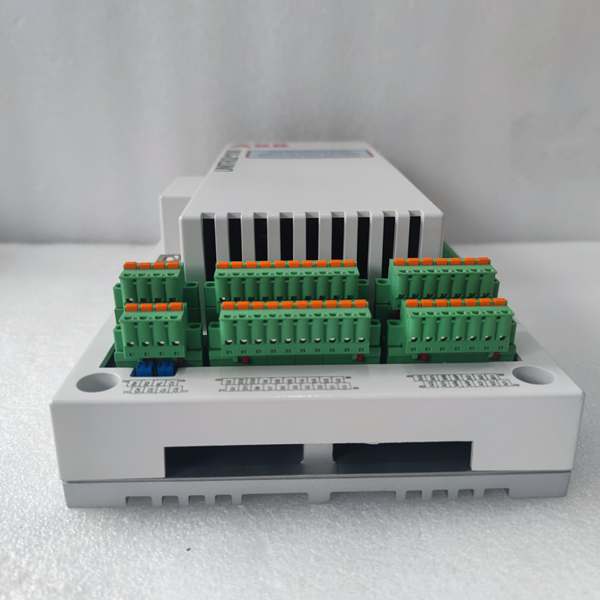
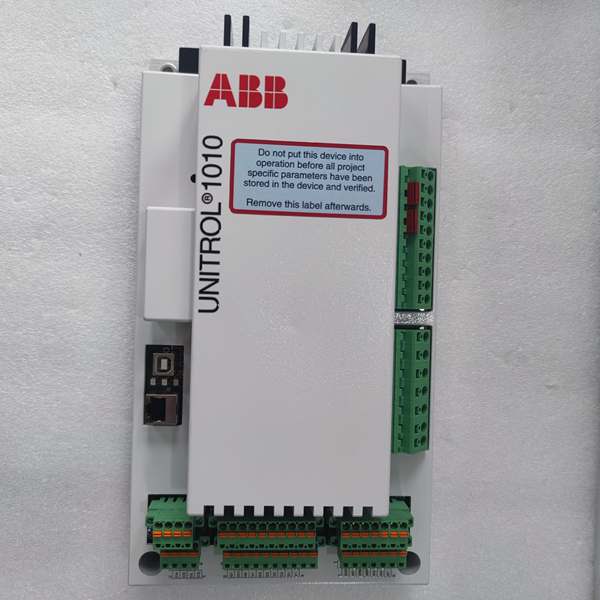
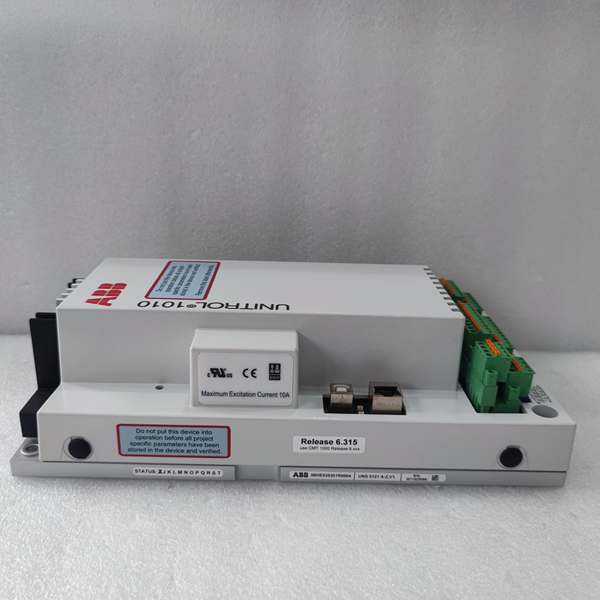
ABB UNITROL 1010 3BHE035301R1002
Field Application & Problem Solved
In medium-voltage power distribution—power plant substations, refinery electrical yards, paper mill switchgear—the biggest risk from failing components is unplanned outages. VCBs rely on closing coils to restore power after faults or maintenance, and generic coils fail catastrophically in harsh industrial environments. A Texas refinery lost $180k in a 4-hour outage when a generic closing coil burned out during a critical system restart, leaving a 20kV feeder de-energized. Legacy replacement coils also suffer from poor compatibility: a Pennsylvania power plant spent $12k annually replacing off-brand coils that misaligned with VD4 mechanisms, causing premature wear.
You’ll find this coil installed in VD4 series VCBs across mission-critical systems: 12kV distribution feeders in coal-fired power plants, 24kV process power switches in petrochemical facilities, and 36kV backup generators in data centers. Its core value is ABB-native compatibility + industrial ruggedness + reliable closure performance. The precise mechanical fit eliminates alignment issues that plague generics, while the Class F insulation withstands the extreme heat of switchgear compartments. For an Alaskan pipeline substation, the -25°C operating range ensured reliable operation in winter, unlike generic coils that seized in sub-zero temperatures.
Installation & Maintenance Pitfalls (Expert Tips)
- Voltage Verification Is Non-Negotiable: Rookies mistakenly connect 220V DC to this 110V coil, burning out windings instantly. A Midwest utility destroyed three coils ($4,500 total) during a substation upgrade. Use a multimeter to confirm control voltage before wiring—never assume the system uses standard voltage.
- Torque Terminals to 8Nm: Loose connections cause voltage drops and heat buildup, leading to intermittent closure failures. A Florida paper mill experienced weekly nuisance trips until technicians torqued terminals to ABB’s specified 8Nm. Use a calibrated torque screwdriver—over-tightening strips threads; under-tightening causes arcing.
- Maintain 15mm Heat Dissipation Clearance: Crowded switchgear compartments trap heat, reducing coil lifespan. A Colorado mining facility’s coils failed after 18 months due to zero clearance from adjacent components. Ensure 15mm of open space around the coil and clean dust/debris annually to improve airflow.
- Test Closure After Installation: Skip the “install and forget” approach. Use a circuit breaker analyzer to perform 3 consecutive trip-close-trip cycles, verifying closure time (80-120ms) and coil current draw. A North Carolina chemical plant missed a faulty coil during installation, leading to a 2-hour outage when it failed to close during a fault.
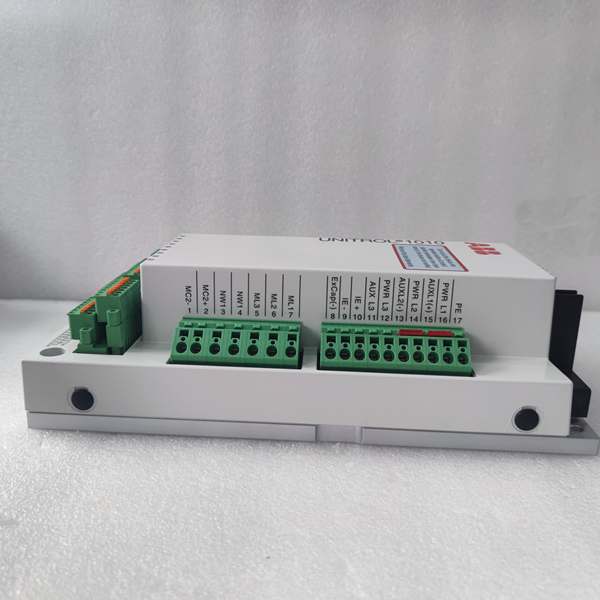
ABB UNITROL 1010 3BHE035301R1002
Technical Deep Dive & Overview
The 1VCR004291G0005 is an electromagnetic closing coil engineered exclusively for ABB’s VD4 series VCBs, designed to convert electrical energy into mechanical force for breaker closure. At its core, high-purity copper windings are wound around a laminated iron core—this design minimizes eddy current losses and maximizes magnetic flux density, delivering the 80-120ms closure time critical for power system stability. The coil’s insulation system uses Class F materials (polyimide tape + epoxy resin) to withstand the thermal stress of repeated 300W peak power draws.
Unlike generic coils, this part is precision-machined to match the VD4’s mechanical linkage, ensuring zero play or misalignment during actuation. The die-cast aluminum housing acts as a heat sink, dissipating thermal energy from the windings to prevent overheating. When energized, the coil generates a magnetic field that pulls a plunger, which engages the VD4’s closing spring mechanism—this mechanical integration is why ABB-native coils outlast generics by 3x in field service.
What sets it apart is its compatibility with ABB’s VD4 diagnostic systems: the coil’s current draw and closure time can be monitored via the breaker’s control unit, enabling predictive maintenance (e.g., alerting to increasing resistance before failure). For facilities where downtime costs $10k+/minute, this coil isn’t just a replacement part—it’s a reliability cornerstone that ensures power distribution systems recover quickly and safely.