Product Core Brief
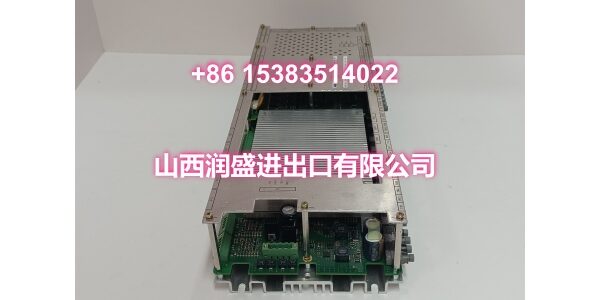
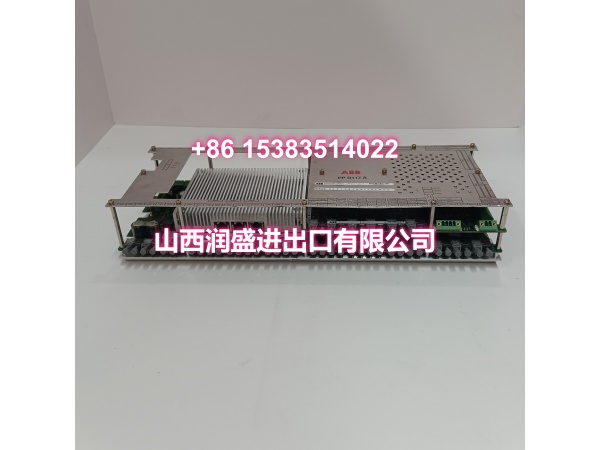
- Model: 3BHE030410R3011 (PPD117A3011)
- Brand: ABB
- Series: ABB Power System Excitation Control Series
- Integration Role: Core excitation controller for regulating generator output voltage and maintaining power system stability through precise excitation current control.
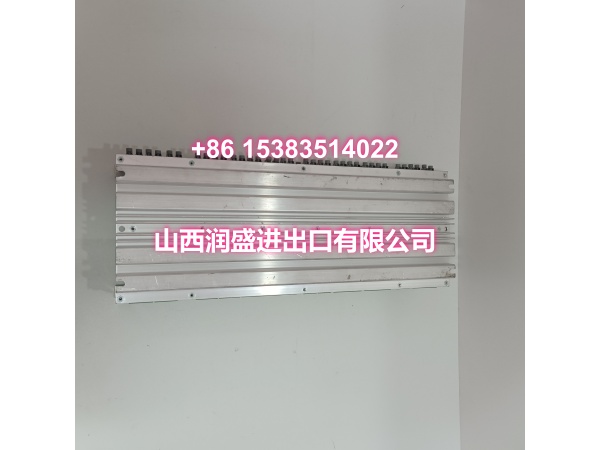
- Product Type: Excitation Controller Module
- Key Specs: AC 220V/380V Input | 50/60Hz | Modbus Communication | ±0.5% Voltage Accuracy
- Note: Condition: New Original (New Surplus).
Key Technical Specifications
| Parameter | Value |
|---|---|
| Manufacturer Part Number | 3BHE030410R3011 |
| Device Model | |
| Functional Type | Excitation Controller |
| Rated Input Voltage | AC 220V or AC 380V |
| AC Input Voltage Range | ±10% to ±15% |
| DC Input Voltage Range | ±5% to ±10% (for DC variants) |
| Input Frequency | 50Hz or 60Hz |
| Output Current | 5A to 20A |
| Rated Output Voltage | 50V DC (adjustable) |
| Voltage Stabilization Accuracy | ±0.5% to ±1% |
| Response Time | 10ms to 50ms |
| Communication Interface | Modbus |
| Protection Features | Over-voltage, Over-current, Under-voltage |
| Condition | New Original (New Surplus) |
Product Introduction
The ABB 3BHE030410R3011 (PPD117A3011) is a high-performance excitation controller module designed for power generation systems, industrial generator sets, and grid applications. It serves as the critical control unit for regulating generator excitation current, thereby maintaining stable output voltage and ensuring reliable power system operation.
For system integrators and power plant engineers, this controller delivers precise voltage regulation with ±0.5% to ±1% accuracy and fast response times of 10ms to 50ms, enabling rapid compensation for load changes and grid disturbances. Its real-time feedback control continuously monitors generator operating conditions and automatically adjusts excitation current to keep voltage within set parameters.
The module features comprehensive built-in protection against over-voltage, over-current, and under-voltage conditions, safeguarding both the generator and connected equipment from fault conditions. With Modbus communication support, it integrates seamlessly with SCADA systems and higher-level plant control networks, enabling remote monitoring, parameter configuration, and diagnostic data retrieval.
Designed for demanding industrial environments, the PPD117A3011 handles extreme operating conditions including temperature fluctuations and current variations, making it suitable for power plants, industrial cogeneration facilities, marine power systems, and grid voltage regulation applications.
Integration & Application Notes
As a generator excitation controller, proper integration requires attention to electrical compatibility, communication setup, and protection coordination.
- Voltage Matching: Verify your generator’s rated excitation voltage and current requirements against the controller’s output specifications (50V DC rated output, 5A to 20A output current range). Mismatched ratings can lead to inadequate excitation or component damage.
- Input Power Configuration: The controller supports AC 220V or AC 380V input at 50/60Hz. Ensure your auxiliary power supply matches the configured input rating and falls within the ±10% to ±15% tolerance range.
- Modbus Communication Setup: When integrating with a SCADA or DCS system via Modbus, carefully configure the slave address, baud rate, and register mapping. Verify the register definitions for voltage setpoints, feedback values, alarm status, and control commands before commissioning.
- Protection Coordination: The built-in over-voltage, over-current, and under-voltage protections should be coordinated with your generator’s protection relay settings. Ensure trip thresholds and time delays are properly aligned to avoid nuisance tripping or delayed fault response.
- Feedback Signal Wiring: The controller relies on real-time voltage and current feedback signals for closed-loop regulation. Use shielded cables for feedback signal wiring to minimize electromagnetic interference, especially in high-voltage switchyard environments.
- Redundancy Considerations: For critical power generation applications, consider deploying redundant excitation controllers with automatic switchover capability. Verify that both units have identical parameter sets and firmware versions before enabling redundancy.
Integrator’s FAQ
1. What types of generators is this excitation controller compatible with? The PPD117A3011 is designed for synchronous generators used in power plants, industrial cogeneration systems, marine applications, and standalone generator sets. Its adjustable output voltage (up to 50V DC) and current range (5A to 20A) accommodate a wide range of generator sizes and excitation system configurations. Verify your generator’s excitation winding specifications against the controller’s output ratings before integration.
2. How does the controller maintain voltage stability during load changes? The controller employs real-time feedback control, continuously monitoring the generator’s output voltage and comparing it against the setpoint. When a load change causes voltage deviation, the controller automatically adjusts the excitation current within its 10ms to 50ms response window to restore voltage to the target range. This rapid response minimizes voltage fluctuations and protects connected equipment from power quality issues.
3. Can this controller be integrated with non-ABB SCADA systems? Yes. With Modbus communication support, the PPD117A3011 can integrate with any SCADA or DCS system that supports the Modbus protocol (RTU or TCP). You will need to obtain the register map from the controller documentation and configure your SCADA system to read/write the appropriate registers for monitoring and control.
4. What protection functions are built into this controller? The controller includes over-voltage, over-current, and under-voltage protection functions. These protections monitor critical operating parameters and trigger appropriate responses (alarm or trip) when thresholds are exceeded, preventing damage to the generator excitation system and connected equipment. Protection thresholds should be configured based on your generator’s specific ratings and operational requirements.
5. What is the warranty difference between New Surplus and Refurbished? We supply this unit as New Original (New Surplus), meaning it is unused, original factory stock, typically still in its anti-static packaging. This comes with a standard 12-month warranty. “Refurbished” excitation controllers carry significant risks, including aged capacitors, degraded power semiconductors from previous thermal cycling, and potential firmware corruption. Refurbished units often come with short, limited warranties (30-90 days) that do not cover latent defects.
6. Why is the pricing lower than direct OEM but higher than used parts? Our pricing reflects the value of guaranteed, unused condition. Unlike used parts from general marketplaces—which may have unknown operational hours, undocumented fault history, or degraded internal components—our New Surplus inventory is verified for authenticity and condition. You avoid the premium of custom OEM manufacturing for legacy parts while securing a component that performs like new, minimizing the risk of unplanned generator downtime in critical power generation applications.