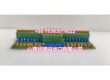
Component Snapshot At-a-Glance
- Model: METSO D201134, type designation AI8C
- Alt. P/N: D201189 (AI8H HART-enabled RT analog input personality); A413188 (main cabinet 8CH AI non-HART rack card, incompatible AP31 backplane pinout); D201466 (8CH digital input personality)
- Product Series: Metso DNA AP31 remote I/O personality module family, mates exclusively with RT node base chassis D200137
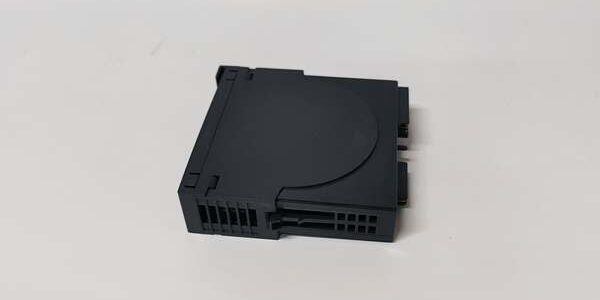
- Hardware Type: Horizontal plug-in personality PCB, front green screw terminal block for standard 4–20mA field transmitters, 8 individual channel status LEDs, gold-plated rear edge connector to RT node backplane
- Key Feature: 8 fully galvanically isolated non-HART 4–20mA analog input channels, built-in per-channel TVS surge suppression, open/short transmitter loop fault detection, no HART FSK demodulation hardware
- Primary Field Use: Sample pressure, flow, temperature, density passive/active 4–20mA transmitters without smart diagnostics and send scaled analog values to AP31 RT node base unit for DNA DCS closed-loop process control.
Hard-Numbers: Technical Specifications
- Protocol Support: No HART modulation; proprietary DNA RT node internal parallel backplane bus, no external fieldbus ports on personality card
- Port Count: 8 independent 4–20mA analog input field terminal pairs
- Baud/Data Rate: RT node fixed 100ms full channel scan refresh cycle
- Operating Temperature: 0°C to +55°C cabinet operational; -40°C to +85°C storage
- Isolation Rating: 1500Vrms channel-to-backplane galvanic isolation
- Power Draw: 3.1W total module load at nominal 24VDC RT node backplane supply
- Main Input Power: 20–30VDC station cabinet battery, nominal 24VDC backplane feed
- Input Signal Range: Standard industrial passive/active 4–20mA transmitters
- Max Loop Resistance: 600Ω per input channel
- Fault Diagnostics: Per-channel open wire / short-circuit loop flagging to RT node CPU
- EMC Compliance: IEC 61000-6-2 industrial surge, VFD noise and cabinet vibration immunity
- PCB Treatment: Full acrylic anti-moisture conformal coating for pulp mill high-humidity, dusty MCC cabinets
- Physical Weight: 0.41kg single personality slot form factor
The Real-World Problem It Solves
Stacking multiple low-density 4-channel analog personality cards eats limited RT node rack slots and adds dozens of field wiring splices that corrode in humid pulp mill environments.Unisolated analog input wiring creates common-mode ground offset from long field transmitter cables; voltage skew distorts flow/temperature readings and triggers false high/low process alarms during VFD motor startup transients. This non-HART unit costs less than D201189 AI8H for basic analog transmitters that do not require device predictive maintenance data.Where you’ll typically find it:
- Pulp & paper machine remote AP31 RT node cabinets for basic stock flow, dryer temperature, steam pressure analog transmitters
- Mineral concentrator grinding/flotation MCC remote I/O racks for simple ore feed density and tank level sensors
- Wastewater treatment plant aeration tank and sludge pump analog signal acquisition remote nodesThis single-slot 8-channel non-HART isolated analog personality card consolidates basic transmitter signal collection, eliminates ground loop measurement drift, and cuts remote cabinet wiring maintenance points in half compared to low-density 4-channel alternatives.
Hardware Architecture & Under-the-Hood Logic
This personality card contains no standalone processing MCU; it acts as isolated analog signal buffer between field 4–20mA transmitter wiring and the AP31 RT node base unit D200137 main logic board. All scan timing and fault handling lives on the RT node main board.
- 24VDC RT node backplane power feeds onboard EMI filter to strip breaker and VFD switching noise before powering isolated ADC circuits and channel LED drivers.
- Each of the 8 analog channels passes independent TVS surge suppression and galvanic isolation barrier to break field ground and RT node control ground potential differences.
- 16-bit ADC converts raw 4–20mA current signals to standardized scaled engineering values; no HART demodulation circuits installed on this model.
- All eight channel process values and fault status registers transmit to the DNA backplane bus on fixed 100ms scan intervals.
- Front panel individual LED per channel: green = valid 4–20mA signal present, red = open/short transmitter fault for fast on-site troubleshooting without DCS workstation access.
Field Service Pitfalls: What Rookies Get Wrong
Swapping D201189 HART AI8H Or A413188 Main Rack AI Cards In Place Of D201134
New technicians grab alternate I/O spares without matching full part number. A413188 uses main rack backplane pin mapping incompatible with AP31 RT node chassis; D201189 HART modules carry unused FSK hardware and waste spare inventory cost for basic non-smart transmitters.Field Rule: Only deploy D201134 AI8C for RT node non-HART analog input personality slots; store HART AI8H and main cabinet AI spares in separate clearly labeled storage bins.
Hot-Swapping Personality Card While Live Transmitter Field Wiring Remains Terminated
Junior crews pull the D201134 module while field 4–20mA transmitter wiring stays energized. Open-circuit transients surge backward through the RT node backplane, corrupting node I/O trend registers and triggering unplanned process interlock trips.Quick Fix: Lock out and de-energize all field analog transmitter wiring at cabinet terminal blocks before extracting the D201134 personality card.
Daisy-Chaining Multiple 2-Wire Passive Transmitters On One Channel
Rookies wire two passive 4–20mA transmitters in series to a single module input channel. Total loop resistance exceeds ADC compliance voltage, signal flatlines at low process values and generates constant false low-alarm faults.Field Rule: One passive 4–20mA transmitter per D201134 channel maximum; multi-sensor circuits require dedicated isolated signal splitters for extra transmitters.
Commercial Availability & Pricing Note
Please note: The listed price is for reference only and is not binding. Final pricing and terms are subject to negotiation based on current market conditions and availability.