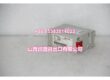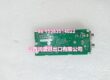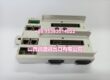
Product Core Brief
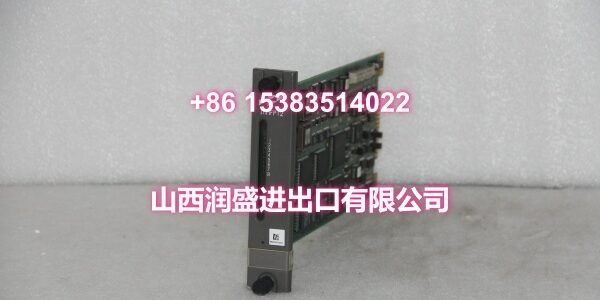
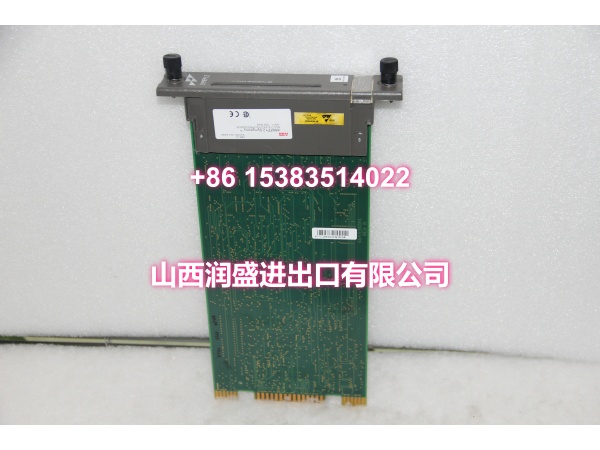
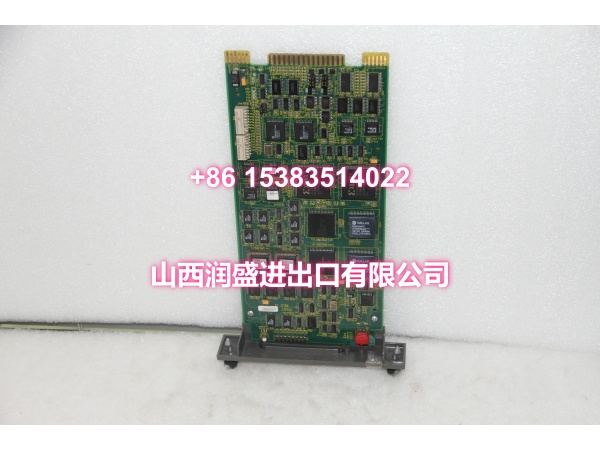
- Model: IMMFP12
- Brand: ABB
- Series: Bailey Infi 90 / Symphony Harmony
- Core Function: 32-bit multifunction processor that executes control algorithms, manages I/O sub-modules, and communicates over Controlway in Infi 90/Harmony DCS systems.
- Product Type: Multifunction processor (MFP) controller module
- Key Specs: 16 MHz 32-bit CPU | 512 KB RAM + 256 KB NVRAM | 1:1 hot redundancy | Controlway 1 Mbps
- Condition: New Original / New Surplus (subject to available stock)
Key Technical Specifications
| Parameter | Detail |
|---|---|
| Product Type | Multifunction processor (MFP) controller |
| Compatible System | ABB Bailey Infi 90 / Symphony Harmony |
| CPU | 16 MHz, 32-bit microprocessor |
| Memory | 512 KB RAM, 256 KB NVRAM, ROM |
| Control Languages | Function codes, C, Basic, Batch 90, Ladder |
| Scan Structure | 8 segmented multitasking execution periods |
| Minimum Scan Time | ~550 µs |
| Redundancy | 1:1 hot redundancy, bumpless switchover |
| Network | Controlway, 1 Mbps peer-to-peer |
| Serial Ports | 2 × RS-232-C |
| Station Link | Supports IISAC01 / NDCS03 station chain |
| Sub-Module Support | IMASI23, IMDSI14, IMDSO14, IMCIS22, etc. |
| Operating Temperature | 0 °C to +60 °C |
| Mounting | Harmony rack / MMU backplane |
| Typical Use | Continuous control, sequential logic, batch, data acquisition |
Product Introduction (No Fluff)
The ABB IMMFP12 is the workhorse MFP controller for Bailey Infi 90 and Symphony Harmony systems. It runs function-code logic, ladder, C, Basic, and Batch 90 programs while managing analog and digital I/O sub-modules through the local sub-bus.
What keeps this module relevant is its segmented multitasking architecture and 1:1 redundancy. Fast loops run in high-priority segments; slower supervisory logic runs independently. When configured as a redundant pair, the standby unit tracks the primary and takes over without bumping the process — a critical feature for power, pulp, and chemical plants running legacy DCS.
QA & Testing SOP (Dynamic & Transparent)
Controller modules demand more than a power-on check. We validate boot, memory, and communication.
- Incoming inspection: Verify model marking, hardware/firmware revision, backplane connector condition, and NVRAM battery area. Check for corrosion, bent pins, or prior repair signs.
- Anti-counterfeit check: Inspect PCB finish, label formatting, serial consistency, and connector quality against known OEM characteristics.
- Cold-boot test: Seat the module in a compatible Harmony test rack. Apply backplane power and verify normal LED sequence, CPU self-test, and absence of fault codes.
- Memory verification: Confirm RAM and NVRAM are recognized. Check that stored configuration survives a power cycle where a loaded config is present.
- Communication check: Verify Controlway link establishment and peer-to-peer communication where test fixtures allow. Confirm serial port responsiveness on RS-232 channels.
All units are packed in anti-static bags with connector protection. If your site requires a specific firmware or hardware revision match, send the existing module label photo before ordering.
Installation Pitfalls & Guide (Engineer to Engineer)
This is the brain of the rack. Mistakes here cascade.
❗ Never pull the active unit in a non-redundant configuration. The IMMFP12 supports hot-swap only when a synchronized redundant partner is present and carrying the load.
❗ Verify redundancy jumpers and configuration. A mismatched primary/standby setup can prevent synchronization or cause an unintended switchover during insertion.
❗ Check the Controlway address. Duplicate node addresses on the same Controlway segment will create communication conflicts that look like random module faults.
❗ Respect the sub-module slot map. The MFP manages sub-modules through a defined sub-bus arrangement. Installing I/O sub-modules in the wrong slots can prevent recognition.
Replacement steps
- Pre-install: Confirm redundancy status, Controlway address, firmware revision, and sub-module slot configuration.
- Removal: For redundant pairs, verify the partner is in “primary” or “active” state before removing the standby. For single units, schedule a controlled outage.
- Install: Inspect backplane contacts, seat the module fully, and verify redundancy synchronization LEDs before proceeding.
- Power-on test: Confirm CPU LED status, Controlway communication, sub-module recognition, and alarm-free operation. Download or verify configuration as required.
Technical FAQ
Is the IMMFP12 still available?
Yes, as new surplus and OEM replacement stock. The module is considered legacy/obsolete by ABB, but inventory remains available through specialized suppliers. Confirm current quantity before planning a shutdown.
Can I replace an IMMFP11 with an IMMFP12?
Generally yes — the IMMFP12 is backward compatible with IMMFP11 applications. Still verify function-code compatibility and firmware revision before swapping.
What is the warranty?
Surplus units typically carry 30–90 days depending on condition. New original stock may qualify for longer coverage. The exact term is stated on the quote.
Does it support hot-swap?
Yes, but only in a properly configured 1:1 redundant pair. The standby unit can be removed and replaced while the primary carries control. Never remove the only active controller.
Can you test it before shipping?
Yes. We perform cold-boot, memory, LED, and communication checks. If your site requires a documented test report with specific verification steps, request it before ordering.