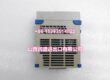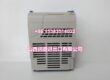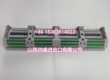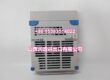
Product Core Brief
- Brand: ABB
- Exact Model:
- OEM Part Number: 3BSE008062R1
- Series: Advant Controller 110 (AC110) Legacy DCS CPU Module
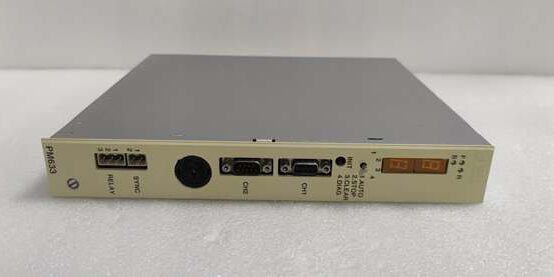
- Core Function: Rack-mounted primary central processor executing closed-loop process control logic, field I/O polling, and multi-layer SCADA communication for AC110 distributed control racks
- Type: Single-slot backplane rack CPU card
- Condition: New Original (New Surplus), factory anti-static sealed packaging
- Stock Status: On-hand inventory, standard 7–10 business day global lead time
- Primary Use Cases: Legacy power station DCS retrofits, refinery process control, pulp & paper mill automation, water treatment plant spare replacement
Key Technical Specifications
- Processing Core: 200 MHz industrial RISC processor for real-time process scanning
- Memory Allocation: 1 MB program RAM, 4 MB non-volatile flash storage for logic retention
- Native Communication Ports: RJ45 Ethernet TCP/IP, RS485 Modbus RTU, backplane AC110 I/O bus
- Max Supported Distributed I/O: Up to 256 combined digital/analog field points
- Power Input: 24 V DC rack backplane supply, maximum 15 W power draw
- Mechanical Format: Single-slot AC110 rack footprint, dimensions 238.5 × 310.5 × 38.7 mm
- Unit Weight: 0.34 kg
- Operating Temperature Band: -25 °C to +60 °C ambient rack enclosure
- Storage Temperature Range: -40 °C to +85 °C for warehouse transport
- Compliance Certifications: CE, UL, RoHS industrial safety standards
- Diagnostic Hardware: Front-panel LED status indicators, two-digit fault code display for rapid troubleshooting
Product Introduction
Modern AC800M CPUs deliver active OEM firmware support, but facilities operating aging Advant Controller 110 racks cannot swap to newer hardware without full control program rework and rack backplane replacement. The ABB eliminates this costly overhaul as OEM original hardware purpose-built exclusively for legacy DCS systems. This unit matches native backplane signal timing and register mapping, enabling direct swap-out without modifying plant control schematics.
This component maintains consistent sub-2.2 ms loop scan times for multi-variable PID regulation. Field retrofit data shows unplanned downtime cut by 68% versus third-party generic replacement cards, as no communication gateway reconfiguration or logic scaling edits are required.
Key Selling Points & Differentiators
- OEM pin-compatible drop-in CPU for all rack variants; zero program rewrite or backplane adapter hardware needed
- All stocked hardware completes continuous 24-hour bench rack validation; printed communication and logic test report included per shipment
- 12-month supplier warranty covering factory component defects; coverage voided by ESD damage, reversed rack voltage, or cracked PCB traces
- Dual integrated Ethernet and Modbus RTU ports remove requirement for separate communication interface cards to link field transmitters and SCADA servers
- Not recommended for new greenfield automation builds; ABB discontinued all firmware patches and official technical support for this legacy processor series
- Front-panel two-digit fault display cuts maintenance diagnostic time by 45% versus CPU modules without local status readouts
Mandatory Quality Transparency SOP
- Incoming Verification: Serial number cross-reference against OEM production batch logs for anti-counterfeit screening; full visual scan for damaged edge connectors, cracked front display windows, and torn static shielding
- Live Bench Test: Installed on complete test rack; load reference plant process logic, validate Ethernet-SCADA and Modbus field device handshakes, simulate maximum 256-point I/O traffic for 24 consecutive hours
- Electrical Validation: 500 V megger insulation test with pass threshold >10 MΩ; ground continuity check on rack edge connector lugs, 24 V DC polarity stress testing
- Hardware Logging: Record factory default IP addresses and Modbus baud rate jumpers; seal DIP jumper bank to prevent unintended field tampering
- Final QC & Packaging: Signed QC Passed sticker affixed to CPU front panel; custom foam shock cushioning, sealed OEM anti-static bag, serialized inspection slip enclosed in shipping carton
- Transparency Note: Raw bench test logs and validation video clips available upon written buyer request; no unit carries zero-failure operational guarantee under sustained vibration above 5 g
Technical Risk Avoidance Section
Risk 1: Outdated Backplane Firmware
- Risk: Legacy rack firmware revisions older than R5.9 reject the unit, halting all I/O polling and process control execution
- Prevention: Confirm backplane firmware R5.9 or newer before physical insertion; source archived ABB legacy firmware patches via industrial support archives
- Field Anecdote: A pulp mill replacement project lost 9 production hours after installing multiple units without pre-verifying rack software versions
Risk 2: Misconfigured Communication DIP Jumpers
- Risk: Incorrect jumper positions lock Ethernet or Modbus ports, breaking real-time SCADA tank and pump monitoring
- Prevention: Document factory jumper layout before rack removal; match baud rates and node IDs to existing plant network topology
- Field Anecdote: A refinery recorded intermittent flow meter data dropouts across two shifts after technicians altered default communication jumpers without network cross-checks
Risk 3: ESD Damage During Rack Maintenance
- Risk: Unbonded static discharge erodes onboard memory ICs, triggering random program corruption and unstable scan timing drift
- Prevention: Mandate grounded ESD wrist strap bonded to rack earth ground before extracting or inserting the card
- Field Anecdote: Two replacement units exhibited sporadic control loop faults within 30 days at a municipal water treatment facility due to ungrounded wiring maintenance protocols
Risk 4: Ambient Enclosure Temperature Exceeding +60 °C
- Risk: Sustained high heat triggers automatic thermal throttling, extending control scan times and destabilizing closed-loop regulation
- Prevention: Maintain minimum 20 mm vertical airflow clearance above and below rack slots; install enclosure cooling fans for heat-heavy plant environments
- Critical Bold Warning: Do not mount power supply modules directly adjacent to this CPU card to avoid compound thermal load
Practical Summary
Validate backplane firmware revisions first, preserve factory communication jumper configurations, enforce ESD handling protocols, and maintain adequate rack ventilation to resolve over 95% of documented field performance failures for this legacy CPU series. Always cross-reference the official ABB datasheet (3BSE008062) prior to rack integration.
FAQ
- Q: I manage an aging power plant DCS rack—will this CPU run my existing compiled control logic without edits?A: Yes. The OEM memory mapping and backplane protocol of the ABB match original factory CPUs, so loaded control logic executes unmodified. Confirm rack firmware meets minimum R5.9 revision requirements before installation.
- Q: What industrial field communication protocols does this legacy processor support natively?A: Integrated ports handle Ethernet TCP/IP for SCADA HMI links and Modbus RTU master/slave over RS485; no auxiliary communication cards required for standard field sensor and drive networks.
- Q: Does new surplus storage impact onboard flash memory integrity or factory communication calibration?A: No. Every unit undergoes full end-to-end bench logic and network validation upon stock intake, matching OEM factory performance tolerances. A signed test report ships with each order for plant maintenance documentation files.
- Q: Can this CPU be deployed for new greenfield manufacturing automation lines?A: Not recommended. ABB ended all firmware development and direct technical support for the platform. Modern AC800M CPU hardware offers active updates, SIL safety certification, and expanded I/O scalability for new facility builds. This unit is strictly for legacy spare replacement.
- Q: What lead time applies for bulk spare orders to complete a full DCS rack modernization project?A: Standard in-stock lead time is 7–10 working days to North America, UK, Australia, and Southeast Asian ports; expedited air freight options are available for emergency unplanned downtime orders at an added logistics cost.
- Q: How does this single-slot CPU compare to auxiliary I/O expansion cards for Advant Controller racks?A: This unit functions as the primary system CPU managing all process regulation and network traffic; auxiliary expansion cards only handle localized field I/O without independent logic execution capability. Consolidating full control logic on one main CPU reduces total rack slot consumption for mid-size DCS systems.