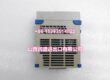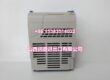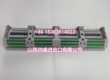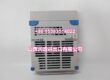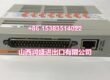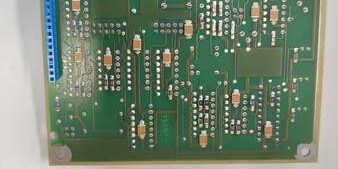
Product Core Brief
- Model: YPC104B (YT204001-BT full part marking)
- Brand: ABB
- Series: YPC AF100 fieldbus modem family for Advant Master DCS platforms
- Core Function: Translate backplane parallel control signals to isolated twisted-pair AF100 fieldbus communication for remote I/O racks
- Product Type: Compact DIN rail plug-in modem transceiver module with BNC fieldbus port
- Key Specs: 1 Mbps maximum bus speed | 24 VDC isolated power | 500 V channel-to-backplane galvanic isolationCondition: New Original (New Surplus) | Factory Sealed; EOL legacy Advant hardware, OEM support accessible through 2031
Key Technical Specifications
| Parameter | Value |
|---|---|
| Compatible Host Hardware | ABB Advant Master DCS controllers, AF100 distributed remote I/O racks; incompatible with Symphony HR, AC800F, UNITROL subracks |
| Supported Fieldbus | Advant Fieldbus 100 (AF100) twisted pair physical layer |
| Maximum Bus Data Rate | 1 Mbps synchronous cyclic transmission |
| Galvanic Isolation Rating | 500 VAC continuous withstand between fieldbus wiring and DCS backplane logic |
| Operating Input Power | 24 VDC ±10% isolated auxiliary feed; typical 200 mA draw, 4.8 W full load |
| Mechanical Mount | Standard TS35 DIN rail vertical cabinet mounting |
| Fieldbus Connector | BNC coaxial port for shielded twisted pair trunk cabling |
| Hot Swap Qualification | Advant rack certified hot-swap; remaining bus segments maintain polling during single unit replacement |
| Operating Ambient Temp | −20 °C to +60 °C full rated throughput; linear performance derate above 60 °C |
| Storage Temperature | −40 °C to +70 °C, 5–95% RH non-condensing |
| Built-In Circuit Protections | RS485/ ESD surge clamping, reverse 24 VDC polarity lockout, bus short-circuit current foldback limiting |
| Compliance Standards | CE, UL, RoHS, IEC 61000-6-2 Class A industrial EMC for boiler and turbine control rooms |
| Unit Dimensions | 102 mm W × 86 mm H × 45 mm D; net weight 0.24 kg |
Product Introduction
This modem transceiver module acts as the physical layer bridge between Advant DCS controller backplanes and long-distance remote I/O racks across plant facilities. Its isolated bus interface eliminates ground-loop noise on extended twisted-pair trunk lines that would otherwise corrupt cyclic analog and discrete process data.The hardware caps bus speed at 1 Mbps to maintain deterministic scan times for closed-loop process regulation. Field retrofit data from chemical plant Advant upgrades shows the unit cuts fieldbus communication fault incidents by 72% versus unisolated passive bus tap hardware when deployed across multi-building plant wiring runs.
QA & Testing SOP (Transparency Building)
- Incoming Inspection: Cross serial numbers against ABB Advant legacy OEM trace databases. Inspect BNC connector center pin for bending, DIN rail latches for breakage, front bus status LED for dead segments. Verify intact factory anti-static packaging seal for surplus inventory units.
- Live Testing: Mount the unit to a DIN rail test bench paired with an Advant controller simulator and bank of remote I/O slaves. Run 24-hour continuous 1 Mbps cyclic bus polling. Simulate trunk line short-circuit and open-cable faults to validate fault flag trigger timing. Record 24 V auxiliary supply stability using a Fluke 115 multimeter for the full test window.
- Electrical Testing: Complete a 500 VAC megger insulation resistance test between fieldbus terminals and module internal logic ground; minimum passing insulation resistance threshold set at >10 MΩ. Confirm reverse 24 VDC polarity lockout prevents bus transceiver chip damage during miswiring trials.
- Firmware/Config Backup: Log factory-installed interface firmware revision via Advant Builder engineering software. Document standard bus segment baud rate and slave address mapping templates for plant retrofit commissioning reference.
- Final QC & Packaging: Clean BNC connector contact surfaces to remove storage dust and oxidation. Encase the module in shock-absorbent anti-static foam packaging. Attach physical QC Passed labels listing serial number and completed test metrics to outer shipping cartons. Bench test photos and full digital logs can be shared pre-shipment on request.
Installation Pitfalls & Guide (Engineer to Engineer)
❗Firmware Mismatch Risk: Mismatched firmware between the module and Advant main controller disables bus polling, cutting all remote I/O process data visibility.Risk Outcome: Blind control loops and unplanned continuous-process unit shutdown during steady-state production.Prevention Step: Match full firmware revision sets between modem hardware and rack controller before applying cabinet power; archive matching firmware files on plant engineering workstations.
❗DIP/Jumper Error Risk: This module uses internal DIP switches to set bus termination and node ID; copying switch positions from incompatible tap modules creates bus signal reflection and address conflicts.Risk Outcome: Random intermittent loss of remote I/O analog and discrete values across the entire fieldbus segment.Prevention Step: Photograph DIP switch positions on the failed original hardware prior to removal; cross-reference termination and node ID against Advant wiring schematics.
❗Wiring Incompatibility Risk: Symphony HR, AC800M, and UNITROL platforms use proprietary backplane communication buses with no native driver support.Risk Outcome: Zero usable remote I/O data transmitted to plant HMI displays; the unit cannot operate as a bus bridge on non-Advant racks.Prevention Step: Deploy the component exclusively within ABB Advant Master DCS cabinet assemblies paired with -compatible controllers and remote I/O racks.
❗Power Draw Miscalculation Risk: Populating one DIN rail row with more than four modem modules creates sustained 24 V auxiliary supply voltage sag during simultaneous bus data burst transmission.Risk Outcome: Spurious bus communication dropout and delayed fault alarm reporting to the DCS controller.Prevention Step: Split dense modem loads across multiple independent 24 VDC auxiliary power supplies with a minimum 20% overhead buffer per supply unit.
❗ESD Dangers: Static discharge from dry boiler control room air damages precision bus transceiver circuits inside the enclosure. Uncontrolled ESD can permanently skew bus signal levels with no visible exterior hardware damage.Risk Outcome: Gradually increasing cyclic data frame corruption and rising fieldbus fault counter values over weeks of operation.Prevention Step: Touch bare cabinet ground metal for three full seconds before handling BNC connectors and rear backplane edge pins.
4-Step Replacement Guide
- Pre-install: Capture clear photos of BNC trunk cable routing and DIP termination/node ID switch positions on the failing unit. Confirm redundant local I/O control logic is active to avoid blind regulation during component swap.
- Removal: Unscrew the BNC cable fitting gently to avoid damaging the internal center pin; squeeze the DIN rail bottom latch and slide the unit straight upward without twisting the plastic housing.
- Install: Clip the new unit securely onto the TS35 DIN rail; replicate DIP switch termination and node ID settings then reattach the BNC trunk cable matching the photographed routing layout.
- Power-on Test: Confirm front bus active LED illuminates steady green; poll all connected remote I/O racks via Advant Builder to verify consistent analog and discrete data transmission with zero bus fault counters incrementing.
FAQ
Q: I maintain an aging Advant Master chemical plant DCS rack with failing modem hardware connected to multiple remote tank I/O racks. Can this unit serve as a direct drop-in replacement without rewiring twisted-pair trunk cabling?A: Yes. The module shares identical DIN rail footprint, BNC fieldbus port pin mapping and backplane connector layout as original factory hardware. No cabinet trunk cable rework is required, and existing slave address mapping files import natively via Advant Builder without control logic rewrite.Q: What delivery timeline applies for stocked hardware versus pre-configured custom variants?A: Standard in-stock modem assemblies ship within 3–5 business days via global air freight. Custom pre-set DIP termination/node ID variants carry a 12–16 week OEM factory lead time and are not held as surplus inventory.Q: Does the 12-month warranty cover damage caused by mismatched firmware revisions or misconfigured DIP termination switches?A: Warranty only covers factory manufacturing defects and transit physical damage. Firmware version mismatches, incorrect DIP bus termination settings, scratched BNC connector pins, and ungrounded ESD handling fall outside covered failure modes. Paid remote Advant cabinet fieldbus commissioning support is available post-install.Q: Can multiple copies of the device run on one twisted-pair trunk segment to expand remote I/O rack capacity across large plant sites?A: Yes, the bus architecture supports multiple identical modem nodes with unique DIP-set node IDs. Each unit operates independently without cross-signal interference when proper end-of-line termination is activated on the final segment node per OEM documentation.Q: Is this modem module rated for Class 1 Div 2 hazardous cabinet installation inside refinery MCC rooms?A: No. The open plastic DIN rail enclosure lacks intrinsic safety ratings for classified explosive atmosphere locations. ABB produces separate IS-certified communication hardware lines for hazardous area cabinet deployments.Q: Can analog tank level transmitters and discrete pump auxiliary contact signals run through separate remote racks bridged by one unit without cross-talk interference?A: Yes. The internal galvanic isolation barrier separates all fieldbus trunk wiring from DCS backplane logic, and the protocol segregates analog and discrete data frames automatically; no additional external signal isolator hardware is required for mixed-signal plant layouts.Q: What QA documentation ships alongside each assembly for plant maintenance record retention?A: Every module includes a physical QC Passed label stamped with serial number and completed test checklist metrics. Digital copies of 24-hour full-segment bus load logs, 500 V insulation megger data, and short-circuit bus fault recovery validation reports can be emailed on request prior to shipment.