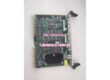
Component Snapshot At-a-Glance
- Model: IS200SRTDH2ACB
- Alt. P/N: Base uncoated IS200SRTDH2A; no cross OEM replacement
- Product Series: GE Speedtronic Mark VI Turbine Control Platform
- Hardware Type: Simplex RTD field terminal interface board (SRTD)
- Key Feature: Triple-layer conformal coating + onboard board ID chip for auto-recognition by PRTD I/O packs
- Primary Field Use: Terminate 8 field RTD sensors and route temperature signals to IS220PRTDH1BC RTD input I/O packs for turbine safety interlocks
Hard-Numbers: Technical Specifications
- Protocol Support: Mark VI backplane proprietary I/O bus, ToolboxST diagnostic communication
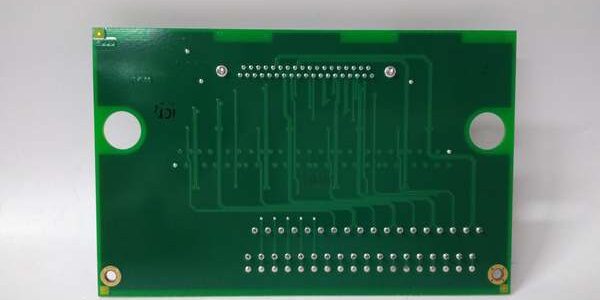
- Port Count: 1 × 37-pin D-Sub backplane connector, 2 × 18-position pluggable Euro-block terminal strips (36 total terminals)
- Wire Gauge Compatibility: #14–#18 AWG solid/stranded sensor cable
- Operating Temperature: -30 °C to +65 °C; derate to +55 °C in unventilated turbine enclosures
- Storage Temperature: -40 °C to +85 °C
- Isolation Rating: 1000 VAC channel-to-backplane galvanic isolation per sensor circuit
- Power Draw: Passive signal board; no active power consumption, powered via paired PRTD I/O pack
- RTD Channel Count: 8 independent sensor input channels
- Supported RTD Types: 2-wire / 3-wire Pt100, Ni120, Cu10 temperature probes
- Mount Format: DIN rail or flat panel screw mount with factory metal bracket
- Ingress Protection: IP20; conformal coating resists turbine oil mist and high cabinet humidity
- Board Identification: Non-volatile ID chip for auto-hardware detection by Mark VI PRTD packs
The Real-World Problem It Solves
Unterminated loose RTD wiring and uncoated bare terminal boards corrode rapidly in humid turbine houses, creating intermittent open/short sensor faults that disable critical over-trip protection. Separate generic terminal strips lack channel isolation, letting VFD noise bleed into temperature signals and generate false bearing overheat alarms. Older non-ID SRTD boards require manual hardware tree configuration, introducing human error during cabinet retrofits.
Where you’ll typically find it:
- Combined-cycle gas turbine control cabinets connecting compressor bearing and exhaust RTDs
- Steam turbine lube oil monitoring racks for generator stator and thrust bearing temperature sensors
- Refinery turbine-driven compressor MCCs tracking process fluid and casing metal temperatures
Bottom-line value statement: Conformal coating, built-in isolation and auto-ID chip cut sensor signal noise, corrosion failures, and manual configuration work for all turbine temperature safety loops.
Hardware Architecture & Under-the-Hood Logic
This is a passive signal conditioning terminal board with no on-board CPU; all analog conversion and data processing happens on the mating IS220PRTDH1BC PRTD I/O pack. Isolation diodes and filter components on each channel block ground loop transients from long field sensor cables.
- Two pluggable 18-terminal Euro-block strips accept field RTD 2/3-wire sensor wiring for all 8 channels
- Per-channel passive RC filters suppress high-frequency electrical noise from nearby variable frequency drive cabling
- Galvanic isolation circuitry separates every sensor channel from the 37-pin backplane D-Sub connector
- Onboard unique ID chip transmits board model and channel count to PRTD I/O pack on rack power-up
- 37-pin D-Sub hardwires all conditioned RTD resistance signals through cabinet cabling to PRTD I/O pack analog front-end
- No local data storage; raw resistance values pass directly to PRTD pack for ADC conversion and temperature scaling
Field Service Pitfalls: What Rookies Get Wrong
Installing Uncoated IS200SRTDH2A Variant In Turbine Housings
New technicians swap base uncoated SRTD boards into high-humidity turbine cabinets. Oil mist and condensation eat away PCB traces within 6–12 months, triggering random channel dropout faults during unit load swings.
- Field Rule: Only deploy ACB conformal coated suffix boards for turbine house installations; visually verify uniform green coating before energizing.
Mixing 2-Wire and 3-Wire RTD Terminals Without Software Calibration
Junior crews run 2-wire probes on channels configured for 3-wire compensation in ToolboxST. Uncompensated lead resistance pushes temperature readings 10–35°C high and triggers false turbine trip logic.
- Quick Fix: Tag each terminal block channel with sensor wiring type; re-run RTD lead resistance trim in ToolboxST after every terminal re-termination.
Grounding Sensor Cable Shields At Both Board And Field Junction Boxes
Field crews ground RTD twisted shield braid at both SRTD board and turbine probe junction boxes. Parallel ground paths induce circulating current noise, creating erratic drifting temperature trends on the HMI.
- Field Rule: Ground cable shield braid only at the terminal block end; tape shield conductors fully isolated at all remote sensor junction boxes.
Commercial Availability & Pricing Note
Please note: The listed price is for reference only and is not binding. Final pricing and terms are subject to negotiation based on current market conditions and availability.