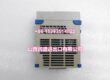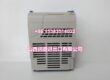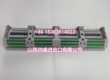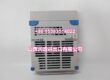
Component Snapshot At-a-Glance
- Model: IS200TCASH1ACB, shorthand TCASH / TCAS
- Alt. P/N: IS200TCASH1A (uncoated base revision, no corrosion protection, different terminal layout, not drop-in for coastal/refinery cabinets)
- Product Series: GE Vernova Speedtronic Mark VI / Mark VIe gas & steam turbine control platform
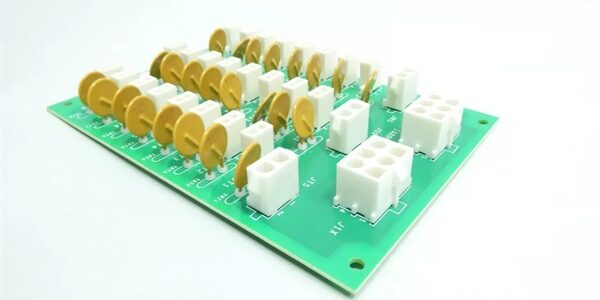
- Hardware Type: Rack slot plug-in analog signal terminal PCB, full Class C conformal coating, dual 68-pin backplane headers
- Key Feature: Integrated 3.2kHz LVDT sine wave excitation generators, 25 multi-type analog input terminals, fused 28V power pass-through for downstream shielding boards
- Primary Field Use: Central analog signal breakout hub routing valve LVDT position, seismic vibration, and 4–20mA transmitter signals to BCAA/BCAB analog processing boards; distributes LVDT excitation to field valve position sensors
Hard-Numbers: Technical Specifications
- Protocol Support: Mark VIe proprietary Corebus parallel backplane bus, no third-party fieldbus stack
- Port Count: P1/P2 dual 68-pin backplane headers, P4 JGPA shielding board power tap, P5 28V main power input, pluggable field terminal blocks for 25 analog channels
- Baud/Data Rate: Corebus backplane 100Mbps parallel signaling, fixed 100ms analog sampling interval
- Operating Temperature: -30°C to +65°C cabinet operational; -40°C to +85°C storage, non-condensing 5–95% RH
- Isolation Rating: 1500VDC galvanic isolation between field analog circuits and digital Corebus backplane domain
- Power Draw: Max 2.7W continuous at 28VDC, fed from fused IS200JPDHG1AAA distribution channels
- LVDT Excitation Spec: 6 independent 3.2kHz, 7.07V RMS sine wave excitation output pairs
- Analog Input Compatibility: 4–20mA transmitters, seismic vibration probes, LVDT secondary feedback signals
- Max Field Lead Resistance: 15Ω per analog sensor run
- Coating Rating: Class C acrylic conformal coating, salt spray and hydrocarbon mist resistant
- Certifications: Class I Div 2 Zone 2, UL, CE, T4 hazardous area temperature rating
- Cooling: Passive convection, no onboard fans
- Physical Weight: 0.91kg, standard Mark VIe large single-slot Eurocard form factor
The Real-World Problem It Solves
Uncoated IS200TCASH1A base boards degrade fast in coastal, refinery, or offshore turbine enclosures. Salt fog eats away PCB traces and terminal pins, creating intermittent valve LVDT position drift that triggers unstable governor control and load swings.Splitting LVDT excitation, vibration, and 4–20mA wiring across multiple separate terminal boards adds dozens of vibration-prone loose terminals; this single TCASH board consolidates all high-priority analog control signals to one rack slot, cutting trip troubleshooting time in half.External discrete LVDT excitation modules add extra power taps and wiring noise; on-board integrated sine wave generators eliminate external hardware and stabilize valve position feedback against VFD EMI interference.Where you’ll typically find it:
- Coastal combined cycle Mark VIe TMR master turbine racks paired with BCAA analog processing cards and 336A4940DNP508TX IONet switches
- Refinery compressor turbine DCS cabinets controlling anti-surge and throttle valve LVDT position loops for SIL-rated machinery protection
- Offshore cogeneration steam turbine control panels powered by redundant 342A4922P28V500DH 28V DC-DC supply modulesThis conformal coated analog hub generates clean LVDT excitation for valve position sensors, isolates all field analog signals from cabinet switching noise, and centralizes vibration/transmitter wiring to eliminate scattered loose terminal fault points.
Hardware Architecture & Under-the-Hood Logic
This terminal board contains analog oscillator, excitation, and signal conditioning circuits; no standalone CPU, it acts as a filtered signal bridge between field sensors and BCAA/BCAB analog processing packs.
- Regulated 28VDC fused power enters P5 header, feeds multi-stage EMI filtering and isolated DC-DC converters that power six independent LVDT sine wave oscillator circuits.
- Six dedicated 3.2kHz oscillator circuits output isolated excitation waveforms to field valve LVDT primary windings; each circuit includes current limiting to prevent short-circuit damage to position sensors.
- Field LVDT secondary feedback, seismic vibration, and 4–20mA analog signals enter pluggable terminal blocks, pass RC low-pass filtering and 1500V isolation transformers to strip VFD and cabinet switching noise.
- P4 auxiliary power tap passes filtered 28V power to JGPA shielding termination boards, providing reference ground for all shielded analog field cable runs.
- Dual P1/P2 68-pin Corebus headers mate to rack backplane, routing conditioned analog measurement signals to BCAA/BCAB processing boards for digitization, governor control, and HMI position/vibration display.
Field Service Pitfalls: What Rookies Get Wrong
Swapping uncoated IS200TCASH1A base revision boards as a direct replacement in corrosive environments
Uncoated copper traces oxidize within 6–12 months in salt fog or hydrocarbon mist cabinets. Oxidation creates open LVDT excitation paths, causing throttle valve position dropout and unplanned turbine load trips.
- Field Rule: Deploy IS200TCASH1ACB exclusively for coastal, refinery, or high-humidity turbine enclosures; reserve IS200TCASH1A only for clean inland indoor control rooms.
Running unshielded LVDT/vibration sensor cable parallel to 480V VFD power wiring
Unshielded field wiring absorbs high-frequency motor switching EMI, distorting LVDT position waveforms and generating constant nuisance vibration high alarms on the turbine HMI.
- Quick Fix: Use double-shielded twisted-pair LVDT/vibration cable; ground shield only at the TCASH cabinet terminal end, leave turbine valve/sensor field end shield floating to eliminate dual-ground loop noise.
Hot-swapping TCASH terminal board while 28V rack power remains energized
Live card removal cuts all LVDT valve position feedback and seismic vibration data instantly, destabilizing governor control and masking active high-vibration mechanical faults that risk turbine hardware damage.
- Field Rule: Lock out the 28VDC breaker feeding the rack’s JPDH distribution card first, wait three full minutes for internal board capacitors to discharge before removing the TCASH module.
Commercial Availability & Pricing Note
Please note: The listed price is for reference only and is not binding. Final pricing and terms are subject to negotiation based on current market conditions and availability.