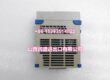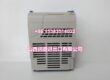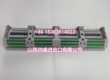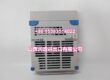
Component Snapshot At-a-Glance
- Model: IS220PTCCH1A, shorthand PTCC
- Alt. P/N: IS220PTCCH1 (base non-A revision, limited diagnostic logic, mismatched cold-junction compensation, not drop-in TMR compatible)
- Product Series: GE Vernova Speedtronic Mark VI / Mark VIe gas & steam turbine control platform
- Hardware Type: Compact rack-mount distributed I/O pack, integrated BPPx local processor, dual IONet Ethernet ports
- Key Feature: 12 fully isolated thermocouple/mV analog input channels, built-in cold junction compensation, open-sensor fault detection per channel
- Primary Field Use: High-density temperature acquisition pack reading turbine exhaust, bearing, casing thermocouples; converts low-level mV sensor signals to digital IONet data for PTUR/PPRO main controllers
Hard-Numbers: Technical Specifications
- Protocol Support: Mark VIe IONet Ethernet, internal BPPx local processing stack, supports E/J/K/S/T thermocouple types, -8~45mV raw mV input
- Port Count: 2 × RJ45 IONet Ethernet ports, internal header mates to TTURH terminal board field wiring
- Baud/Data Rate: 10/100Mbps auto-negotiate IONet, 100ms fixed channel sampling rate
- Operating Temperature: -30°C to +65°C cabinet operational; -40°C to +85°C storage, non-condensing 5–95% RH
- Isolation Rating: 1500VDC channel-to-channel and channel-to-backplane galvanic isolation
- Power Draw: Max 2.8W continuous at 28VDC, fed from IS200JPDHG1AAA fused distribution channels
- Input Channel Count: 12 independent thermocouple/mV inputs, supports grounded/ungrounded thermocouple probes
- Max Cable Resistance: 450Ω per sensor run, up to 300m field wiring distance
- Measurement Accuracy: ±2°C or ±0.25% of reading, integrated cold junction compensation
- Diagnostics: Per-channel open wire detection, CJC fault alarm, link loss, over-range temperature flagging
- Certifications: Class I Div 2 Zone 2, UL, CE, T4 hazardous area temperature rating
- Cooling: Passive convection, no onboard fans
- Physical Weight: 0.41kg, standard Mark VIe distributed I/O pack form factor
The Real-World Problem It Solves
Splitting turbine thermocouple signals across multiple low-channel I/O packs creates dozens of extra IONet network taps. Each extra tap adds packet latency, and single pack faults drop large blocks of critical exhaust and bearing temperature data from the HMI.Unisolated thermocouple input packs pass VFD switching noise into mV sensor lines; distorted readings generate constant nuisance high-temperature alarms that mask real overheat turbine protection events.Base IS220PTCCH1 revision lacks full cold junction compensation calibration and per-channel open wire diagnostics; broken thermocouple leads show flat, false temperature values with no visible fault alarm.Where you’ll typically find it:
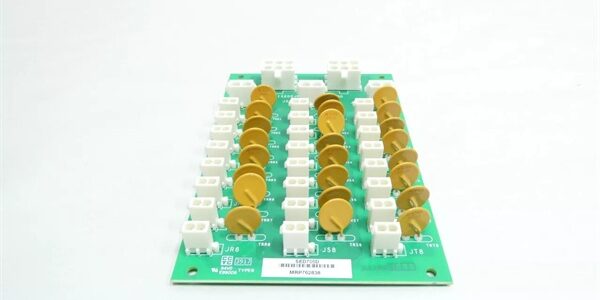
- Combined cycle power plant Mark VIe TMR master racks paired with IS200TTURH1CEC conformal coated terminal breakout boards and 336A4940DNP508TX IONet switches
- Refinery compressor turbine DCS racks monitoring exhaust gas and bearing metal temperatures for SIL-rated machinery protection
- Cogeneration steam turbine control panels fed by redundant 342A4922P28V500DH 28V DC-DC power modulesThis 12-channel isolated thermocouple pack consolidates all turbine temperature sensing into a single I/O device, blocks cross-channel EMI interference, and provides granular per-sensor fault diagnostics to speed trip root-cause troubleshooting.
Hardware Architecture & Under-the-Hood Logic
This distributed I/O pack has an on-board BPPx microprocessor dedicated to analog signal acquisition and IONet data framing; no reliance on main CPU for local temperature conversion.
- Low-level thermocouple mV signals route from TTURH terminal board into pack analog front-end, passing multi-stage RC EMI filtering to strip VFD and cabinet switching noise.
- Independent 1500V isolation transformers separate every input channel to eliminate cross-channel ground loop drift that skews temperature readings across adjacent thermocouple runs.
- Onboard precision cold junction compensation sensor continuously calibrates mV readings against internal PCB ambient temperature, eliminating uncompensated measurement error in fluctuating cabinet heat loads.
- Local BPPx processor digitizes analog temperature values, runs open-wire and over-range fault checks, then packages data into IONet Ethernet frames for transmission to the main PTUR/PPRO controller.
- Dual redundant RJ45 IONet ports support star network topology; automatic failover to the secondary Ethernet link if primary switch port or cable fails, no loss of temperature data during single network path faults.
Field Service Pitfalls: What Rookies Get Wrong
Swapping base IS220PTCCH1 non-A revision packs as a direct replacement
The older base model lacks calibrated cold junction compensation and full TMR fault reporting. Temperature readings drift ±5~10°C during cabinet heat swings, and broken thermocouple wires fail to trigger HMI fault alarms.
- Field Rule: Use full IS220PTCCH1A part number for TMR turbine racks; reserve IS220PTCCH1 only for non-critical auxiliary boiler temperature monitoring panels.
Running unshielded thermocouple extension wire parallel to 480V VFD power cables
Unshielded thermocouple wiring absorbs high-frequency motor switching EMI, creating fluctuating temperature noise that triggers false high-exhaust-temperature turbine protection pre-alarms.
- Quick Fix: Use factory shielded thermocouple extension cable; ground shield only at the TTURH cabinet terminal end, leave turbine probe field end shield floating to avoid dual ground loops.
Hot-swapping PTCC I/O pack while 28V rack power remains energized
Live pack removal cuts all 12 temperature input channels instantly, wiping real-time exhaust and bearing temperature data and masking active overheat conditions that risk turbine hardware damage.
- Field Rule: Lock out the 28VDC breaker feeding the rack’s JPDH distribution card first, wait three full minutes for internal pack capacitors to discharge before removing the PTCC I/O module.
Commercial Availability & Pricing Note
Please note: The listed price is for reference only and is not binding. Final pricing and terms are subject to negotiation based on current market conditions and availability.