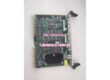
Component Snapshot At-a-Glance
- Model: IS200JPDCG1ABA, functional shorthand JPDC
- Alt. P/N: IS200JPDHG1AAA (high-density 28V secondary distribution only, no AC/125V battery input, cannot replace JPDC main hub)
- Product Series: GE Vernova Speedtronic Mark VI / Mark VIe gas & steam turbine control platform
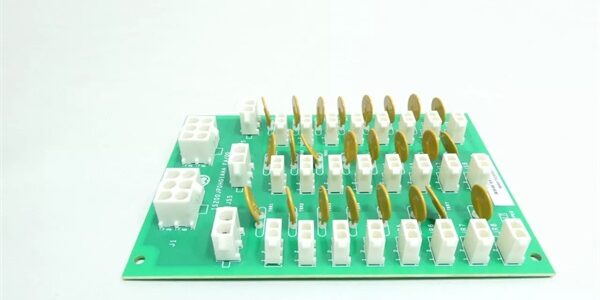
- Hardware Type: Large vertical backpanel-mounted main power PCB, multi-voltage input concentrator, PPDA diagnostic I/O pack mounting interface
- Key Feature: Combines 125VDC battery bus, 115/230VAC mains, and three redundant 28VDC output buses to feed downstream JPDH distribution cards
- Primary Field Use: Central cabinet power junction that receives raw AC/DC plant power and splits regulated 28V control power to all rack-mounted I/O, network switches and controller hardware
Hard-Numbers: Technical Specifications
- Protocol Support: No communication stack; passive power routing with hardwired discrete diagnostic feedback for PPDA monitoring
- Port Count: JD1/JD2 (125VDC battery), JAC (115/230VAC), JZ2 (DACA 125V link), JR/JS/JT (3x 28V output buses), JA1 (PPDA I/O pack header), P2 (fault sense feedback)
- Baud/Data Rate: N/A, non-communication power hardware
- Operating Temperature: -30°C to +70°C cabinet operational; -40°C to +85°C storage, non-condensing 5–95% RH
- Isolation Rating: 2000VDC isolation between high-voltage 125V/AC domains and low-voltage 28V control bus
- Power Draw (Idle): <8W standby consumption, negligible load with no downstream hardware connected
- 125VDC Input Rating: Dual redundant battery inputs, max 19A combined continuous draw
- AC Input Rating: Universal 115/230VAC auto-sensing, 50/60Hz, 10A max input
- 28V Output Capacity: Three parallel independent buses, each rated 17.8A continuous to feed JPDH distribution cards
- Physical Dimensions: 177.8mm W × 518.1mm H × 76.2mm D, weight ~2.0kg
- Mounting: Vertical cabinet backpanel fixed with four corner mounting screws
The Real-World Problem It Solves
Without a central JPDC hub, techs run unfiltered raw 125V battery and AC mains straight to individual JPDH distribution cards. Unisolated high voltage bleeds switching noise into analog vibration/temperature I/O, causing erratic valve control and false turbine protection trips.Separate terminal blocks for AC, 125V DC and 28V power create dozens of loose vibration-prone wiring junctions in turbine cabinets; this single PCB consolidates all primary power terminations into one rigid backpanel assembly.JPDH cards only accept 28V DC and cannot handle raw plant battery or AC mains input; JPDC acts as the single transition point between site high-voltage power and low-voltage control power via 342A4922P28V500DH DC-DC converters.Where you’ll typically find it:
- Combined cycle power plant Mark VIe master turbine cabinets, mounted low on rear backpanel to route power to SR500 series 28V converters and IS200JPDHG1AAA distribution cards
- Refinery compressor turbine DCS racks with dual redundant 125V battery feeds for SIL-rated ESD safety control hardware
- Large cogeneration boiler turbine control panels with both AC UPS backup and DC battery backup power schemesThis multi-voltage central power hub isolates high-voltage plant supply from sensitive 28V control circuits, eliminates scattered loose power terminals, and standardizes power routing for all Mark VIe cabinet layouts.
Hardware Architecture & Under-the-Hood Logic
This board has no on-board microprocessor; it uses heavy copper busbars, multi-stage EMI filtering, and discrete fault sense wiring to route and isolate three separate power domains.
- Dual JD1/JD2 125VDC battery inputs feed shared bulk EMI filtering and TVS surge suppression to absorb battery bus switching spikes and lightning transients.
- JAC AC mains input routes to separate isolated filter stage, physically segregated from DC battery traces to prevent cross-domain leakage current.
- Three independent JR/JS/JT 28V output busbars carry conditioned DC power from external 342A4922P28V500DH converters out to daisy-chained IS200JPDHG1AAA distribution cards.
- JA1 header provides mechanical mounting and hardwired signal taps for a PPDA diagnostic I/O pack, which reads voltage presence and fault contact status from all power domains.
- P2 multi-pin connector aggregates all loss-of-power discrete fault signals to send alarm status back to the main turbine controller for HMI fault logging and trip interlock logic.
Field Service Pitfalls: What Rookies Get Wrong
Swapping IS200JPDHG1AAA JPDH distribution card as a replacement for JPDC
JPDH only handles secondary fused 28V distribution and lacks AC/125V input terminals. Installing it as a main hub cuts all raw plant power entry points, resulting in full cabinet blackout.
- Field Rule: JPDC is the primary cabinet power entry board; JPDH only acts as downstream fused branch distribution, never substitute one for the other.
Mixing unshielded wire for 125V battery and 28V control bus wiring
Unshielded high-voltage DC cabling runs parallel to low-voltage I/O power creates heavy common-mode noise drift on analog turbine vibration signals, triggering unplanned machinery protection trips.
- Quick Fix: Separate 125V/AC wiring harnesses from 28V control harnesses by minimum 15cm vertical clearance; use shielded cable for all low-voltage 28V branch runs.
Hot-disconnecting JPDC wiring with 125V battery breaker still energized
Live unplugging creates high-current DC arcs that burn PCB copper traces on JPDC and blow upstream battery bank fuses, taking the entire turbine control cabinet offline mid-operation.
- Field Rule: Lock out and tag both 125VDC battery breaker and AC UPS breaker before loosening any JPDC power terminal connectors; wait three minutes for bulk capacitors to discharge fully.
Commercial Availability & Pricing Note
Please note: The listed price is for reference only and is not binding. Final pricing and terms are subject to negotiation based on current market conditions and availability.