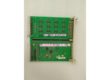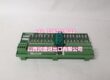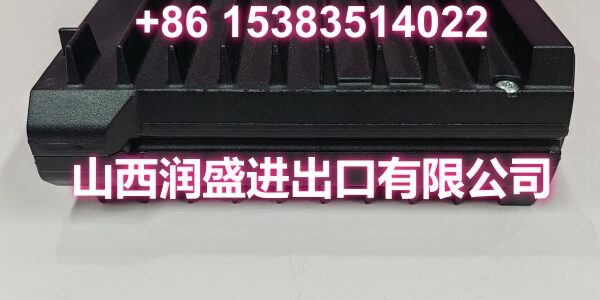
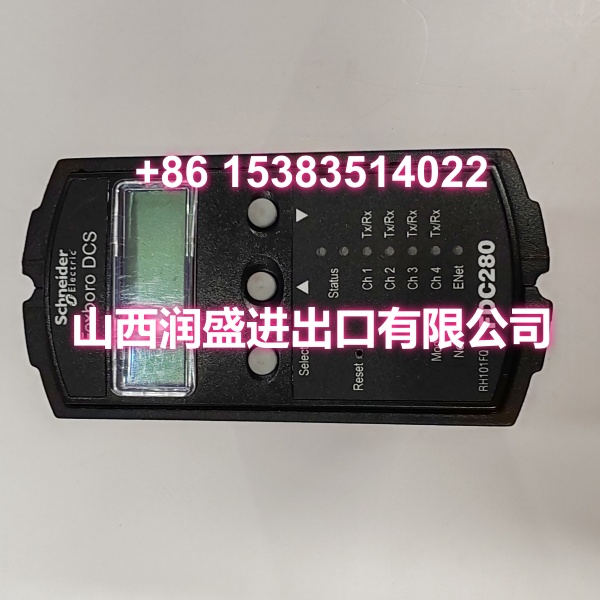
Product Core Brief
- Model: FDC280 RH101FQ
- Brand: Foxboro (Schneider Electric)
- Series: Foxboro I/A Series Distributed Control System
- Core Function: Serves as an I/O controller / interface module linking field instruments to the I/A Series processing and control layer.
- Product Type: DCS I/O controller module
- Key Specs: Redundancy-capable | Proprietary I/A Series bus interface | DIN/rack mounting
- Condition: New Original / New Surplus (condition stated per line item on quotation)
Key Technical Specifications
| Category | Parameter | Value |
|---|---|---|
| Identification | Full Model | |
| Identification | Parent System | Foxboro I/A Series DCS |
| Function | Module Type | I/O controller / interface module |
| Function | Role in Topology | Sits between field instruments and the I/A control processor; no loop logic ownership |
| Architecture | Redundancy | Supports redundant pairing with automatic failover |
| Mounting | Installation | Rack / DIN rail within control cabinet |
| Maintenance | Hot Swap | Configuration-dependent; OEM procedure mandatory |
| Communication | Interface | I/A Series proprietary bus / local I/O network |
| Compatibility | Replacement Rule | Full model, revision, and slot position must match the original |
| Electrical | Supply | Cabinet DC supply, per I/A Series rack specification |
| Environment | Operating Condition | Control cabinet interior; temperature and ventilation limits apply |
| Failure Signature | Common Symptoms | I/O bus error, channel dropout, redundant pair mismatch |
| Supply | Lead Time | In-stock models ship within 48 hours |
Product Introduction
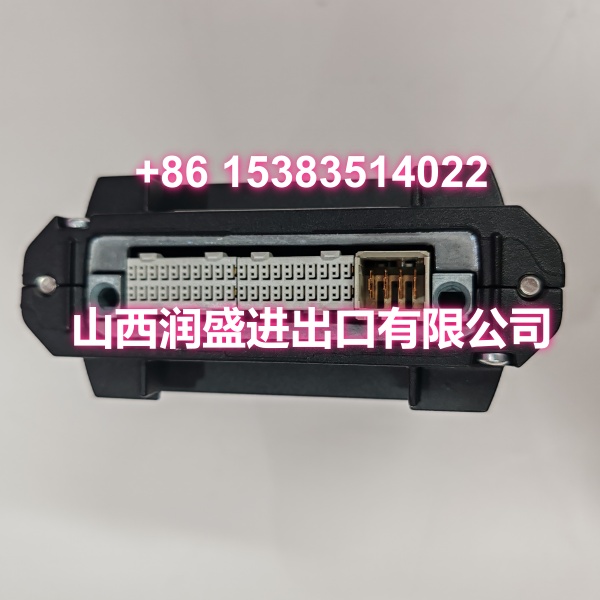
The FDC280 RH101FQ is a Foxboro I/A Series module used in oil and gas, petrochemical, and power generation control systems. It carries field I/O traffic between instruments and the control processor.
Field experience says the failure is rarely the card. It is usually a revision mismatch, a mis-seated connector, or a cabinet environment that already killed the previous unit. Verify the nameplate, the slot, and the firmware before ordering.
QA & Testing SOP
Same sequence for new original and surplus. No shortcuts.
- Inbound verification. Nameplate, PCB revision, and date code photographed and matched against the OEM part number. Boards showing rework or substituted components are rejected at intake.
- Connector and pin inspection. Edge connectors and pins examined under magnification for oxidation, bending, or solder bridging — the leading cause of intermittent I/O bus errors on used stock.
- Bench power-up. Powered via current-limited supply; quiescent current logged and compared to the OEM baseline.
- Channel exercise. Where the platform permits, I/O channels exercised with calibrated signal injection and a Fluke multimeter on readback. Every channel toggled, not sampled.
- Anti-static packaging. Moisture-barrier bag, desiccant, ESD label. Signed test record packed with the unit.
Installation Pitfalls & Guide
❗ Revision mismatch. Mechanically compatible modules can still fail the I/A Series bus handshake. Confirm the revision printed on the PCB, not the shipping carton.
❗ Redundant pair mismatch. Replacing only one module of a redundant pair with a different revision can block failover. Replace and verify both sides.
❗ Connector mis-seating. An edge connector that is 1 mm short of full travel powers up, alarms intermittently, and gets blamed on the card.
❗ Cabinet environment. Dust, humidity, or degraded ventilation will destroy the replacement on the same timeline as the original. Correct the enclosure condition during the outage.
Replacement sequence:
- Pre-install — Confirm safe process state, apply lockout/tagout, photograph nameplate and slot position.
- Removal — Release retention fully, extract straight, never pry against the connector.
- Install — Seat fully into the connector, engage retention, confirm no visible gap.
- Power-on test — Clear bus alarms, verify channel communication, test redundant failover, and complete a loop check before returning to service.
Technical FAQ
Can I substitute a similar FDC280 suffix if the exact one is unavailable? Only after engineering review. Suffix and revision differences can change function definition or bus behavior, and a mismatch may pass power-up yet fail during a control demand.
Is hot swap supported? It depends on the I/A Series configuration and slot assignment. In redundant setups some modules tolerate removal without stopping the controller, but skipping the OEM procedure can silently drop redundancy.
Why does the replacement module show an I/O bus error after install? Most often it is not the card. Check connector seating, backplane pin condition, revision match, and the status of the redundant partner module.
What warranty applies? New original stock carries standard coverage as stated on the quotation. Surplus units carry a shorter, disclosed term confirmed before payment.
Is the I/A Series still supported? Support has transitioned within Schneider Electric’s portfolio, and availability increasingly depends on channel inventory rather than direct production. That makes condition disclosure and lead-time confirmation more decisive than unit price on this part.