Product Core Brief
- Model: KUC720AE01 (3BHB000652R0001 / 3BHB003431R0001 family)
- Brand: ABB
- Series: ABB industrial excitation & control system boards
- Core Function: Excitation and control PCB for generator/motor excitation regulation in ABB excitation systems.
- Product Type: Excitation & Control PCB board
- Key Specs: Material no. 3BHB000652R0001 | Board marking KUC720AE01 | Typical operating temp. 0–60 °C (subject to OEM manual)
- Condition: New Original / New Surplus (subject to stock)
Key Technical Specifications
- Material number: 3BHB000652R0001 (also referenced under 3BHB003431R0001 family)
- Board marking:
- Product type: Excitation & Control PCB
- Primary application: Generator/motor excitation control and voltage regulation
- Control object: Synchronous generators, large motor excitation systems
- Typical input signals: Voltage feedback, current feedback, speed/rotor signals
- Typical output signals: Excitation control output (0–10 V / 4–20 mA, configuration-dependent)
- Operating temperature: 0 °C to 60 °C (confirm against original OEM documentation)
- Storage temperature: -20 °C to 85 °C
- Humidity: 5 % to 95 % RH, non-condensing
- Installation: Standard slot installation in ABB excitation system racks
- Obsolescence status: Obsolete; supplied through surplus/refurbished channels
Product Introduction (No Fluff)
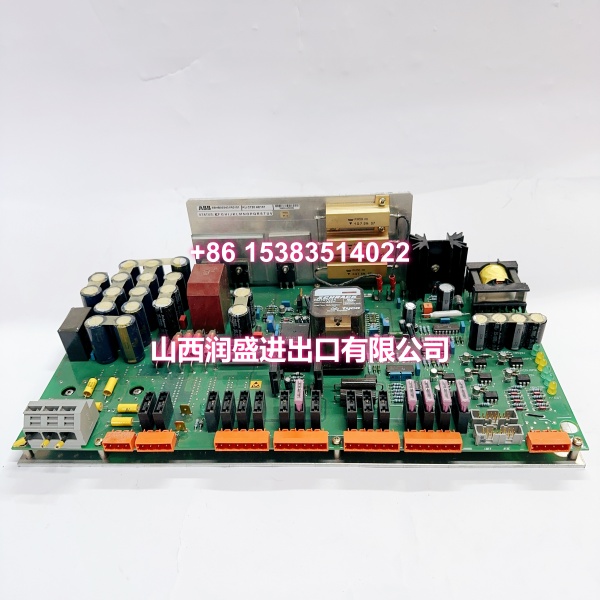
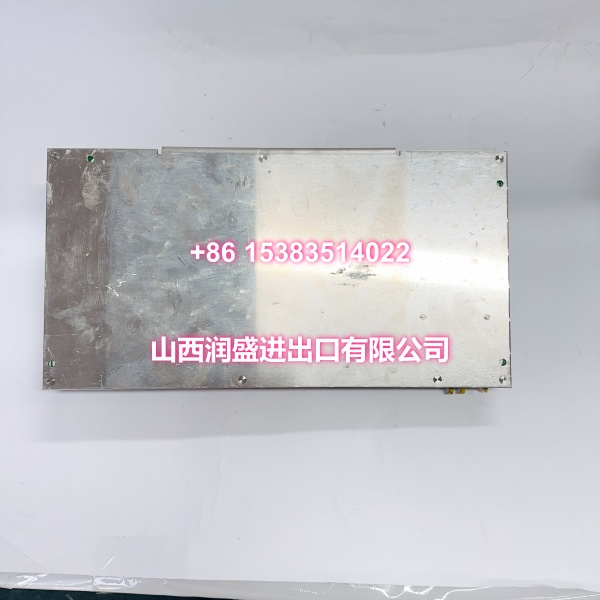
The ABB KUC720AE01 (3BHB000652R0001) is an excitation and control PCB used in ABB generator excitation systems. It regulates excitation current and terminal voltage for synchronous generators and large motors, helping prevent under-excitation, over-excitation, and unstable voltage output.
Because this is an obsolete board, the replacement decision is less about marketing claims and more about identity control. Always match both the board marking KUC720AE01 and the material number 3BHB000652R0001 against the cabinet BOM before installation.
QA & Testing SOP (Dynamic & Transparent)
Excitation boards sit between control logic and high-power thyristor/rectifier stages, so testing must cover identity, insulation, power-up behavior, and signal integrity.
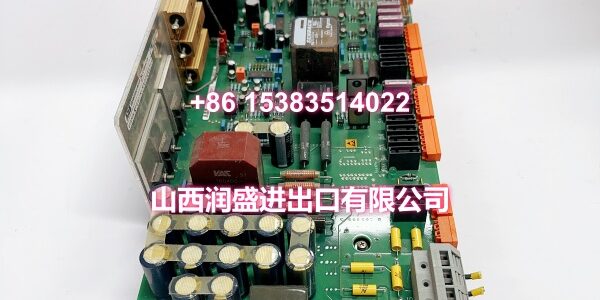
- Identity verification: Confirm KUC720AE01 board marking and 3BHB000652R0001 material number. Check revision suffixes, connector layout, and LED indicators against reference photos.
- Visual & mechanical inspection: Inspect for burnt power components, cracked solder joints, swollen capacitors, corroded edge connectors, and bent backplane pins. Excitation cabinets can run hot; thermal damage is a common failure mode.
- ESD-safe handling: Pack and handle in anti-static bags. Do not place the board on ungrounded metal surfaces or near live excitation terminals during inspection.
- Bench power-up test: If a compatible OEM test rack is available, perform a controlled power-up to verify LED status, basic initialization, and absence of immediate fault codes. Do not apply full excitation voltage on the bench.
- Signal-path check: Verify low-voltage feedback paths (voltage/current sensing) and control output behavior before returning the board to service. Full closed-loop validation should be done under supervised cabinet commissioning.
Installation Pitfalls & Guide (Engineer to Engineer)
❗ Do not hot-swap this board unless the OEM manual explicitly permits it. Excitation systems often carry dangerous DC bus and field voltages.
❗ Match both identifiers. KUC720AE01 and 3BHB000652R0001 must agree with the original BOM. Some references also cite 3BHB003431R0001; treat that as a related family number and confirm before substitution.
❗ Check field wiring and feedback signals first. A failed excitation board is sometimes a symptom, not the root cause. Bad VT/CT feedback, loose terminals, or thyristor bridge faults can destroy a replacement quickly.
❗ Verify grounding and slot contacts. Poor backplane contact or cabinet grounding issues can create intermittent regulation faults that look like board failure.
Replacement steps:
- Pre-install: Lock out/tag out excitation power, discharge field circuits per OEM procedure, photograph wiring, and prepare ESD protection.
- Removal: Label all connectors, remove the board straight out of the slot, and inspect the backplane contacts.
- Install: Seat the replacement board firmly, reconnect labeled wiring, and verify mechanical retention.
- Commissioning: Restore auxiliary power first, check LEDs/fault codes, then perform supervised excitation tests with protection enabled.
Technical FAQ
1. Is the KUC720AE01 still available new from ABB?
It is generally treated as an obsolete/legacy excitation PCB. Most supply now comes from new surplus, unused old stock, or refurbished inventory.
2. Can I use 3BHB003431R0001 instead of 3BHB000652R0001?
Not without confirmation. Both numbers appear in connection with KUC720AE01, but they may represent different revisions or sub-variants. Always verify against the original cabinet BOM and OEM documentation.
3. What warranty is typical for this board?
Twelve months is common in the surplus/aftermarket industrial board market. Exact terms depend on condition and supplier policy.
4. Can this board be used in non-excitation applications?
It is designed for excitation and control tasks in ABB excitation systems. Using it outside that context risks firmware, pinout, and configuration mismatches.
5. What should I check before installing a replacement?
Confirm the cabinet model, board position, material number, board marking, firmware dependencies, and feedback wiring. For excitation systems, never commission blind—uncontrolled field voltage can damage both the generator and the new board.